Oxymeria Mouthwash: Uses, Dosage, Side Effects, and Price in Egypt
What is Oxymeria and what does it contain
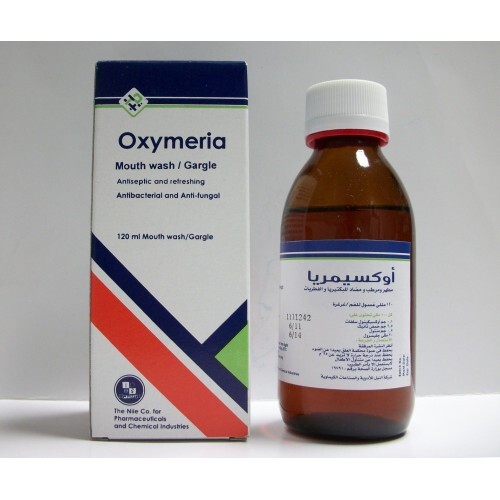
Oxymeria is a medicated mouthwash and gargle supplied as a 120 ml liquid bottle. The listed active ingredient for Oxymeria mouthwash 120 ml on Vezeeta is oxyquinol. Local medicine references also describe Oxymeria as a formula containing 8-quinolinol, menthol, and tannins. These ingredients are used for local oral antiseptic, refreshing, and mild astringent effects.
Oxymeria is not an antibiotic tablet and it should not be swallowed. Its role is local cleansing and reducing oral microbial load when used correctly with brushing, flossing, and dental care. If pain, swelling, pus, fever, or bleeding is present, the cause should be assessed rather than only masking symptoms with a rinse.
| FeatureDetails | |
| Brand | Oxymeria |
| Active ingredient | Oxyquinol / 8-quinolinol with menthol and tannins in the local formula |
| Strength discussed | 120 ml bottle; local formula reported as 0.1 g 8-quinolinol, 0.5 g menthol, and 2.5 g tannins per 100 ml |
| Form | Mouthwash and gargle liquid |
| Main use | Oral and throat antiseptic rinse for mouth, gum, and throat hygiene |
What is Oxymeria used for
Oxymeria may be used as a mouthwash or gargle in situations where a local antiseptic oral rinse is needed. Common uses include mouth inflammation, gum irritation, sore throat gargling, pharyngeal irritation, and oral hygiene support when bad breath is related to oral bacteria.
It may also be used before or after dental procedures if recommended by a dentist, for example after tooth extraction or gum treatment. If you have persistent gum bleeding, swelling, pus, tooth pain, fever, or repeated mouth ulcers, a mouthwash alone is not enough. You may need examination by a dentist on Vezeeta.
For bad breath, Oxymeria may temporarily freshen the mouth, but lasting treatment depends on finding the cause. Plaque, tartar, gum disease, dental decay, dry mouth, smoking, sinus problems, tonsil stones, reflux, or diabetes can contribute. You can read more in Vezeeta’s article on bad breath causes and treatment.
Oxymeria dosage and how to use it
The commonly recommended adult dose is 5 to 10 ml diluted in a cup of water, used up to three times daily, unless your dentist or pharmacist gives different instructions. Rinse or gargle for at least 30 seconds, then spit it out. Do not swallow the solution.
Use a measuring cup or spoon rather than guessing the amount. Avoid contact with the eyes. If it gets into the eye, rinse with plenty of clean water. Keep the bottle tightly closed and store it below 25°C, away from direct sunlight and humidity.
Should Oxymeria be taken before or after food?
Oxymeria can usually be used after meals and after brushing, because this helps the rinse stay in contact with a cleaner mouth. Avoid eating, drinking, or rinsing with plain water immediately afterward unless your dentist advises otherwise.
What should you do after a missed dose?
If you forget a dose, use it when you remember if it is still appropriate. If it is almost time for the next scheduled use, skip the missed dose. Do not use a double amount to make up for a missed rinse.
How long does Oxymeria take to work
The refreshing effect may be noticed immediately because of the menthol component. Local cleansing starts during rinsing, but gum inflammation, mouth irritation, and bad breath may take several days to improve depending on the cause. If symptoms continue for more than a few days, return repeatedly, or worsen, dental assessment is important.
What are the side effects of Oxymeria
Oxymeria is usually tolerated when diluted and used as directed. Possible side effects include temporary mouth burning, tingling, bitter taste, dryness, irritation, oral discomfort, nausea if swallowed, or allergic reaction in sensitive people. Overuse may irritate the lining of the mouth rather than help it.
Which symptoms need urgent care?
Stop using Oxymeria and seek urgent medical advice if you develop swelling of the lips, tongue, face, or throat; difficulty breathing; widespread rash; severe mouth burning; eye exposure with persistent pain; accidental swallowing of a large amount; fever with mouth swelling; or pus around the gums.
Contraindications and precautions
Do not use Oxymeria if you are allergic to oxyquinol, menthol, tannins, or any component in the bottle. Use it only as a mouth rinse or gargle. It is not for eye use, injection, or swallowing.
Ask a dentist or pharmacist first if the user is a young child, pregnant, breastfeeding, has severe mouth ulcers, has unexplained bleeding, recently had oral surgery, or has a history of allergy to medicated mouthwashes. Children should use mouthwashes only if they can reliably spit them out and only under adult supervision.
Oxymeria drug interactions
Because Oxymeria is used locally and spat out, clinically important drug interactions are not commonly expected. Still, tell your dentist or pharmacist about other oral products you use, including chlorhexidine mouthwash, iodine gargles, peroxide rinses, topical oral gels, antibiotics, antifungals, herbal rinses, and alcohol-containing products.
Do not combine several antiseptic mouthwashes at the same time unless advised, because this may increase mouth irritation or dryness. Leave a time gap between different oral products if your dentist prescribes more than one.
Oxymeria during pregnancy and breastfeeding
During pregnancy or breastfeeding, use Oxymeria only after advice from a healthcare professional. Local rinses have limited systemic absorption when spat out, but accidental swallowing and unnecessary repeated use should be avoided. Pregnant or breastfeeding women with gum bleeding, dental infection, or sore throat should be assessed rather than relying on mouthwash alone.
Can Oxymeria be taken every day and long term
Oxymeria may be used for a short course or as directed by a dentist. Daily long-term use without diagnosis is not ideal, especially if symptoms are persistent. Ongoing bad breath, gum bleeding, pain, ulcers, or swelling may indicate tartar accumulation, gum disease, dental decay, fungal infection, trauma, or another condition needing targeted treatment.
What are the alternatives to Oxymeria
Alternatives depend on the reason for use. Options may include saline mouth rinses, chlorhexidine mouthwash, hydrogen peroxide mouthwash, povidone-iodine gargle, fluoride mouth rinses, antifungal oral treatments, or dentist-prescribed gels. These are not automatically interchangeable. Chlorhexidine, for example, may stain teeth with prolonged use and should be used as directed.
For gum inflammation, professional cleaning and plaque control are often more important than changing mouthwash. Vezeeta’s article on gingivitis treatment explains why diagnosis and daily oral care matter.
Oxymeria price in Egypt
The price of Oxymeria mouthwash in Egypt may change according to availability, pharmacy pricing, and promotions. For the current online pharmacy listing and product details, check the verified Oxymeria 120 ml page on Vezeeta Pharmacy.
Frequently asked questions
Is Oxymeria an antibiotic?
No. Oxymeria is a local antiseptic mouthwash and gargle. It does not replace antibiotic tablets or dental treatment when there is a deep infection, abscess, fever, or spreading swelling.
Can Oxymeria treat gum inflammation?
It may help reduce oral microbes and freshen the mouth, but gum inflammation usually needs plaque control, brushing, flossing, and sometimes professional tartar removal.
Can Oxymeria be used after tooth extraction?
Use it after extraction only if your dentist recommends it. Rinsing too vigorously soon after extraction may disturb the clot, so follow the timing and method given by your dentist.
Does Oxymeria remove bad breath permanently?
It may temporarily reduce odor, but permanent improvement requires treating the cause, such as tartar, gum disease, decay, dry mouth, smoking, sinus disease, or digestive problems.
Should Oxymeria be diluted?
Yes. The usual method is to dilute 5 to 10 ml in a cup of water before rinsing or gargling, unless the pharmacist or dentist gives a different instruction.
Can Oxymeria be swallowed?
No. It should be spat out after rinsing. If a large amount is swallowed accidentally, contact a doctor, pharmacist, or poison information service.
Can children use Oxymeria?
Children should use it only if recommended and only when they can spit out the rinse safely. Adult supervision is important.
Can I use Oxymeria with chlorhexidine?
Do not combine mouthwashes routinely unless a dentist advises it. Using several antiseptic rinses together may increase irritation.
Does Oxymeria whiten teeth?
No. Oxymeria is not a tooth-whitening product. If staining or yellowing is present, dental cleaning or supervised whitening may be needed.
How many days should I use Oxymeria?
Use it for the duration advised by your dentist or pharmacist. If symptoms persist, worsen, or return repeatedly, seek dental evaluation.
Can Oxymeria help mouth ulcers?
It may help oral hygiene around minor irritation, but recurrent, large, very painful, bleeding, or long-lasting ulcers need medical or dental assessment.
Does Oxymeria cause sleepiness or weight changes?
No. Oxymeria is a local mouthwash and is not expected to cause sleepiness, weight gain, or weight loss when used correctly and spat out.
Medical disclaimer
The information in this article is provided for general health education and does not replace medical advice from a doctor or pharmacist. Do not start, stop, or change the dose of any medication without consulting a qualified healthcare professional.
Specialized Doctors

ToothMate Dental
Dr. Mohamed Seleem ElAbd

Ahmed Mansour
Consultant of Endodontics and Cosmetic Dentistry - Member of The Royal Surgeons Collage -Edinburgh

Fady Mamdouh
Dental Implant and Cosmetic Specialist - Ain Shams University
Specialized Doctors
ToothMate Dental
Dr. Mohamed Seleem ElAbd
Ahmed Mansour
Consultant of Endodontics and Cosmetic Dentistry - Member of The Royal Surgeons Collage -Edinburgh
Fady Mamdouh
Dental Implant and Cosmetic Specialist - Ain Shams University