Oxigrex 300 mg: Uses, Dosage, Side Effects and Precautions
What is Oxigrex and what does it contain
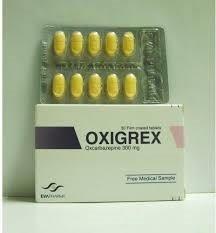
Oxigrex is a brand of oxcarbazepine, an anticonvulsant or antiseizure medicine. It helps reduce abnormal nerve signals in the brain and is used mainly for focal seizures, also called partial-onset seizures. The product discussed here is Oxigrex 300 mg 30 tablets on Vezeeta. Treatment decisions should always depend on the doctor’s diagnosis and the approved medicine leaflet.
| FeatureDetails | |
| Brand | Oxigrex |
| Active ingredient | Oxcarbazepine |
| Strength discussed | 300 mg |
| Form | Tablet |
| Main use | Control of focal seizures |
What is Oxigrex used for
Oxigrex is mainly used to treat focal seizures in epilepsy. It may be used alone or as add-on therapy with other antiepileptic medicines. The choice depends on seizure pattern, age, previous treatment, other medicines, kidney function and side-effect tolerance.
Some doctors may use oxcarbazepine in selected cases of trigeminal neuralgia, but it is not a general painkiller and should not be used for headache, anxiety, sleep problems or facial pain without a clear diagnosis. If you have seizures, fainting episodes, electric-shock facial pain or unexplained neurological symptoms, you can book a neurologist on Vezeeta for proper assessment.
Oxigrex dosage and how to use it
The dose of Oxigrex is individualized. For immediate-release oxcarbazepine tablets in adults, treatment often starts at 300 mg twice daily, then increases gradually according to seizure control and tolerability. Maintenance doses vary widely, and the maximum dose must be decided by the treating doctor.
Children need weight-based dosing. Older adults and people with kidney disease may need lower starting doses or slower increases. Do not compare your dose with another patient’s dose, because epilepsy treatment is tailored to seizure type, test results, age, pregnancy plans and other medicines.
Swallow the tablet with water and take it at the same times each day. Immediate-release oxcarbazepine tablets can usually be taken with or without food; taking them after food may reduce stomach upset. Do not crush, split or switch formulations unless your pharmacist or doctor confirms it is suitable. If you miss a dose, take it when remembered unless the next dose is near. Do not double doses.
How long does Oxigrex take to work
Oxcarbazepine starts being absorbed after dosing, but seizure control is assessed over days to weeks. The dose is usually increased gradually to limit dizziness, sleepiness, nausea and coordination problems. Some patients improve after reaching an effective dose, while others need adjustment or another medicine.
Oxcarbazepine is converted in the body to an active metabolite called MHD, which is responsible for most of its antiseizure effect. For this reason, treatment should not be judged after one or two doses unless serious side effects occur. A seizure diary and follow-up visits help the doctor decide whether the dose is working.
What are the side effects of Oxigrex
Common side effects may include dizziness, drowsiness, tiredness, headache, nausea, vomiting, abdominal discomfort, blurred or double vision, tremor, unsteady walking and poor coordination. These are more likely when treatment starts or after dose increases.
Oxcarbazepine may lower blood sodium, especially in older adults, people taking diuretics or patients using other medicines that affect sodium. Symptoms may include unusual tiredness, confusion, headache, nausea, severe sleepiness or worsening seizures.
Less common but serious reactions include severe rash, Stevens-Johnson syndrome, toxic epidermal necrolysis, allergic swelling, multi-organ hypersensitivity, blood cell abnormalities, liver symptoms and suicidal thoughts or unusual mood changes. Seek urgent care for facial or throat swelling, breathing difficulty, widespread rash, skin peeling, mouth ulcers, fever with rash, severe confusion, repeated vomiting, fainting, yellow skin or eyes, self-harm thoughts or a major increase in seizures.
Contraindications and precautions
Do not take Oxigrex if you have had an allergic reaction to oxcarbazepine or eslicarbazepine. Tell your doctor if you have ever had allergy to carbamazepine, because cross-sensitivity can occur.
Use extra caution if you have kidney disease, liver disease, low sodium, mood disorder, suicidal thoughts, previous severe rash with epilepsy medicines, unsteady gait, or if you drink alcohol. People from genetic groups at higher risk of severe skin reactions may need special assessment before treatment. Oxigrex can cause dizziness and drowsiness, so avoid driving or operating machinery until you know how it affects you.
Never stop Oxigrex suddenly unless a doctor tells you to do so. Abrupt discontinuation can trigger more frequent or more severe seizures. If stopping is needed, the dose is usually reduced gradually.
Oxigrex drug interactions
Important interactions include other antiepileptic medicines such as carbamazepine, phenytoin and phenobarbital, which may affect oxcarbazepine levels or be affected by it. Rifampin and other enzyme-inducing medicines may reduce the active metabolite level and weaken seizure control.
Oxcarbazepine can make hormonal contraceptives less effective. Women using pills, patches, implants or other hormonal methods should ask about an additional non-hormonal contraceptive method. Alcohol, sleeping tablets, sedating antihistamines, opioid pain medicines and some anxiety medicines can increase drowsiness and dizziness.
Always give your doctor and pharmacist a complete list of prescription medicines, over-the-counter products, herbal supplements and contraceptives before starting Oxigrex.
Oxigrex during pregnancy and breastfeeding
Do not start or stop Oxigrex during pregnancy without specialist advice. Uncontrolled seizures can harm both mother and baby, but antiepileptic medicines may also carry fetal risks. Planning pregnancy allows the doctor to review the safest effective regimen, folic acid needs, monitoring and follow-up.
During pregnancy, MHD levels may decrease, which can reduce seizure control; dose monitoring may be needed during pregnancy and after delivery. Oxcarbazepine and MHD pass into breast milk. Breastfeeding decisions should be individualized, with monitoring for infant sleepiness, poor feeding, poor weight gain or rash when breastfeeding continues.
Can Oxigrex be taken every day and long term
Yes, Oxigrex is often taken every day as a long-term medicine for epilepsy when prescribed by a neurologist. Long-term treatment needs periodic review to confirm benefit, check side effects, monitor sodium when needed and review interactions with any new medicine.
If seizures have been controlled for a long time, stopping may still not be appropriate for every patient. How to stop taking oxcarbazepine or how to wean off oxcarbazepine must be planned by a doctor. Gradual tapering helps reduce the risk of rebound seizures.
The time oxcarbazepine stays in the system varies with dose, kidney function, age and duration of use. Clinical decisions such as stopping, driving or switching treatment should not be based only on an estimated number of hours.
What are the alternatives to Oxigrex
Alternatives may include carbamazepine, levetiracetam, lamotrigine, valproate, topiramate, lacosamide or other antiepileptic medicines, depending on seizure type, age, pregnancy plans, side effects, cost and interactions. These medicines are not automatically interchangeable.
Do not replace Oxigrex with another medicine on your own. A neurologist should choose the alternative and design the switching schedule, because overlapping or stopping antiseizure medicines incorrectly can increase seizure risk.
Oxigrex price in Egypt
The price of Oxigrex 300 mg in Egypt may change according to availability, pharmacy pricing updates and offers. To check the current price and availability, visit the verified Oxigrex 300 mg product page on Vezeeta or ask a licensed pharmacist.
Frequently asked questions
What is oxcarbazepine 300 mg?
Oxcarbazepine 300 mg is a tablet strength of an antiseizure medicine. In Oxigrex, each tablet contains 300 mg oxcarbazepine.
What is oxcarbazepine used for?
It is mainly used to control focal seizures in epilepsy, either alone or with other antiepileptic medicines.
How does oxcarbazepine work?
It helps stabilize abnormal electrical activity in the brain, mainly through its active metabolite, reducing seizure spread.
How long does oxcarbazepine take to work?
Absorption begins after dosing, but meaningful seizure-control assessment usually takes days to weeks as the dose is adjusted.
What drugs interact with oxcarbazepine?
Important interactions include carbamazepine, phenytoin, phenobarbital, rifampin, hormonal contraceptives, alcohol and sedating medicines.
How to stop taking oxcarbazepine?
Do not stop suddenly. A doctor usually lowers the dose gradually to reduce the risk of increased seizures.
How to wean off oxcarbazepine?
Tapering schedules vary according to seizure history, current dose, other medicines and recurrence risk, so the doctor must plan it.
How long does oxcarbazepine stay in your system?
It varies by dose, kidney function and patient factors. The active metabolite is eliminated mainly through the kidneys.
How much oxcarbazepine is an overdose?
Any amount above the prescribed dose may be unsafe. Severe sleepiness, vomiting, confusion, breathing problems or seizures need urgent care.
Does Oxigrex cause sleepiness?
Yes, drowsiness and dizziness can occur, especially when starting treatment or increasing the dose.
Can Oxigrex be used for trigeminal neuralgia?
Some specialists may use oxcarbazepine for trigeminal neuralgia, but only after diagnosis and under supervision.
Can Oxigrex be taken with alcohol?
Alcohol can increase dizziness and sleepiness and may affect seizure control, so it is best avoided unless your doctor advises otherwise.
Medical disclaimer
The information in this article is provided for general health education and does not replace medical advice from a doctor or pharmacist. Do not start, stop, or change the dose of any medication without consulting a qualified healthcare professional.
Specialized Doctors



Specialized Doctors