Oxfresh Mouthwash 240 ml: Uses, How to Use, Side Effects and Price
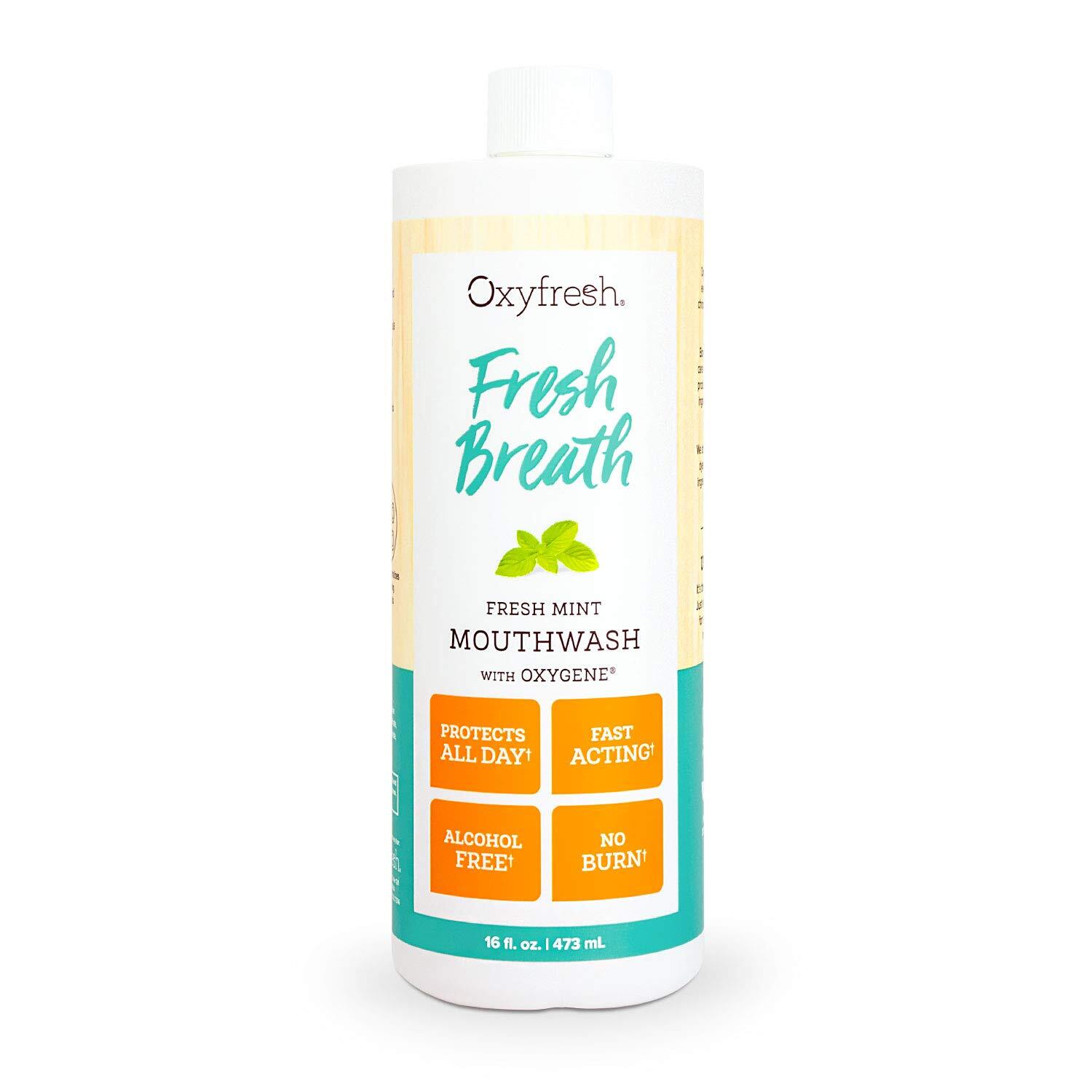
What is Oxfresh and what does it contain
Oxfresh is a 240 ml mouthwash bottle used for rinsing the mouth. It is best treated as an oral hygiene product unless the bottle or leaflet states a specific medicinal ingredient. The public product listing describes it as a liquid mouthwash, but it does not show a confirmed active ingredient or medicinal strength.
If your own bottle lists chlorhexidine, fluoride, hydrogen peroxide, essential oils, alcohol, or another active ingredient, follow the leaflet or your dentist’s instructions because directions and precautions can differ.
| FeatureDetails | |
| Brand | Oxfresh |
| Active ingredient | Not confirmed on the verified Vezeeta product page |
| Strength discussed | 240 ml pack size; no medicinal strength verified |
| Form | Mouthwash / oral rinse liquid |
| Main use | Oral hygiene, breath freshness, and supportive gum care |
You can review Oxfresh Mouth Wash 240 ML on Vezeeta for current product availability.
What is Oxfresh used for
Oxfresh may be used as part of a daily oral care routine to rinse the mouth, help freshen breath, and support gum cleanliness. It may be used after meals, after brushing, or at another time recommended by your dentist.
Mouthwash can support dental care, but it cannot remove hard tartar, fill cavities, treat an abscess, or replace brushing with fluoride toothpaste and cleaning between teeth. If you have persistent bad breath, bleeding gums, gum swelling, tooth pain, pus, mouth ulcers, or loose teeth, book a dental assessment rather than relying on mouthwash alone. You can book a dentist on Vezeeta. You may also read patient discussions about gum inflammation on Vezeeta.
Oxfresh dosage and how to use it
Use Oxfresh exactly as written on the label or as directed by your dentist. Because no medicinal ingredient is confirmed on the product listing, do not use it as a prescription-strength antiseptic unless a dentist or pharmacist has confirmed that this is appropriate.
- Measure only the amount recommended on the cap or leaflet.
- Swish the liquid around the mouth for the recommended time.
- Spit it out completely; do not swallow it.
- Do not exceed the advised number of daily uses.
- Keep the bottle tightly closed and away from children.
Before or after food
Many mouthwashes are used after brushing or after meals, but timing depends on the ingredient. A chlorhexidine rinse may need spacing from toothpaste. A fluoride rinse may be recommended at a separate time from brushing to keep fluoride on the teeth for longer.
Missed dose
If you miss a routine use, skip it and continue at the next usual time. Do not double the amount.
How long does Oxfresh take to work
A fresher mouth feeling may appear soon after rinsing. Improvement in gum bleeding or irritation depends on the cause. Plaque-related gum inflammation often needs improved brushing, interdental cleaning, and sometimes professional scaling. If symptoms last for more than a few days, worsen, or return frequently, arrange a dental examination.
What are the side effects of Oxfresh
Possible mouthwash side effects include mild burning, stinging, dryness, altered taste, nausea if swallowed, or irritation of the mouth lining. Some medicated antiseptic mouthwashes, especially chlorhexidine products, may cause tooth or tongue staining, increased tartar, and taste changes when used repeatedly or for too long.
Urgent symptoms
Stop using the product and seek urgent medical help if you develop swelling of the lips, tongue, throat, or face, wheezing, breathing difficulty, severe rash, dizziness, severe mouth ulcers, or painful swelling under the jaw.
Contraindications and precautions
Do not use Oxfresh if you have had an allergy to the product or to any ingredient listed on the bottle. Avoid using mouthwash on severe mouth wounds, after dental surgery, or after tooth extraction unless your dentist tells you to. Do not give mouthwash to young children who cannot reliably spit it out.
Ask a dentist before use if you have recurrent ulcers, oral thrush, severe gum bleeding, suspected abscess, braces irritation, implants, or pain after a dental procedure. Alcohol-containing rinses may be unsuitable for children, people with dry mouth or mouth irritation, and anyone advised to avoid alcohol exposure.
Oxfresh drug interactions
Most mouthwashes have limited interaction with swallowed medicines because they are spat out. However, interactions inside the mouth may still matter. Do not combine several antiseptic mouthwashes unless a dentist recommends it. If a rinse contains chlorhexidine, some toothpaste ingredients may reduce its effect, so spacing may be advised. Tell your dentist about oral gels, whitening products, fluoride treatments, braces products, denture cleansers, and ulcer treatments.
Oxfresh during pregnancy and breastfeeding
When a mouthwash is used only for rinsing and then spat out, body exposure is usually low. During pregnancy and breastfeeding, still check the label for alcohol or medicinal antiseptics and ask a dentist or pharmacist before regular use, especially if you have gum bleeding, mouth sores, or recent dental treatment. Avoid swallowing the rinse.
Can Oxfresh be taken every day and long term
Oxfresh should not be swallowed; it is rinsed and spat out. Daily or long-term use depends on the ingredients. Cosmetic breath-freshening mouthwash may be used as directed, while medicated antiseptic rinses should usually be used for limited periods under dental supervision. Long-term unsupervised use may mask dental disease or cause staining, irritation, or taste changes.
What are the alternatives to Oxfresh
Alternatives depend on the reason for use. For gum inflammation, a dentist may recommend scaling and a short course of chlorhexidine. For cavity prevention, fluoride rinses may be suitable for some people. For mild irritation, salt-water rinsing may be advised. For dry mouth, alcohol-free rinses or saliva substitutes may be better. Do not automatically substitute one mouthwash for another after surgery, extraction, ulcers, braces, implants, or gum treatment.
Oxfresh price in Egypt
The price of Oxfresh Mouthwash 240 ml in Egypt can change according to stock, pharmacy pricing, discounts, and delivery area. For current availability and price, check Oxfresh Mouth Wash 240 ML.
Frequently asked questions
Is Oxfresh a medicine or a mouthwash?
It is listed as a liquid mouthwash. The current product listing does not confirm a medicinal active ingredient, so check the bottle leaflet before treating it as a medicated rinse.
Does Oxfresh treat gum infection?
It may support oral hygiene, but infection, swelling, pus, or persistent bleeding needs dental assessment. Mouthwash alone may not remove tartar or treat deep gum disease.
Can Oxfresh remove bad breath permanently?
It may freshen breath temporarily. Persistent bad breath needs checking for plaque, gum disease, cavities, dry mouth, smoking, sinus problems, reflux, or diabetes.
Can I swallow Oxfresh?
No. Rinse and spit it out. If a child swallows a significant amount or develops vomiting, drowsiness, or breathing symptoms, seek medical help.
Can children use Oxfresh?
Only if they are old enough to spit reliably and the label allows it. Ask a dentist or pharmacist before using any mouthwash in children.
Can Oxfresh stain teeth?
The product listing does not confirm the active ingredient. Some antiseptic rinses, especially chlorhexidine products, can stain teeth with repeated use.
Should I rinse with water after Oxfresh?
Follow the label. Some medicated rinses work better if you do not rinse with water immediately afterward.
Can I use Oxfresh with braces?
Many people with braces use mouth rinses, but orthodontic patients should ask their dentist which type is best, especially if ulcers or high cavity risk are present.
Can I use Oxfresh after tooth extraction?
Do not rinse vigorously after extraction unless your dentist tells you to, because strong rinsing may disturb the clot.
Is Oxfresh the same as chlorhexidine mouthwash?
Not necessarily. The Oxfresh listing does not list chlorhexidine. Check your bottle leaflet or ask a pharmacist.
Can Oxfresh replace brushing?
No. Mouthwash is an add-on. Brushing, cleaning between teeth, and dental checkups remain essential.
When should I stop using Oxfresh?
Stop and seek advice if you get allergy symptoms, severe burning, worsening ulcers, swelling, or symptoms that do not improve.
Medical disclaimer
The information in this article is provided for general health education and does not replace medical advice from a doctor or pharmacist. Do not start, stop, or change the dose of any medication without consulting a qualified healthcare professional.
Specialized Doctors
ToothMate Dental
Dr. Mohamed Seleem ElAbd

Ahmed Mansour
Consultant of Endodontics and Cosmetic Dentistry - Member of The Royal Surgeons Collage -Edinburgh

Fady Mamdouh
Dental Implant and Cosmetic Specialist - Ain Shams University
Specialized Doctors
ToothMate Dental
Dr. Mohamed Seleem ElAbd
Ahmed Mansour
Consultant of Endodontics and Cosmetic Dentistry - Member of The Royal Surgeons Collage -Edinburgh
Fady Mamdouh
Dental Implant and Cosmetic Specialist - Ain Shams University