Oxazolid Linezolid Suspension: Uses, Dosage, Side Effects, and Price
What is Oxazolid and what does it contain
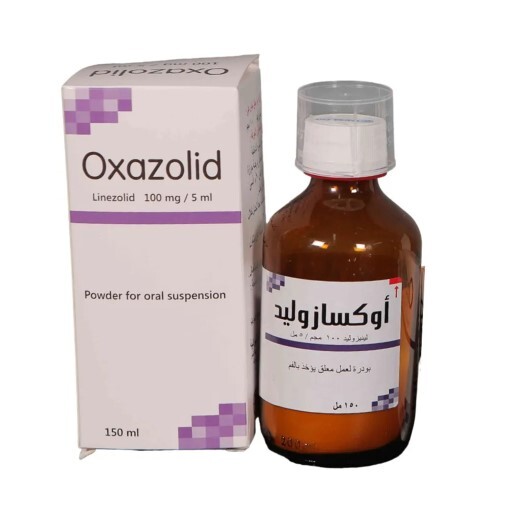
Oxazolid is a brand of linezolid, an antibacterial medicine from the oxazolidinone class. Linezolid helps stop susceptible bacteria from multiplying by blocking bacterial protein production. The product discussed here is Oxazolid 100 mg/5 ml oral suspension, supplied as a 150 ml bottle after preparation.
You can review the verified product page here: Oxazolid 100 mg/5 ml suspension on Vezeeta.
| FeatureDetails | |
| Brand | Oxazolid |
| Active ingredient | Linezolid |
| Strength discussed | 100 mg/5 ml |
| Form | Powder for oral suspension, 150 ml after preparation |
| Main use | Treatment of selected susceptible bacterial infections |
Difference between strengths/variants
Oxazolid may be available as oral suspension and as tablets. The suspension is useful when tablets are difficult to swallow or when a child needs a dose calculated by weight. Do not switch between forms unless the prescriber or pharmacist confirms the equivalent dose.
What is Oxazolid used for
Oxazolid is a prescription antibiotic used for infections caused by susceptible Gram-positive bacteria. Uses of linezolid include hospital-acquired pneumonia, community-acquired pneumonia caused by susceptible organisms, complicated skin and soft tissue infections, some uncomplicated skin infections, and infections caused by vancomycin-resistant Enterococcus faecium.
Oxazolid is not suitable for every fever or infection. It does not treat viral illnesses and is not intended to cover Gram-negative infections unless another suitable antibiotic is added when needed. If symptoms suggest pneumonia, severe skin infection, persistent fever, or a resistant infection, medical assessment is important; you can book an internal medicine doctor for evaluation.
Oxazolid dosage and how to use it
The dose depends on age, weight, infection type, severity, kidney and liver status, and culture results when available. Adults and adolescents with many serious approved infections may be prescribed linezolid 600 mg every 12 hours. For some uncomplicated skin infections, an adult dose of 400 mg every 12 hours may be used. Pediatric dosing is commonly weight-based and must be prescribed for the child’s age and diagnosis.
For Oxazolid 100 mg/5 ml, each 1 ml contains 20 mg of linezolid. A 10 mg/kg dose equals about 0.5 ml/kg per dose, but this is only a calculation example; the exact ml amount, interval, maximum dose, and duration must come from the doctor or pharmacist. Complete the full course even if symptoms improve early.
Before each dose, gently invert the bottle 3 to 5 times to mix the suspension. Use an oral syringe or accurate measuring device, not a kitchen spoon. The medicine may be taken with or without food. If nausea occurs, taking it with a light meal may help.
Foods to avoid
While taking linezolid, avoid large amounts of high-tyramine foods and drinks, such as aged cheeses, cured or fermented meats, soy sauce, yeast extracts, and some tap beers, because they may raise blood pressure.
Missed dose
Take the missed dose when remembered unless it is almost time for the next one. Do not double the dose. If several doses are missed, contact the doctor because irregular antibiotic use can reduce treatment success and encourage resistance.
How long does Oxazolid take to work
Linezolid reaches peak blood levels around 1 to 2 hours after an oral dose, but symptom improvement depends on the infection site, severity, immune status, and whether the bacteria are susceptible. Fever or pain may start improving before the infection is fully cleared, so do not stop early. Contact the doctor if symptoms worsen, breathing becomes difficult, fever continues, or improvement is not as expected.
What are the side effects of Oxazolid
Common side effects may include diarrhea, nausea, vomiting, headache, abdominal discomfort, altered taste, dizziness, rash, and anemia. Some patients may develop changes in blood counts, especially with longer courses, severe illness, kidney problems, or medicines that also affect blood cells.
Less common but serious reactions include severe allergic reaction, severe diarrhea that may suggest Clostridioides difficile infection, low platelets or other blood cell problems, lactic acidosis, seizures, low blood sugar in people using diabetes medicines, low sodium, muscle injury, serotonin syndrome, and nerve or optic nerve problems, particularly when treatment exceeds 28 days.
Urgent symptoms
Seek urgent medical help for face or throat swelling, breathing difficulty, severe rash or peeling skin, persistent or bloody diarrhea, unusual bleeding or bruising, severe weakness, confusion, severe headache with high blood pressure symptoms, vision changes, numbness, seizures, dark urine with muscle pain, or symptoms of serotonin syndrome such as fever, agitation, sweating, tremor, diarrhea, and muscle stiffness.
Contraindications and precautions
Do not use Oxazolid if you are allergic to linezolid or any ingredient in the suspension. It should not be used with monoamine oxidase inhibitors or within 2 weeks of taking them. Extra caution is needed in people with uncontrolled high blood pressure, pheochromocytoma, thyrotoxicosis, seizure history, low blood counts, severe kidney disease, moderate to severe liver impairment, diabetes treated with insulin or oral medicines, or previous neuropathy or vision problems.
Linezolid suspension may contain phenylalanine, which matters for patients with phenylketonuria. Weekly complete blood count monitoring may be needed, particularly if treatment continues beyond 2 weeks or the patient is medically fragile.
Oxazolid drug interactions
Important interactions include antidepressants and other medicines that increase serotonin, such as SSRIs, SNRIs, tricyclic antidepressants, bupropion, mirtazapine, trazodone, buspirone, and some opioids such as meperidine. Combining them may increase the risk of serotonin syndrome and requires specialist judgment and monitoring.
Oxazolid may also interact with decongestants and stimulant-like medicines such as pseudoephedrine, phenylpropanolamine, epinephrine, norepinephrine, dopamine, and dobutamine, causing blood pressure increases. Rifampin, carbamazepine, phenytoin, and phenobarbital may reduce linezolid exposure. Diabetes medicines may increase the risk of low blood sugar. Always give the prescriber a full medication list, including cough medicines and supplements.
Oxazolid during pregnancy and breastfeeding
During pregnancy, linezolid should be used only when clearly needed and when the expected benefit outweighs possible risk. The decision depends on infection severity and available alternatives.
Linezolid passes into breast milk. Breastfeeding may still be possible in some situations, but the infant should be monitored for diarrhea, vomiting, or oral thrush, with extra caution for premature infants or babies younger than 1 month.
Can Oxazolid be taken every day and long term
Oxazolid may be prescribed every day for a defined course, often 10 to 14 days or 14 to 28 days depending on the infection. Long-term use beyond 28 days increases concern for blood count problems, nerve damage, optic neuropathy, and lactic acidosis. Never extend the course without medical review.
What are the alternatives to Oxazolid
Alternatives depend on the bacteria, infection site, resistance pattern, allergy history, age, pregnancy status, and kidney or liver function. Options may include vancomycin, daptomycin, clindamycin, amoxicillin-clavulanate, cephalosporins, macrolides, or fluoroquinolones when appropriate. Do not substitute another antibiotic without a prescription.
Oxazolid price in Egypt
The price of Oxazolid can change according to availability, pharmacy updates, and local pricing. For the current price and delivery availability, check the verified Oxazolid suspension product page or ask a pharmacist.
Frequently asked questions
What is linezolid?
Linezolid is an oxazolidinone antibiotic used for certain serious Gram-positive bacterial infections, including resistant infections such as MRSA in selected situations and vancomycin-resistant Enterococcus faecium.
What is Oxazolid medicine?
Oxazolid is a brand containing linezolid. The suspension strength discussed here is 100 mg/5 ml.
Is Oxazolid an antibiotic?
Yes. Oxazolid is an antibiotic and should be used only for proven or strongly suspected bacterial infections.
What are the uses of linezolid?
It may be used for susceptible pneumonia, complicated skin infections, selected uncomplicated skin infections, and vancomycin-resistant Enterococcus faecium infections.
What is the pediatric dose of linezolid syrup?
Pediatric dosing is weight-based and depends on age and infection type. A common dose is 10 mg/kg per dose, but the interval, maximum dose, and duration must be prescribed by a doctor.
How long does linezolid take to work?
Blood levels rise quickly, but clinical improvement depends on the infection. Continue the full course and contact the doctor if symptoms worsen or do not improve as expected.
What foods should be avoided with linezolid?
Avoid large amounts of high-tyramine foods such as aged cheese, cured or fermented meats, soy sauce, yeast extracts, and some tap beers.
What antidepressant can be taken with linezolid?
No antidepressant should be combined with linezolid without medical review. The prescriber must decide whether to stop, change, or closely monitor therapy.
How long do linezolid side effects last?
Mild nausea or headache often improves after finishing the course, but vision changes, numbness, severe diarrhea, or unusual bleeding need immediate medical advice.
Linezolid acts on which bacteria?
Linezolid is mainly used against susceptible aerobic Gram-positive bacteria such as Staphylococcus aureus, Streptococcus pneumoniae, Streptococcus pyogenes, Streptococcus agalactiae, and vancomycin-resistant Enterococcus faecium.
Can Oxazolid treat viral infections?
No. It does not treat colds, flu, or other viral infections.
Can Oxazolid be stopped when fever improves?
No. Stopping early may allow the infection to return and may encourage antibiotic resistance. Follow the prescribed duration.
Medical disclaimer
The information in this article is provided for general health education and does not replace medical advice from a doctor or pharmacist. Do not start, stop, or change the dose of any medication without consulting a qualified healthcare professional.
Specialized Doctors

Amira Gamea
Consultant in general internal medicine, diabetes and gastroenterology at Police Authority Hospitals

Ahmed El Gammal
Consultant of Internal Medicine and Diabetology

Sameh Hussein
consaltant of Hepatology, Gasteroenterology and Endoscopes
Specialized Doctors
Amira Gamea
Consultant in general internal medicine, diabetes and gastroenterology at Police Authority Hospitals
Ahmed El Gammal
Consultant of Internal Medicine and Diabetology
Sameh Hussein
consaltant of Hepatology, Gasteroenterology and Endoscopes