Modes of Delivery: The Complete Guide for Every Mother
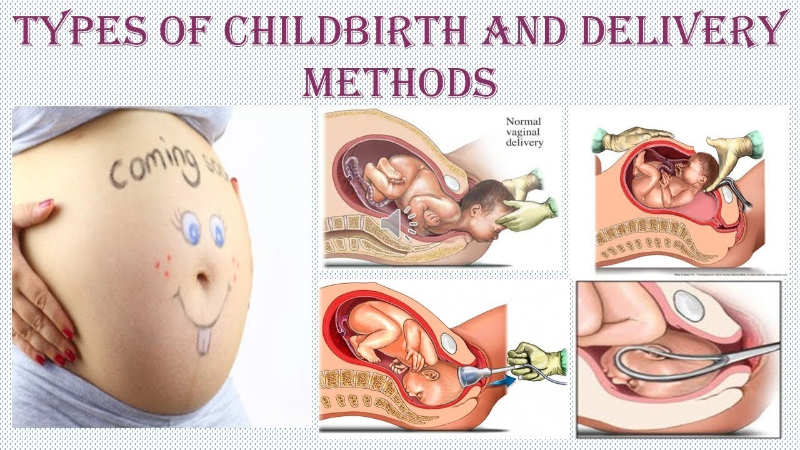
Pregnancy is a beautiful journey, but when it comes to childbirth, every woman deserves to know her options. With the progress of modern medicine, there’s no one-size-fits-all approach to giving birth. Whether you’re planning for a natural delivery or considering a C-section, understanding the different modes of delivery will help you make the safest and most informed choice for you and your baby.
In this guide, we’ll explore the most common delivery methods, when each is used, and what to expect during the process.
1. Vaginal Delivery (Normal Birth)
Vaginal delivery is the most natural and widely practiced form of childbirth. It occurs when the baby is delivered through the birth canal without surgical intervention.
Benefits:
- Quicker recovery
- Lower risk of complications
- Immediate skin-to-skin bonding
Best suited for healthy pregnancies without complications.
2. Assisted Vaginal Delivery
Sometimes, tools are needed to assist in delivering the baby if labor slows down or complications arise. The two main methods are:
- Forceps Delivery
- Vacuum Extraction (Ventouse)
These methods are usually used when the baby needs to be delivered quickly due to distress or prolonged labor.
3. Cesarean Section (C-Section)
A cesarean is a surgical procedure where the baby is delivered through incisions made in the mother’s abdomen and uterus. It may be planned or performed in emergencies.
Common reasons for a C-section:
- Breech position
- Multiple pregnancies
- Placenta issues
- Fetal distress
Note: Recovery time is longer compared to vaginal birth.
4. VBAC (Vaginal Birth After Cesarean)
For mothers who previously had a cesarean, a vaginal birth may still be possible. This option, called VBAC, is safe for many women but requires a thorough medical assessment.
5. Water Birth
A water birth involves laboring or delivering in a tub of warm water. Some women find it relaxing and less painful.
Benefits:
- Natural pain relief
- Reduced stress
- Gentle transition for the baby
Must be performed under medical supervision in a controlled environment.
6. Home Birth
Home births offer comfort and privacy but are only recommended for low-risk pregnancies. A certified midwife or healthcare provider should always be present, and a hospital plan must be in place in case of emergency.
7. Epidural-Assisted Vaginal Delivery
This is a vaginal delivery where epidural anesthesia is used to relieve labor pain. The mother stays awake, alert, and able to push with minimal discomfort.
Epidurals are one of the most common and effective pain relief methods during childbirth.
Final Thoughts
Each woman’s childbirth experience is unique. The best delivery method is the one that ensures the safety and well-being of both the mother and baby. Talk to your doctor, understand your medical history, and plan ahead — because informed decisions lead to confident births.
Would you like a social media caption, CTA, or image alt text to match this article?
If you still need to consult a doctor regarding this condition, you can easily book an appointment through Vezeeta
Related Keywords



References
World Health Organization (WHO) – Recommendations on Intrapartum Care for a Positive Childbirth Experience
Comprehensive clinical guidance on normal vaginal birth, assisted delivery, and cesarean section indications.
https://www.who.int/publications/i/item/9789241550215
American College of Obstetricians and Gynecologists (ACOG) – Modes of Term Singleton Breech Delivery & Cesarean Delivery on Maternal Request
Evidence-based protocols on when to choose vaginal birth, assisted delivery, or C-section.
https://www.acog.org
National Institute for Health and Care Excellence (NICE, UK) – Caesarean Birth Guidelines (NG192)
Clinical recommendations for choosing between vaginal delivery and C-section, including VBAC safety.
https://www.nice.org.uk/guidance/ng192
Mayo Clinic – Labor and Delivery: What to Expect
Detailed patient-friendly guide on natural, assisted, and surgical birth methods with pros and risks.
https://www.mayoclinic.org/healthy-lifestyle/labor-and-delivery/in-depth/labor-and-delivery/art-20049326
UpToDate – Overview of Labor and Delivery & Vaginal Birth After Cesarean
Professional medical reference on all modes of delivery, complications, and evidence-based decision-making.
https://www.uptodate.com
Centers for Disease Control and Prevention (CDC) – Pregnancy and Birth Data & Cesarean Birth Statistics
U.S. statistics and trends comparing vaginal vs. C-section deliveries.
https://www.cdc.gov/nchs/products/databriefs/db354.htm