

Maxophage XR 1000 mg: uses, side effects, price and alternatives
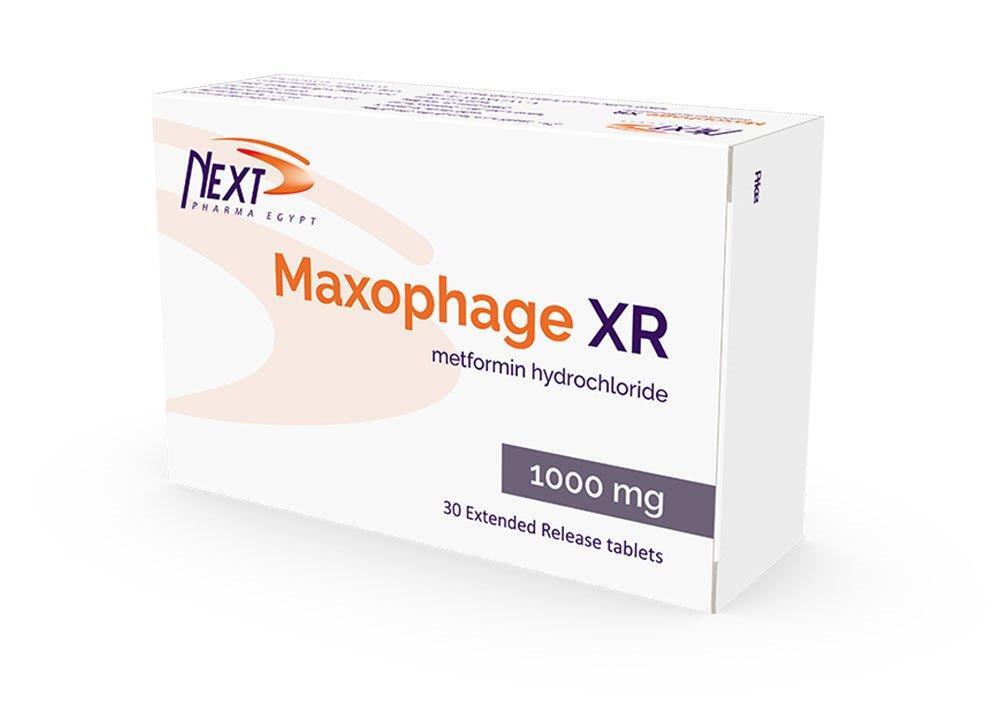
What is Maxophage XR and what does it contain
Maxophage XR 1000 mg 30 tablets is an oral antidiabetic medicine containing metformin hydrochloride. XR means extended release, so the tablet releases metformin gradually.
Metformin belongs to the biguanide class. It lowers blood glucose by reducing glucose production in the liver, decreasing absorption from the gut, and improving the body’s response to insulin. When used alone, it rarely causes low blood sugar, but the risk rises if combined with insulin or some other diabetes medicines.
Difference between strengths and variants
Maxophage may come in different strengths and forms, such as Maxophage 500, Maxophage 1000, and Maxophage XR 1000. Extended-release tablets must be swallowed whole, not crushed, split, or chewed. The suitable form depends on the doctor’s plan, sugar readings, kidney function, tolerability, and availability.
What is Maxophage XR used for
Maxophage XR is used mainly for type 2 diabetes as part of a plan that includes diet, physical activity, weight management when needed, and regular monitoring. A doctor may also prescribe metformin in selected cases such as insulin resistance, prediabetes, or polycystic ovary syndrome when appropriate.
It does not replace healthy lifestyle measures. If you have diabetes or insulin resistance, a diabetes and endocrinology doctor through Vezeeta can review sugar targets, dose suitability, and follow-up tests.
Maxophage XR for weight loss
Many people ask about Maxophage XR or Maxophage 1000 for weight loss. Metformin may be weight-neutral or cause modest weight reduction in some people, especially with insulin resistance, but it is not a primary weight-loss medicine. Do not use it for slimming without medical supervision because unnecessary use can cause stomach side effects, vitamin B12 deficiency, and rare but serious lactic acidosis in susceptible patients.
Maxophage XR dosage and how to use it
Maxophage XR treats a chronic condition, so the treating doctor determines the appropriate dose based on the diagnosis, response to treatment, kidney function, age, other medicines, and the patient’s clinical condition. Do not start, increase, reduce, or replace Maxophage XR on your own.
It is usually taken with food to reduce nausea, diarrhea, cramps, and stomach upset. Swallow the XR tablet whole with water. If you notice a tablet-like shell in stool, ask your pharmacist or doctor; this can occur with some extended-release products and does not always mean the medicine has failed.
The treating doctor determines whether treatment should continue, change, or stop. For individualized advice, use Vezeeta to consult a diabetes and endocrinology specialist.
Before or after food
Taking Maxophage XR with a meal usually improves stomach tolerance. If diarrhea, vomiting, poor fluid intake, or dehydration occurs, contact your doctor promptly because dehydration may increase safety risks.
Missed dose
If you miss a dose, follow the instructions on your prescription label or ask your pharmacist or treating doctor. Do not take extra tablets to make up for a missed dose unless your doctor specifically instructs you to do so.
How long does Maxophage XR take to work
Metformin can start lowering blood glucose within the first week, but fuller improvement may take several weeks. Response is checked through home glucose readings and HbA1c, not symptoms alone. If readings stay high, the doctor may review diet, adherence, illness, other medicines, or whether the treatment plan needs adjustment.
What are the side effects of Maxophage XR
Common side effects include nausea, diarrhea, abdominal discomfort, gas, indigestion, metallic taste, reduced appetite, tiredness, and headache. These effects are often more noticeable when treatment begins or after a change in therapy and may improve when the medicine is taken with food.
Long-term metformin use may lower vitamin B12 levels in some patients. Possible signs include fatigue, numbness, tingling, mouth soreness, memory problems, or anemia. Your doctor may request blood tests if symptoms occur or during long-term follow-up.
Urgent symptoms
Seek urgent medical care if you develop extreme weakness, unusual muscle pain, trouble breathing, severe sleepiness, severe vomiting or diarrhea, abdominal pain, dizziness, feeling very cold, or a slow or irregular heartbeat. These may suggest lactic acidosis, which is rare but serious. Also seek help for severe allergy, dehydration, or repeated hypoglycemia with other diabetes medicines.
Contraindications and precautions
Do not use Maxophage XR if you are allergic to metformin or any tablet ingredient. This medicine is contraindicated in severe kidney impairment and in metabolic acidosis, including diabetic ketoacidosis.
Medical assessment is required if you have kidney disease, liver disease, heart failure, severe infection, dehydration, heavy alcohol use, low-oxygen states, planned surgery, or an imaging test using iodinated contrast. Older adults may need closer monitoring because kidney function can decline with age. Kidney function is usually checked before and during treatment.
Maxophage XR drug interactions
Tell your doctor about all prescription medicines, over-the-counter drugs, supplements, and herbal products. Important interactions include insulin, sulfonylureas and other glucose-lowering medicines, which may increase hypoglycemia risk; iodinated contrast agents, which may require medical planning; alcohol, which increases lactic acidosis risk; and medicines that affect kidney function or metformin levels.
Some medicines may raise or lower blood sugar, including corticosteroids, certain diuretics, beta-blockers, some antidepressants, and quinolone antibiotics. Do not stop another medicine by yourself; ask the prescribing doctor how to manage the combination safely.
Maxophage XR during pregnancy and breastfeeding
If you are pregnant, planning pregnancy, or have gestational diabetes, use Maxophage XR only if your doctor recommends it. Diabetes during pregnancy needs careful monitoring, and treatment choice depends on blood sugar targets, pregnancy stage, previous response, and maternal and fetal safety.
Metformin can pass into breast milk in small amounts. Breastfeeding decisions should be individualized, especially if the baby is premature, unwell, or has kidney problems.
Can Maxophage XR be taken every day and long term
Maxophage XR may be prescribed daily and long term in type 2 diabetes when benefits outweigh risks. Follow-up usually includes blood glucose control, kidney function, side effects, and sometimes vitamin B12 status.
The treating doctor decides whether treatment should continue, change, or stop. Do not change the plan on your own, even if readings improve. A Vezeeta diabetes and endocrinology consultation can help with follow-up and monitoring.
What are the alternatives to Maxophage XR
Alternatives may include other metformin brands such as Glucophage or Glucophage XR, depending on availability, or other diabetes medicines if metformin is unsuitable or not enough. Options may include DPP-4 inhibitors, SGLT2 inhibitors, GLP-1 receptor agonists, sulfonylureas, insulin, or others.
Maxophage and Glucophage may contain the same active ingredient, metformin, but can differ in manufacturer, release form, strength, inactive ingredients, price, and availability. Do not switch between immediate-release and XR products, or between brands, without medical or pharmacist guidance.
Maxophage XR price in Egypt
The price of Maxophage XR 1000 mg in Egypt may change with availability and pharmacy or regulatory updates. For the latest listed price and availability, check the Maxophage XR 1000 mg product page on Vezeeta Pharmacy.
Frequently asked questions
What is Maxophage?
Maxophage is a metformin medicine used mainly to help control blood sugar in type 2 diabetes. Maxophage XR is the extended-release form.
What are the uses of Maxophage 1000 XR?
It is used mainly for type 2 diabetes and may be prescribed in selected cases such as insulin resistance or PCOS.
Does Maxophage help with weight loss?
It may be linked with modest weight reduction in some people, but it is not a weight-loss medicine and should not be used for slimming without medical supervision.
What are the common side effects of Maxophage?
Common effects include nausea, diarrhea, stomach pain, gas, metallic taste, reduced appetite, tiredness, and headache.
Is Maxophage an alternative to Glucophage?
They may both contain metformin, but switching should be approved by a doctor or pharmacist, especially if the strength or release form differs.
What is the difference between Maxophage XR and Glucophage XR?
Both may be extended-release metformin products, but they can differ in manufacturer, inactive ingredients, price, and availability.
Can Maxophage XR be used for PCOS?
Metformin may be used off-label in PCOS, especially when insulin resistance is present, but the decision should be made by a gynecologist or endocrinologist.
Can Maxophage cause low blood sugar?
It rarely causes hypoglycemia alone, but the risk increases with insulin, sulfonylureas, missed meals, intense exercise, or alcohol.
Can Maxophage be taken with alcohol?
Alcohol should be limited or avoided because it may increase lactic acidosis risk and disturb blood sugar control.
Is Maxophage XR suitable for kidney patients?
It is contraindicated in severe kidney impairment and requires kidney function assessment before and during treatment.
How much is Maxophage XR 1000?
The price can change. Check the current price and availability on the verified Vezeeta Pharmacy product page.
What is the alternative to Maxophage 1000?
Possible alternatives include other metformin brands or other diabetes medicines, but the right option depends on your diagnosis, tests, and doctor’s plan.
Medical disclaimer
This article is for general medical information only and is not a substitute for diagnosis, treatment, or direct medical advice from a qualified healthcare professional. Do not start, stop, or change any medicine without consulting your doctor or pharmacist.
Specialized Doctors

Mohamed Hassan
Consultant in general internal medicine, diabetes, endocrinology and digestive system diseases - Ain Shams Medicine

Abdelrahman Elbata
Senior Consultant in Internal Medicine, Endocrinology and Diabetes

Atef Nessim
Consultant of internal medicine , diabetes and endocrinology
Specialized Doctors
Mohamed Hassan
Consultant in general internal medicine, diabetes, endocrinology and digestive system diseases - Ain Shams Medicine
Abdelrahman Elbata
Senior Consultant in Internal Medicine, Endocrinology and Diabetes
Atef Nessim
Consultant of internal medicine , diabetes and endocrinology


