

Macrofuran 100 mg Capsules: Uses, Dose, Side Effects and Price
What is Macrofuran and what does it contain
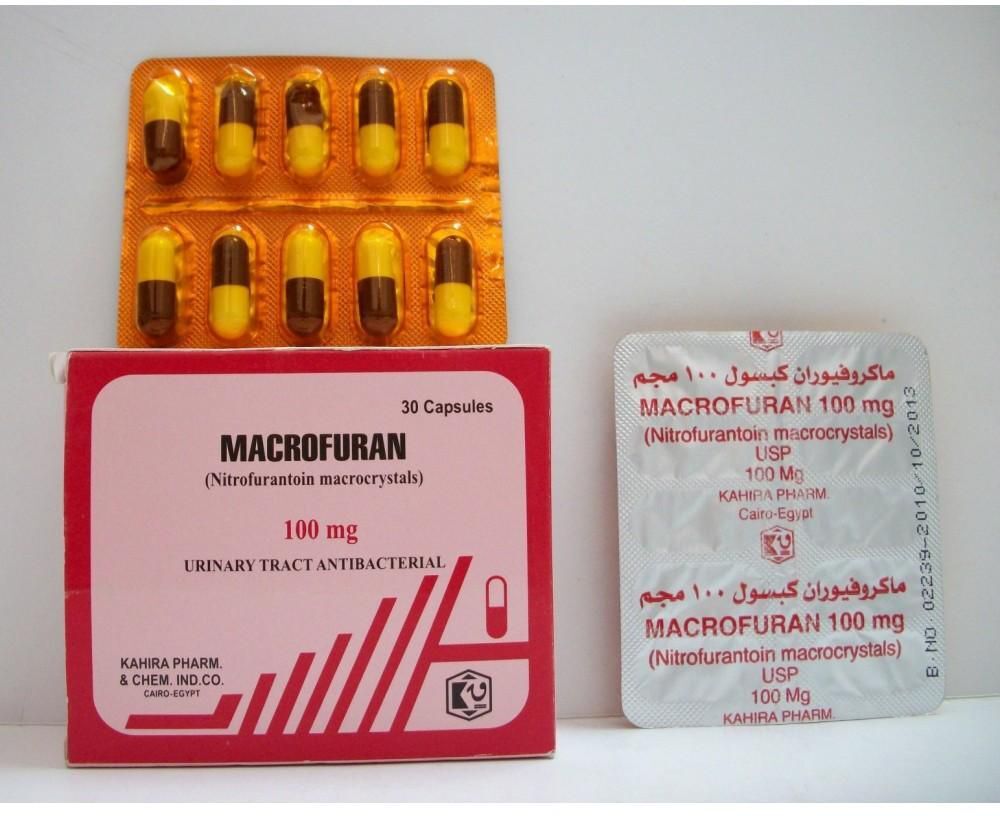
Macrofuran 100 mg is an oral capsule used as a urinary antibiotic. The active ingredient is nitrofurantoin. The verified Vezeeta Pharmacy page for Macrofuran 100 mg 30 capsules lists nitrofurantoin as the active ingredient and describes the product as an antibiotic for urinary tract infections.
Nitrofurantoin works mainly inside the urine. Bacterial enzymes activate it into compounds that interfere with several bacterial functions, including proteins, genetic material, and cell-wall processes. Because its useful effect is concentrated in the urinary tract, Macrofuran is not the right antibiotic for every infection in the body.
Macrofuran is not a painkiller, urinary alkalinizer, or diuretic. It does not simply increase urine output; it treats susceptible bacteria when the infection is in the appropriate part of the urinary tract.
What is Macrofuran used for
Macrofuran is used mainly for susceptible bacterial infections limited to the lower urinary tract, particularly uncomplicated cystitis. Symptoms may include burning urination, frequent urination, urgency, cloudy or strong-smelling urine, lower abdominal discomfort, or pus cells in urine testing.
It may also be prescribed in selected patients to help prevent recurrent bladder infections. Preventive use should only be supervised by a doctor, because prolonged nitrofurantoin use can rarely cause serious lung, liver, blood, or nerve problems.
Macrofuran is generally not suitable for kidney infection, bloodstream infection, or infections that need high tissue levels. In men, urinary symptoms may be linked to the prostate. Nitrofurantoin does not reach reliable levels in prostate tissue, so it is not usually appropriate for prostatitis. For recurrent UTI, fever, flank pain, symptoms in men, or repeated pus cells in urine, book a urology appointment through Vezeeta Urology doctors.
Macrofuran dosage and how to use it
The correct Macrofuran dose depends on the diagnosis, urine culture when needed, kidney function, age, pregnancy status, other medicines, and whether it is being used for treatment or prevention. Do not self-prescribe Macrofuran for burning urine or an abnormal urine analysis, because not every urinary symptom needs the same antibiotic.
For uncomplicated bladder infection, treatment courses are often short, but the exact dose frequency and duration must follow the prescription. Complete the prescribed course unless your doctor tells you otherwise because of an adverse reaction. Skipping doses may reduce treatment success and can contribute to recurrence or resistance.
Before or after food
Macrofuran is usually taken with food or milk. Food improves nitrofurantoin absorption and may reduce stomach upset such as nausea. If your prescription gives different instructions, follow your doctor’s or pharmacist’s advice.
Missed dose
If you miss a dose, follow the instructions on the prescription label or ask a pharmacist. Do not double doses unless a healthcare professional specifically advises you to do so.
How long does Macrofuran take to work
Many people with uncomplicated lower UTI notice improvement within about two days, although full symptom relief may take several days. Burning, urgency, and frequency should gradually improve when the antibiotic is working.
Seek medical review if symptoms worsen, do not improve, return soon after finishing treatment, or occur with fever, chills, nausea, vomiting, back or side pain, visible blood in urine, pregnancy, diabetes, kidney disease, or prostate symptoms. These signs may indicate a complicated infection or another condition.
What are the side effects of Macrofuran
Common side effects include nausea, reduced appetite, stomach discomfort, vomiting, diarrhea, gas, headache, dizziness, and dark yellow or brown urine. Dark urine can occur with nitrofurantoin and is often harmless, but red urine, visible blood, severe pain, or yellowing of the skin or eyes needs medical evaluation.
Less common but serious reactions include allergic reactions, severe rash, lung inflammation, persistent cough, shortness of breath, chest pain, liver injury, severe fatigue, numbness or tingling, unusual bruising, and severe diarrhea. Long-term use increases the importance of monitoring for lung and liver toxicity.
Get urgent medical help for breathing difficulty, swelling of the face or throat, severe rash, blue lips, severe chest pain, jaundice, confusion, severe weakness, or high fever with flank pain.
Contraindications and precautions
Do not use Macrofuran if you are allergic to nitrofurantoin or any capsule ingredient. Nitrofurantoin is contraindicated in anuria, oliguria, or significant renal impairment because low urine levels may reduce effectiveness and increase toxicity. It is also contraindicated in infants under one month of age.
Do not use nitrofurantoin at term pregnancy, during labor and delivery, or when labor is imminent because of the risk of hemolytic anemia in the newborn. It is also contraindicated in people who previously developed cholestatic jaundice or liver dysfunction caused by nitrofurantoin.
Use with caution in kidney disease, anemia, diabetes, electrolyte imbalance, vitamin B deficiency, lung disease, liver disease, or known or suspected G6PD deficiency. Older adults may need kidney-function assessment before treatment.
Macrofuran drug interactions
Tell your doctor or pharmacist about all medicines and supplements you use. Antacids containing magnesium trisilicate can reduce nitrofurantoin absorption. Probenecid and sulfinpyrazone may reduce urinary excretion of nitrofurantoin, raising toxicity risk while reducing antibacterial levels in urine.
Products that make urine less acidic may reduce nitrofurantoin activity. Do not combine Macrofuran with another antibiotic unless prescribed. If vomiting or diarrhea occurs while using oral contraceptives, ask a pharmacist whether backup contraception is needed.
Macrofuran during pregnancy and breastfeeding
Macrofuran may be prescribed during pregnancy when clearly needed and when the expected benefit outweighs the risk. It must not be used at term, during labor, delivery, or when labor is imminent. Pregnant patients with urinary symptoms should not self-treat because untreated UTI in pregnancy can become serious.
Nitrofurantoin passes into breast milk in small amounts. It may be acceptable in some breastfeeding situations, but medical advice is needed, especially if the baby is very young, premature, jaundiced, or has known or suspected G6PD deficiency.
Can Macrofuran be taken every day and long term
Macrofuran is usually prescribed for a defined infection course. In selected recurrent cystitis cases, a doctor may prescribe preventive nitrofurantoin for longer periods, but this requires a clear reason and monitoring. The treating doctor determines whether treatment should continue, change, or stop.
Do not keep taking leftover Macrofuran for recurring urinary symptoms without reassessment. Recurrent symptoms may require urine culture, imaging, prostate evaluation in men, pregnancy assessment, or a different antibiotic.
What are the alternatives to Macrofuran
Alternatives depend on the suspected bacteria, infection site, resistance patterns, pregnancy status, kidney function, allergies, and culture results. Options used for UTIs may include fosfomycin, trimethoprim-sulfamethoxazole, some cephalosporins, amoxicillin-clavulanate, or other antibiotics. Fluoroquinolones may be reserved for specific cases because of safety and resistance concerns.
Do not replace Macrofuran with another antibiotic based only on availability or price. Wrong antibiotic selection may fail to treat the infection and may worsen resistance.
Macrofuran price in Egypt
The price of Macrofuran 100 mg in Egypt can change according to availability, pharmacy updates, and official pricing changes. For current availability and ordering details, check Macrofuran 100 mg 30 capsules on Vezeeta. If symptoms are severe or recurrent, do not delay medical care while comparing prices.
Frequently asked questions
When does Macrofuran start working?
Symptoms often start improving within about two days, but the full prescribed course should be completed.
Should Macrofuran be taken before or after food?
It is usually taken with or after food or milk to improve absorption and reduce nausea.
What is Macrofuran 100 used for?
It is used mainly for susceptible lower urinary tract infections such as uncomplicated cystitis.
Is Macrofuran used for pus cells in urine?
It may be used if pus cells are due to a susceptible bacterial UTI, but testing and medical assessment are important.
Does Macrofuran change urine color?
Yes. Nitrofurantoin may darken urine to yellow-brown or brown. Blood or severe pain should be checked.
Is Macrofuran a diuretic?
No. It is an antibiotic, not a medicine that increases urine production.
Does Macrofuran raise blood pressure?
High blood pressure is not a typical expected effect. Ask your doctor if you have unusual symptoms or uncontrolled hypertension.
Is Macrofuran safe in pregnancy?
It may be used in some pregnancy situations by prescription, but it is contraindicated at term, during labor, or when labor is imminent.
Can Macrofuran treat prostate infection?
It is not usually appropriate for prostatitis because it does not penetrate prostate tissue reliably.
Can Macrofuran treat kidney infection?
No. It is generally not suitable for kidney infection. Fever with flank pain needs urgent medical evaluation.
Can children take Macrofuran?
Nitrofurantoin is contraindicated in infants under one month. Children need diagnosis and dosing by a doctor.
Can I stop Macrofuran when I feel better?
Do not stop early unless your doctor advises it. Completing the course helps clear infection and reduce recurrence.
Medical disclaimer
This article is for medical information only and does not replace consultation with a qualified doctor or pharmacist. Do not start, stop, change the dose of, or repeat any antibiotic without professional medical advice.



References
- https://www.drugs.com/nitrofurantoin.html
- https://www.drugs.com/tips/nitrofurantoin-patient-tips
- https://www.drugs.com/monograph/nitrofurantoin.html
- https://www.drugs.com/dosage/nitrofurantoin.html
- https://www.drugs.com/pregnancy/nitrofurantoin.html
- https://www.drugs.com/pro/nitrofurantoin-macrocrystals.html


