How Can Pregnancy Melasma Be Treated?
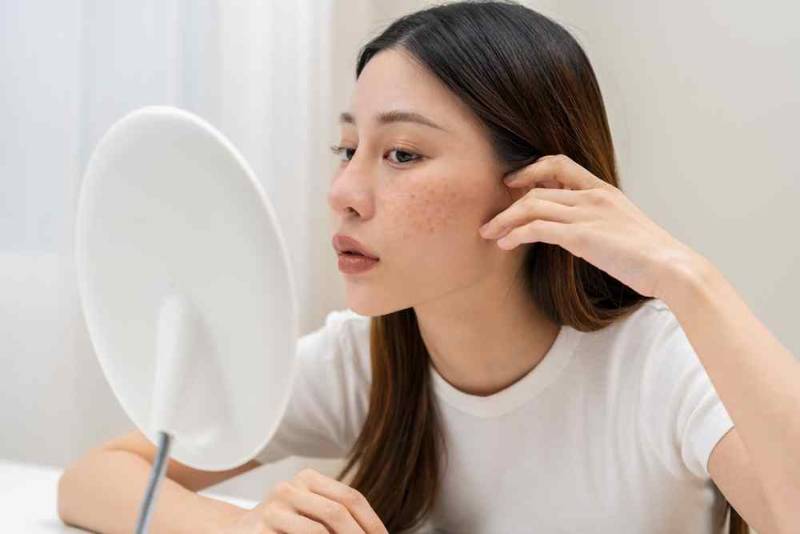
Pregnancy and childbirth are among the greatest dreams of every mother. To achieve this dream, women endure various challenges and symptoms during pregnancy—such as nausea, fatigue, and pregnancy melasma, one of the most common skin-related signs of pregnancy.
Let’s embark on an insightful journey to explore this common skin condition: what causes it, its types, how to treat it, how to prevent it, and whether there is any connection between melasma and the baby's gender.
What Is Pregnancy Melasma?
Melasma is a harmless form of skin pigmentation that appears on the mother’s skin during pregnancy due to hormonal changes. Although it can affect anyone, it's more common in women, especially during pregnancy, and becomes more frequent in summer.
Melasma can affect any area of the body, especially the face, which is why it's often referred to as the "mask of pregnancy." It may also appear on the forearms.
What Does Pregnancy Melasma Look Like?
It appears as brown or bluish patches on the skin and is more common in women with darker skin tones than in those with lighter complexions.
Types of melasma (based on depth of pigmentation):
- Epidermal Melasma: Dark brown patches with clear borders. It usually responds well to treatment.
- Dermal Melasma: Light brown or bluish patches with unclear borders due to melanin in the deeper skin layer. It’s harder to treat.
- Mixed Melasma: A combination of both, with moderate response to treatment.
What are Common Areas Affected by Pregnancy Melasma?
Melasma usually appears in sun-exposed areas, especially:
- Cheeks
- Nose
- Upper lip
- Chin
- Forehead
- Forearms and arms
- Neck
- Back
- Shoulders
- Jawline
When Does Pregnancy Melasma Start?
It typically develops during a woman’s reproductive years (ages 20–40). It's rare in adolescence.
- Affects 1.5%–33% of people in general.
- Occurs in 15%–50% of pregnant women.
What are Causes of Pregnancy Melasma?
Melasma results from the overproduction of melanin, especially in sun-exposed areas, explaining its higher prevalence in summer.
During pregnancy, melasma is triggered by elevated levels of estrogen and progesterone, which stimulate melanin-producing cells.
Other contributing factors include:
- Genetics (family history of melasma)
- Hormonal birth control pills
- Hypothyroidism
- Cosmetic or skincare products
- Tanning beds
- Screen light (phones, TVs)
- Seizure medications
How is Pregnancy Melasma Diagnosed?
A dermatologist usually diagnoses melasma through a physical examination. Additional tests may be used to rule out infections or other skin conditions.
Wood's lamp is a special light tool used to assess pigmentation depth and check for fungal or bacterial infections.
Will Pregnancy Melasma Go Away?
Yes, it often fades gradually after delivery, or once breastfeeding ends and hormone levels normalize. The time it takes varies—some women see improvement within a few months, while others may take years.
How to Reduce Melasma During Pregnancy?
Most doctors don’t recommend treating melasma during pregnancy because it's temporary and some medications are unsafe during this period.
Instead, focus on lifestyle changes to prevent worsening, including:
- Use a pregnancy-safe sunscreen (SPF 30+) with mineral ingredients like zinc oxide or titanium dioxide.
- Stay indoors during peak sun hours.
- Wear protective clothing and hats.
- Use chemical-free skincare products.
- Eat foods rich in vitamin D (yogurt, meat, eggs, milk, orange juice).
- Get adequate sleep.
- Reduce screen exposure.
- Limit cosmetic use.
- Avoid tanning beds and waxing.
Home remedies that may help:
- Honey and oatmeal mask: Mix cooked oatmeal with honey, apply for 10 minutes, then rinse.
- Apple cider vinegar: Mix with equal water and apply to pigmented areas.
What are Treatment Options for Pregnancy Melasma?
Melasma treatment varies in effectiveness, and recurrence is possible. Treatment may begin after childbirth or breastfeeding.
Medications:
- Azelaic acid (e.g., Skinoren): Reduces pigmentation.
- Hydroquinone: Applied nightly for 2–4 months.
- Topical corticosteroids: Reduce inflammation and pigmentation.
- Methimazole: An alternative if hydroquinone is ineffective.
- Tretinoin (Retinoids): Not safe during pregnancy.
- Soy extract, cysteamine, Vitamin D.
Cosmetic procedures:
- Chemical peels
- Fractional laser treatments
Can Pregnancy Melasma Appear on the Breasts?
Yes, although rare. Melasma can affect any area of the body, but it’s more common in sun-exposed regions.
Does Melasma Indicate the Baby’s Gender?
Absolutely not. There's no connection between melasma and the baby's gender. Hormonal changes occur regardless of whether the fetus is male or female.
In Conclusion
Pregnancy melasma is a common and harmless skin condition that usually fades after pregnancy. There's no need to feel embarrassed—just follow preventive steps to avoid worsening and consult a doctor after delivery if treatment is needed.
If you still need to consult a doctor regarding this condition, you can easily book an appointment through Vezeeta
Related Keywords
Specialized Doctors

Randa Sedek Abdellatif
Consultant of Allergy and Immunology, Faculty of Medicine, Zagazig University

Nissreen ElSayed ElBadawy
Consultant of Allergy and Immunology, Faculty of Medicine, Zagazig University

Amal Mohamed Habib
consultant of Allergy
References
American Academy of Dermatology (AAD). Melasma: Causes, treatment, and prevention.
Retrieved from: https://www.aad.org/public/diseases/a-z/melasma
Mayo Clinic. Melasma – Symptoms and causes.
Retrieved from: https://www.mayoclinic.org/diseases-conditions/melasma/symptoms-causes/syc-20350303
Rendon, M., & Berneburg, M. (2017). Melasma: A clinical and therapeutic review. Journal of the European Academy of Dermatology and Venereology, 31(11), 1812–1822.
Retrieved from: https://pubmed.ncbi.nlm.nih.gov/28574063/
Tamega, A., Miot, H., & Miot, L. D. (2014). Melasma: A clinical and epidemiological review. Anais Brasileiros de Dermatologia, 89(5), 771–782.
Retrieved from: https://www.ncbi.nlm.nih.gov/pmc/articles/PMC4144290/
Society for Dermatology and Cosmetic Surgery. Safe skin care during pregnancy.
Retrieved from: https://www.dermsociety.org/pregnancy-skincare
Specialized Doctors
Randa Sedek Abdellatif
Consultant of Allergy and Immunology, Faculty of Medicine, Zagazig University
Nissreen ElSayed ElBadawy
Consultant of Allergy and Immunology, Faculty of Medicine, Zagazig University
Amal Mohamed Habib
consultant of Allergy