Hepatitis A Virus Symptoms in Children and Adults and Its Causes
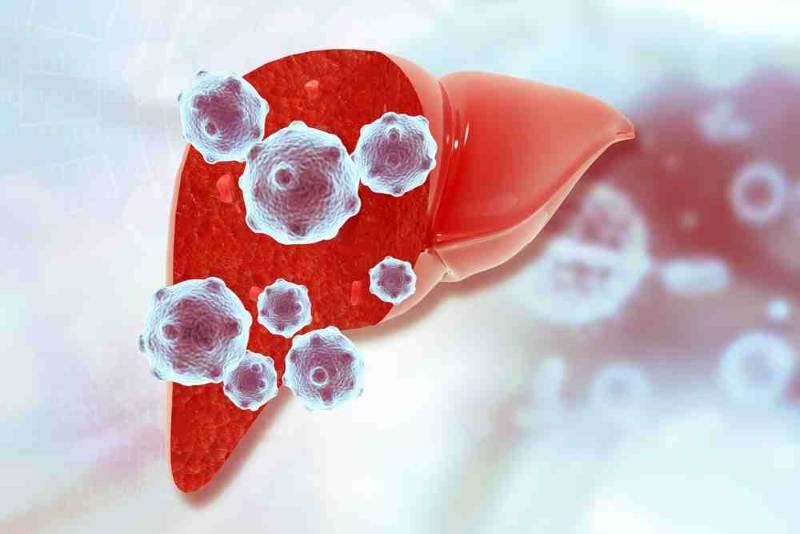
Hepatitis A accounts for around 20–25% of all viral hepatitis cases. It is more common in developing countries and areas lacking proper sanitation and hygiene.
So, what is hepatitis A? What are its symptoms? How does it spread from one person to another? Is there a vaccine? And how is it treated in children and adults?
What Is Hepatitis A?
Hepatitis A is a viral infection of the liver, caused by the hepatitis A virus (HAV). It is considered the least severe form of viral hepatitis because it does not usually cause long-term liver damage and is easily treatable.
The infection typically lasts 2 to 6 weeks, during which symptoms begin to appear. In rare cases, the infection may lead to acute liver failure, especially in people with pre-existing liver conditions.
What are Symptoms of Hepatitis A in Children and Adults?
The severity of symptoms can range from mild to severe, and some people may experience no symptoms at all. Symptoms usually appear in three phases:
1. Prodromal Phase (Early Symptoms):
- Swelling in certain parts of the body
- Fever
- Skin rash
- Joint pain
2. Pre-icteric Phase (Before Jaundice):
- Cough
- Fever
- Fatigue
- Muscle aches
- Abdominal pain
- Diarrhea
- Nausea and vomiting
- Dark urine and pale stool
- Loss of appetite
3. Icteric Phase (Jaundice Stage):
- Skin inflammation
- Persistent nausea, vomiting, and appetite loss
- Yellowing of the skin and eyes (jaundice)
- Gradual disappearance of earlier symptoms
What are Causes of Hepatitis A?
Hepatitis A is caused by the hepatitis A virus, which spreads from the digestive tract to the liver through the bloodstream.
A person becomes contagious two weeks before symptoms appear and remains infectious for at least one week after symptom onset.
How Hepatitis A Is Transmitted?
Hepatitis A spreads rapidly through:
- Eating unwashed or undercooked contaminated food
- Consuming fast food prepared by an infected person who did not follow hygiene protocols
- Eating raw or undercooked seafood contaminated with sewage
- Contact with the feces of an infected individual
Risk Factors Include:
- Injecting or using drugs
- Living in crowded areas
- Residing in or traveling to regions with poor sanitation
- Sexual contact with an infected person
- Living with an infected individual
- Having HIV/AIDS
Is Hepatitis A Contagious?
Yes — hepatitis A is highly contagious, especially through contaminated food and water.
The virus is extremely resilient and can survive outside the body for months, increasing the risk of transmission.
What are Difference Between Hepatitis A, B, and C?
All three viruses cause liver inflammation, but they differ in:
| FactorHepatitis AHepatitis BHepatitis C | |||
| Treatment | Self-limiting (no meds) | Treatable, not curable | Recently curable |
| Vaccine available | Yes | Yes | No |
| Transmission | Fecal-oral route | Blood, sexual fluids | Blood only |
| Severity | Usually mild | Can be chronic | Often becomes chronic |
| Duration | Temporary | May persist for life | Often long-term |
What is the Diagnosis of Hepatitis A?
Early diagnosis is key not only for treatment but also for preventing its spread. The doctor will:
- Assess symptoms and medical history
- Ask about lifestyle, food habits, and medication use
- Order blood tests to detect antibodies produced by the immune system against HAV
What is the Recovery Time from Hepatitis A?
Most people recover within 2 months, though some may take up to 6 months.
Signs of recovery include the gradual fading of symptoms and return to normal activities without the need for medications.
How Is Hepatitis A Treated in Children and Adults?
There is no specific antiviral treatment for hepatitis A. The infection usually resolves on its own, and treatment focuses on symptom relief:
- Plenty of rest until fever and jaundice subside
- Increased fluid intake, especially broths and nutrient-rich drinks
- Avoid alcohol, smoking, and medications that may strain the liver
- Eat a healthy, balanced diet with properly cooked, clean food
What Should a Child with Hepatitis A Eat?
Children (and adults) with hepatitis A need nutrient-rich foods to compensate for lost vitamins and minerals due to vomiting or diarrhea. Tips include:
- Small, frequent meals to reduce nausea
- High-calorie foods
- Broths, juices, or milk instead of water for hydration and nutrition
- Avoid:
- Alcohol
- Excess salt
- Trans fats
- Fast food
- Processed foods
How Dangerous Is Hepatitis A?
Hepatitis A is usually not life-threatening, and most people recover fully. However, in rare cases, it may lead to acute liver failure, especially in:
- Older adults
- Patients with chronic liver disease
- Immunocompromised individuals (e.g., HIV/AIDS)
- People on immunosuppressants
What are the Prevention ways of Hepatitis A?
Preventive measures can help limit the spread of hepatitis A:
- Get vaccinated against hepatitis A
- Wash hands thoroughly after using the bathroom and before eating
- Avoid street food or only eat from trusted sources
- Wash fruits and vegetables properly
- Do not share utensils or personal items
Conclusion
Have you had hepatitis A before? If yes, you are no longer at risk of reinfection, as the virus grants lifelong immunity.
Hepatitis A is often spread through contaminated food and causes symptoms that typically resolve within two months.
Treatment for children and adults focuses on relieving symptoms and discomfort, while vaccination remains the best method of prevention.
If you still need to consult a doctor regarding this condition, you can easily book an appointment through Vezeeta
Related Keywords
Specialized Doctors

Nabila Hassan
Consultant of Hepatology, Gastroenterology and Endoscopy

Nadia Elwan
Prof. of Tropical Medicine, Tanta University.

Mohamed Said Abdel Aziz
Consultant and Professor of Hepatogastroenterology and liver Transplantation - Kasr Al Ainy - Cairo University
References
Mayo Clinic. Hepatitis A: Symptoms & Causes.
Available at: https://www.mayoclinic.org
Centers for Disease Control and Prevention (CDC). Hepatitis A.
Available at: https://www.cdc.gov/hepatitis/hav
World Health Organization (WHO). Hepatitis A.
Available at: https://www.who.int/news-room/fact-sheets/detail/hepatitis-a
MedlinePlus. Hepatitis A.
Available at: https://medlineplus.gov
National Health Service (NHS). Hepatitis A.
Available at: https://www.nhs.uk
Specialized Doctors
Nabila Hassan
Consultant of Hepatology, Gastroenterology and Endoscopy
Nadia Elwan
Prof. of Tropical Medicine, Tanta University.
Mohamed Said Abdel Aziz
Consultant and Professor of Hepatogastroenterology and liver Transplantation - Kasr Al Ainy - Cairo University