

Flavicef 100 mg/5 mL suspension: uses, dosage, side effects and price
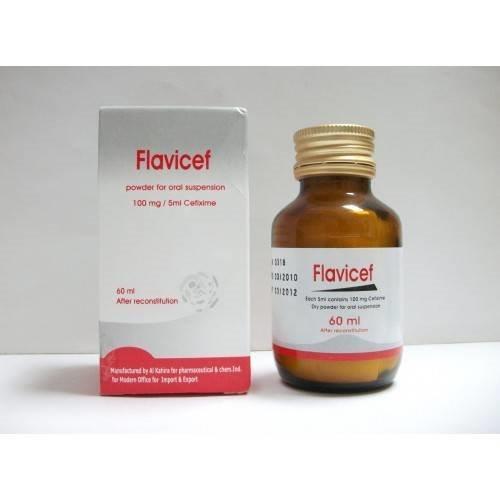
What is Flavicef and what does it contain
Flavicef 100 mg/5 mL powder for oral suspension is a prescription antibiotic. After preparation, each 5 mL contains cefixime. Cefixime is a third-generation cephalosporin antibiotic that helps treat susceptible bacterial infections by interfering with bacterial cell-wall formation.
This article refers to Flavicef 100 mg/5 mL oral suspension 60 mL on Vezeeta Pharmacy. The Arabic product page is available here: فلافيسيف 100مجم/5مل شراب معلق 60 مل.
The product discussed here is the 60 mL bottle of 100 mg/5 mL suspension. Other cefixime products may come as different strengths, tablets, capsules, or chewable tablets. Do not switch between strengths or brands without checking with a doctor or pharmacist, because the measured volume may change even when the active ingredient is the same.
What is Flavicef used for
Flavicef is used for bacterial infections caused by organisms that are sensitive to cefixime. Recognized uses of cefixime include certain cases of acute otitis media, bacterial pharyngitis or tonsillitis, uncomplicated urinary tract infection, and some respiratory infections when cefixime is an appropriate choice. It may also be prescribed for other bacterial infections based on the doctor’s diagnosis and local treatment guidance.
Flavicef is an antibiotic, not a fever reducer, cough medicine, or antiviral. It will not treat influenza, the common cold, or most sore throats caused by viruses. Using antibiotics without medical need may cause side effects and contribute to antibiotic resistance.
If your child has persistent fever, ear pain, painful urination, worsening throat pain, repeated vomiting, or unusual drowsiness, book an assessment with Vezeeta pediatricians or contact your child’s doctor instead of starting an antibiotic at home.
Flavicef dosage and how to use it
The doctor determines the correct Flavicef syrup dose for children according to weight, age, diagnosis, infection severity, kidney function, and other medicines. Although cefixime doses are commonly calculated by body weight, the exact number of milliliters of Flavicef 100 syrup should be written by the prescriber or calculated by the pharmacist.
Shake the bottle well before every dose. Use an oral syringe, dosing cup, or measuring spoon supplied by the pharmacy. Household teaspoons are inaccurate and may lead to too little or too much medicine. If the powder has not been mixed yet, ask the pharmacist to prepare it correctly, then follow the storage and discard instructions on the label or leaflet.
Give Flavicef for the period prescribed. Symptoms may improve before the infection has fully cleared, so do not shorten the course unless the doctor changes the plan. If your child repeatedly needs antibiotics, a pediatrician can assess the reason and decide whether treatment should continue, change, or stop.
Before or after food
Flavicef may generally be taken with or without food. If it causes nausea, stomach discomfort, or loose stools, giving it with food may reduce stomach upset unless the doctor advises otherwise.
Missed dose
If a dose is missed, give it when remembered unless it is nearly time for the next dose. Do not give two doses together. If several doses are missed, contact the doctor or pharmacist because consistent dosing is important for antibiotics.
How long does Flavicef take to work
When the infection is bacterial and sensitive to cefixime, fever or pain may begin to improve within 24 to 48 hours. Response varies according to the infection site, severity, bacterial sensitivity, and the child’s general condition.
Medical review is needed if symptoms worsen, fever persists beyond two days of treatment, the child cannot keep fluids down, or warning signs appear such as rash, breathing difficulty, dehydration, severe diarrhea, or unusual sleepiness.
What are the side effects of Flavicef
Common side effects of cefixime include diarrhea, loose stools, nausea, vomiting, abdominal pain, indigestion, and gas. Mild stomach symptoms may improve with food and fluids, but persistent or severe diarrhea should be discussed with a clinician.
Other possible side effects include headache, dizziness, rash, itching, oral thrush, diaper-area fungal irritation, and temporary changes in some blood or liver tests. Antibiotics can also disturb the normal balance of gut bacteria.
Seek urgent medical help if the patient develops swelling of the face, lips, tongue, or throat; wheezing; difficulty breathing; widespread hives; severe blistering or peeling rash; severe watery or bloody diarrhea; seizures; fainting; or signs of dehydration such as very low urine output, dry mouth, or marked drowsiness.
Contraindications and precautions
Do not use Flavicef if the patient is allergic to cefixime or any cephalosporin antibiotic. Tell the doctor clearly about any previous severe reaction to penicillin or another beta-lactam antibiotic, because cross-allergy may occur in some patients.
Use Flavicef with caution in people with kidney impairment, previous antibiotic-associated colitis, severe gastrointestinal disease, or a history of serious antibiotic reactions. Kidney disease may require dose adjustment. Tell the doctor if the patient has diabetes, because some suspensions may contain sugar. Also inform healthcare professionals before urine glucose tests or other laboratory tests, as cefixime may affect some results.
Flavicef drug interactions
Tell the doctor or pharmacist about all medicines, supplements, and vaccines being used. Important interactions may involve warfarin or other anticoagulants, as cephalosporins may increase bleeding tendency in some patients, and carbamazepine, as increased levels have been reported.
If the child takes medicines for epilepsy, blood thinning, kidney disease, or another long-term condition, do not start Flavicef without professional review.
Flavicef during pregnancy and breastfeeding
Although Flavicef syrup is often searched for children, cefixime may be prescribed to adults. During pregnancy, it should be used only when a doctor decides it is needed for a bacterial infection and selects it as an appropriate antibiotic.
During breastfeeding, ask a doctor before use. If cefixime is prescribed to a breastfeeding mother, monitor the baby for diarrhea, rash, or oral thrush and report concerning symptoms.
Can Flavicef be taken every day and long term
Flavicef is not a daily supplement or a medicine for long-term self-use. It is usually prescribed as a time-limited antibiotic course for a specific infection. Repeated or unnecessary antibiotic use may increase side effects and antibiotic resistance.
If your child has recurrent ear, throat, chest, or urinary infections, book an assessment with a pediatrician on Vezeeta. The doctor can look for causes such as allergy, immune problems, recurrent tonsillitis, urinary abnormalities, or another condition that needs a different plan.
What are the alternatives to Flavicef
Alternatives may include another cefixime product or a different antibiotic, such as another cephalosporin, a penicillin-type antibiotic, a macrolide, or a urinary-specific antibiotic. The right substitute depends on the infection site, age, allergy history, local resistance patterns, and availability. Do not choose an alternative only because it is cheaper or available; the doctor or pharmacist must confirm the active ingredient, strength, dose, and indication.
Flavicef price in Egypt
The price of Flavicef 100 mg/5 mL suspension in Egypt may change according to availability, official pricing updates, and delivery location. To check the current price and availability, visit the Flavicef product page on Vezeeta Pharmacy.
Frequently asked questions
What is the price of Flavicef antibiotic?
Check the Vezeeta Pharmacy product page for the current price, because prices and availability can change.
What is the dose of Flavicef 100 syrup for children?
The doctor calculates it by weight, diagnosis, and kidney function. Do not copy another child’s prescription.
What are the uses of Flavicef 60 mL?
It may be prescribed for susceptible bacterial infections such as certain ear, throat, urinary, and respiratory infections.
Is Flavicef an antibiotic?
Yes. Flavicef contains cefixime, a third-generation cephalosporin antibiotic.
Does Flavicef treat cold or flu?
No. It treats bacterial infections only and does not work against viral colds or influenza.
Can Flavicef syrup be used for babies?
Cefixime is not generally used in infants younger than 6 months unless a specialist makes that decision.
Should Flavicef be taken before or after food?
It can usually be taken with or without food. Food may help if stomach upset occurs.
What is a substitute for Flavicef?
A substitute may be another cefixime product or a different antibiotic, but it must be selected by a doctor or pharmacist.
What if my child vomits after a dose?
Contact the doctor or pharmacist, especially if vomiting is repeated or occurs soon after dosing. Do not repeat doses without advice.
Does Flavicef cause diarrhea?
Yes, diarrhea and loose stools are common. Severe watery or bloody diarrhea needs urgent medical advice.
Can Flavicef cause allergy?
Yes. Stop the medicine and seek urgent help for hives, swelling, breathing difficulty, or severe rash.
Can I stop Flavicef when symptoms improve?
Do not stop early unless the doctor instructs you, because incomplete treatment may allow infection to return.
Medical disclaimer
This article is for medical education only and does not replace examination, diagnosis, or treatment by a qualified healthcare professional. Always follow your doctor’s prescription and pharmacist’s instructions.
Specialized Doctors

Samir Mohamed El Bahnasy
Specialist in Pediatrics and new born

Tarek Abdin
Consultant of Pediatric and Newborns

Nahla Khalil
Senior consultant in pediatrics and neonatology at the National Diabetes Institute and Armed Forces Hospitals
Specialized Doctors
Samir Mohamed El Bahnasy
Specialist in Pediatrics and new born
Tarek Abdin
Consultant of Pediatric and Newborns
Nahla Khalil
Senior consultant in pediatrics and neonatology at the National Diabetes Institute and Armed Forces Hospitals


