Euthyrox 50 mcg tablets: uses, side effects, how to take it and price in Egypt
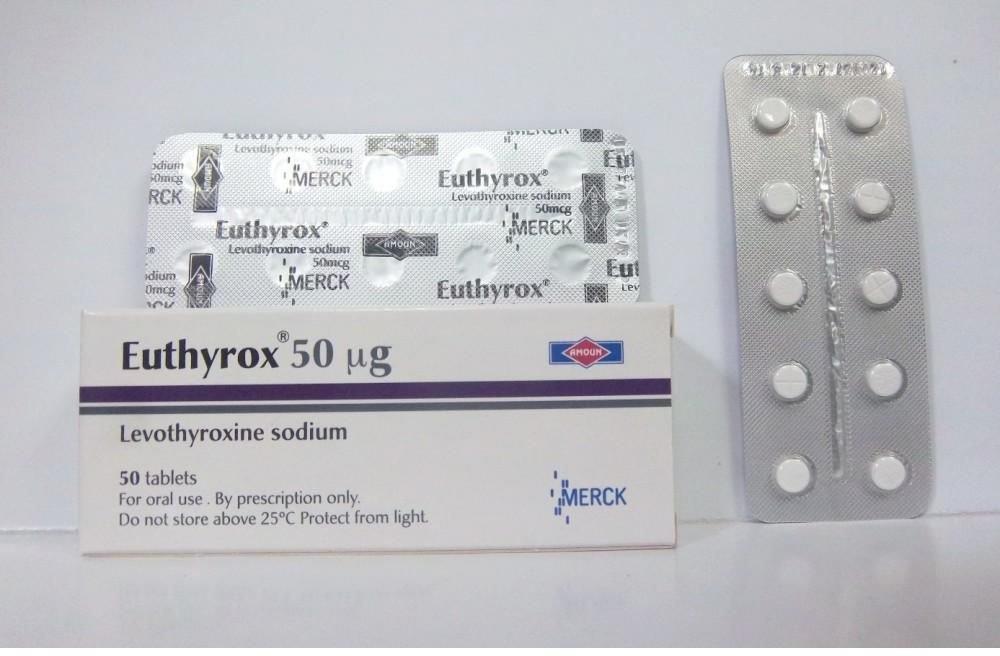
What is Euthyrox and what does it contain
Euthyrox is a thyroid hormone medicine. Its active ingredient is levothyroxine sodium, a synthetic form of thyroxine, the T4 hormone normally made by the thyroid gland. After absorption, the body converts part of T4 into T3, the more active hormone involved in metabolism, energy use, temperature control, heart rate, growth, and many body functions.
This article focuses on Euthyrox 50 mcg tablets on Vezeeta Pharmacy. Euthyrox 25, Euthyrox 50, Euthyrox 75, and Euthyrox 100 contain the same active ingredient in different strengths. A higher strength is not automatically better; the suitable strength depends on the diagnosis, blood tests, symptoms, age, heart condition, pregnancy status, and other medicines.
What is Euthyrox used for
Euthyrox is mainly used as replacement therapy for hypothyroidism, when the thyroid gland does not produce enough hormone. This may be congenital, autoimmune such as Hashimoto’s thyroiditis, or related to thyroid surgery, radioactive iodine, pituitary disease, or other causes. Symptoms of low thyroid hormone may include tiredness, feeling unusually cold, constipation, dry skin, hair loss, slow heart rate, heavy or irregular periods, poor concentration, and unexplained weight gain.
Specialists may also use levothyroxine to suppress thyroid-stimulating hormone, known as TSH, after certain thyroid cancer treatments. If your thyroid tests are abnormal or symptoms continue despite treatment, you can book a Diabetes and Endocrinology consultation through Vezeeta for assessment and follow-up.
Euthyrox dosage and how to use it
Euthyrox is used for a chronic endocrine condition, so this article does not provide personal numerical dosing. The treating doctor determines the appropriate dose based on the diagnosis, response to treatment, other medicines, and the patient’s clinical condition. Do not change the tablet strength, combine strengths, or adjust your prescription based on symptoms alone.
Euthyrox is taken by mouth with water. For best absorption, it is commonly taken on an empty stomach before breakfast, and the same routine should be followed consistently. Food, coffee, calcium, iron, antacids, bile-acid binders, some stomach medicines, high-fiber meals, soy products, and some supplements may reduce absorption, so ask your doctor or pharmacist how to separate them from Euthyrox. If you need help reviewing your dose, timing, or recent TSH result, an endocrinologist on Vezeeta can guide whether treatment should continue or change.
Missed dose
If you miss a dose, follow the instructions on your prescription leaflet or ask your doctor or pharmacist. Do not take extra tablets to compensate unless a healthcare professional has specifically advised you.
How long does Euthyrox take to work
Some symptoms, such as low energy, constipation, cold intolerance, or mental slowing, may improve gradually over several weeks. However, thyroid blood tests do not stabilize immediately after a change in treatment. If you still feel tired while taking Euthyrox, possible reasons include an unsuitable dose, inconsistent timing, poor absorption, drug interactions, anemia, vitamin deficiency, sleep problems, depression, or another medical condition.
What are the side effects of Euthyrox
When the dose is suitable, Euthyrox replaces a missing hormone and is often well tolerated. Side effects usually suggest that the dose is more than the body needs, absorption has changed, or the patient is sensitive to an inactive ingredient. Possible effects include palpitations, fast heartbeat, nervousness, anxiety, irritability, tremor, sweating, heat intolerance, headache, insomnia, diarrhea, stomach cramps, muscle weakness, increased appetite, weight loss, temporary hair shedding, rash, or menstrual changes.
Seek urgent medical help for chest pain, severe shortness of breath, fainting, a very fast or irregular heartbeat, swelling of the face or throat, confusion, seizure, or suspected overdose. Older adults and people with heart disease need closer monitoring because excess thyroid hormone can trigger angina or rhythm problems.
Contraindications and precautions
Do not use Euthyrox if you have uncorrected adrenal insufficiency. This medicine is contraindicated in untreated adrenal insufficiency because thyroid hormone can increase the body’s need for cortisol and may precipitate an adrenal crisis.
Oral Euthyrox must not be used to treat myxedema coma; this is a medical emergency that requires hospital care. Use Euthyrox with caution if you have heart disease, arrhythmia, angina, osteoporosis risk, diabetes, pituitary disease, malabsorption problems, or if you recently switched brands. It must not be used for obesity or weight loss in people with normal thyroid function because unnecessary or excessive doses can cause serious toxicity.
Euthyrox drug interactions
Several medicines, supplements, and foods can reduce levothyroxine absorption or change thyroid hormone requirements. Important examples include calcium, iron, aluminum or magnesium antacids, sucralfate, cholestyramine, colesevelam, sevelamer, orlistat, proton pump inhibitors, soy products, high-fiber diets, walnuts, and some seizure medicines or antidepressants.
Euthyrox may also affect the response to insulin, diabetes tablets, oral anticoagulants such as warfarin, digoxin, sympathomimetic medicines, and some antidepressants. Tell your doctor and pharmacist about all prescription medicines, over-the-counter products, vitamins, minerals, and herbal products you use.
Euthyrox during pregnancy and breastfeeding
Untreated hypothyroidism during pregnancy can harm both mother and baby. Levothyroxine is commonly continued during pregnancy when prescribed, but pregnancy may increase thyroid hormone requirements, so TSH and free T4 monitoring is important. Contact your doctor promptly when pregnancy is confirmed or planned.
Levothyroxine can pass into breast milk in small amounts. Treatment may still be needed during breastfeeding, especially when the mother has hypothyroidism. The doctor weighs the mother’s clinical need, thyroid results, and the baby’s safety.
Can Euthyrox be taken every day and long term
Many patients with permanent hypothyroidism need levothyroxine long term, sometimes for life. Daily use is generally safe when the dose is appropriate and monitored with blood tests. The treating doctor determines whether treatment should continue, change, or stop. For long-term monitoring, you can follow up with a Diabetes and Endocrinology doctor on Vezeeta.
What are the alternatives to Euthyrox
Alternatives may include other levothyroxine brands such as Thyroxine or Eltroxin, depending on availability and the doctor’s decision. Euthyrox can be an alternative to Eltroxin only when the equivalent strength is confirmed by a doctor or pharmacist. Imported and local products may differ in manufacturer, inactive ingredients, pack size, registration, and availability. After switching brands, thyroid tests may be needed to confirm stable control.
Euthyrox price in Egypt
The price of Euthyrox 50 in Egypt can change according to availability, pack size, and pharmacy updates. Check the live page for Euthyrox 50 mcg 50 tablets on Vezeeta before ordering. The price of Euthyrox 100, including imported products, may differ from Euthyrox 50 and from local alternatives.
Frequently asked questions
What is Euthyrox 50?
It is a 50 microgram levothyroxine tablet used to replace low thyroid hormone when a doctor diagnoses hypothyroidism or another approved thyroid-related need.
Does Euthyrox cause weight gain?
Euthyrox is not intended to cause weight gain. Uncontrolled hypothyroidism can contribute to weight gain, while excessive levothyroxine may cause weight loss and toxicity.
Does Euthyrox cause weight loss?
It may help normalize weight related to hypothyroidism after hormone levels are corrected, but it must not be used as a slimming medicine.
Can Euthyrox delay the menstrual period?
Abnormal thyroid hormone levels can disturb menstrual cycles. Persistent changes require medical review and thyroid blood tests.
Does Euthyrox affect pregnancy?
Correct thyroid hormone replacement is important in pregnancy. The dose may need medical review, and thyroid tests should be monitored.
Is Euthyrox an alternative to Eltroxin?
Both may contain levothyroxine, but switching brands should be supervised because thyroid control may change.
How many strips are in Euthyrox 100?
Pack sizes and strip arrangements may differ by market and supply. Check the current package or pharmacy product page.
What is the difference between Egyptian and imported Euthyrox?
Compare the active ingredient, strength, manufacturer, inactive ingredients, registration, pack size, and availability. Do not switch without follow-up.
Can I take Euthyrox with calcium or iron?
Calcium and iron can reduce absorption, so they are usually separated from Euthyrox as directed by the doctor or pharmacist.
Can Euthyrox be taken at night?
Some patients may be advised to use a consistent bedtime schedule away from food and interacting medicines, but changes should be approved medically.
Why do I still feel tired while taking Euthyrox?
Possible reasons include dose mismatch, missed tablets, interactions, poor absorption, anemia, vitamin deficiency, sleep problems, or another illness.
Can children use Euthyrox?
Levothyroxine may be used in children when prescribed. Pediatric treatment and monitoring must be specialist-led.
Medical disclaimer
This article is for medical education only and does not replace professional diagnosis, examination, or treatment. Do not start, stop, or change Euthyrox or any thyroid medicine without consulting your doctor or pharmacist.