Eardrum Perforation: Causes, Symptoms, and Best Treatment Methods
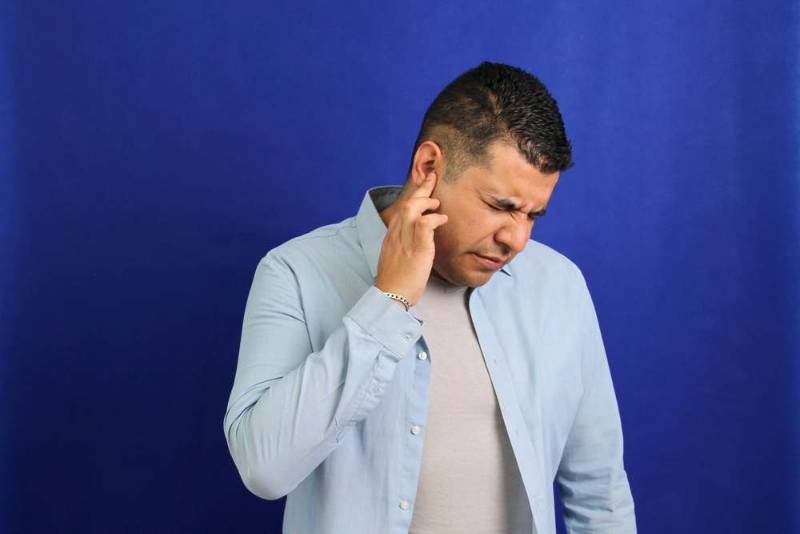
A perforated eardrum is one of the most common ear conditions nowadays, largely due to the spread of environmental and noise pollution. Among its key symptoms are hearing loss and tinnitus, and in some cases, the condition may progress to discharge of blood or pus from the ear.
The eardrum is a thin, flexible membrane that separates the outer ear from the middle ear. The outer ear collects sound, which causes the eardrum to vibrate. These vibrations are then sent as signals to the auditory nerve, which in turn transmits them to the brain to be interpreted as sound.
What Are the Symptoms of a Perforated Eardrum in Children and Adults?
Many patients may not realize they have a perforated eardrum until symptoms begin to appear. These can range from mild discomfort to severe pain. Common symptoms include:
- Ear pain, varying from mild to intense
- Discharge of blood or pus from the ear
- Tinnitus (ringing in the ear)
- Dizziness and imbalance, sometimes accompanied by nausea or vomiting
- Partial or complete hearing loss
- Fever
What Causes a Perforated Eardrum?
There are several possible causes, with middle ear infections being one of the most common. Such infections can increase pressure within the ear, which in turn puts excessive stress on the eardrum and may cause it to rupture.
Other common causes include:
- Inserting foreign objects into the ear (such as toys or thin sticks), a frequent cause in children
- Improper use of cotton swabs, pushing them too deeply into the ear canal
- Falling and hitting the ear or involvement in a car accident
- Receiving a blow to the ear during sports activities
- Sudden exposure to loud noises
- Barotrauma (pressure-related injury), often caused by:
- Driving through high-altitude roads
- Rapid changes in air pressure during airplane takeoff or landing
- Scuba diving with oxygen tanks
Diagnosing a Perforated Eardrum
Diagnosis begins with a detailed description of symptoms by the patient, followed by a physical examination and possibly some tests.
Doctors typically use an otoscope to examine the ear canal and eardrum. In some cases, earwax buildup may obscure visibility, requiring ear irrigation or ear drops to dissolve the wax.
Additional diagnostic methods may include:
- Pneumatic otoscopy: A rubber bulb is attached to the otoscope to gently puff air toward the eardrum. Movement of the eardrum indicates it's intact.
- Tuning fork test: Used to assess hearing function.
- Audiometry (hearing test): Exposes the patient to sounds of different frequencies to evaluate hearing levels.
- Tympanometry: Measures the movement of the eardrum to evaluate middle ear function.
- Ear discharge analysis: Helps identify if an infection is present.
How Is a Perforated Eardrum Treated?
A common question is whether a perforated eardrum heals on its own or requires surgery. The good news is that most cases heal naturally within three months without surgical intervention. Painkillers and antibiotics may be prescribed to manage symptoms or prevent infection.
❗ Note: There are no specific ear drops to "heal" a perforated eardrum, but antibiotic drops may be prescribed to treat or prevent infections.
Non-Surgical Treatment
You can follow some home-care tips to speed up healing:
- Avoid using ear drops without medical advice to prevent further damage.
- Apply a warm, dry compress to the outer ear several times a day to relieve discomfort.
- Do not blow your nose forcefully to reduce ear pressure.
- Cover the ear canal with a cotton ball coated in petroleum jelly before bathing to keep water out.
- Avoid swimming pools until the eardrum has healed.
Surgical Treatment
Surgery is only considered when the eardrum does not heal on its own. Surgical options include:
- Tympanoplasty using a skin or cartilage graft taken from another area of the patient’s body.
- Patch procedure, where a medical patch is placed over the hole to help it close.
What Are the Complications of a Perforated Eardrum?
While most cases resolve without issue, some may develop complications if untreated, including:
- Partial or complete hearing loss
- Middle ear infections, as the hole allows bacteria to enter
- Cholesteatoma (abnormal skin growth) in the middle ear due to debris entering the ear canal
How to Prevent a Perforated Eardrum?
Follow these preventive tips to protect your eardrum:
- Avoid standing near loudspeakers
- Clean only the outer ear with cotton; avoid inserting swabs deep into the ear canal
- Do not use ear drops without a doctor's recommendation
- See a doctor promptly for any signs of ear infections
- Chew gum or use earplugs designed for pressure equalization during flights
Conclusion
You should seek immediate medical attention if you notice any symptoms of a perforated eardrum. Proper prevention and early treatment are key to recovery. Ignoring the issue may lead to complications or even failed surgical repair.
If you still need to consult a doctor regarding this condition, you can easily book an appointment through Vezeeta
Related Keywords
Specialized Doctors



References
Mayo Clinic — Ruptured Eardrum: Symptoms & Causes
https://www.mayoclinic.org/ar/diseases-conditions/ruptured-eardrum/symptoms-causes/syc-20351879
Mayo Clinic — Ruptured Eardrum: Diagnosis & Treatment
https://www.mayoclinic.org/diseases-conditions/ruptured-eardrum/diagnosis-treatment/drc-20351884
MSD Manual — Eardrum Perforation: Causes and Treatment
https://www.msdmanuals.com/home/ear-nose-and-throat-disorders/middle-ear-disorders/eardrum-perforation
YourHealthGuide / GHC — Perforated Eardrum: Symptoms, Causes, Treatment & Prevention
https://www.ghc.sa/yourhealthguide/subjects/%D8%AB%D9%82%D8%A8-%D8%B7%D8%A8%D9%84%D8%A9-%D8%A7%D9%84%D8%A3%D8%B0%D9%86-perforated-eardrum/
Youm7 — “Ruptured Eardrum: Diagnosis and Treatment” (Arabic article)
https://www.youm7.com/story/2023/3/20/%D8%AA%D9%85%D8%B2%D9%82-%D8%B7%D8%A8%D9%84%D8%A9-%D8%A7%D9%84%D8%A3%D8%B0%D9%86-%D8%A7%D9%84%D8%AA%D8%B4%D8%AE%D9%8A%D8%B5-%D9%88%D8%A7%D9%84%D8%B9%D9%84%D8%A7%D8%AC/6117696
Specialized Doctors