Dry Mouth: Causes, Symptoms, Treatment, and When to See a Doctor
What Is Dry Mouth?
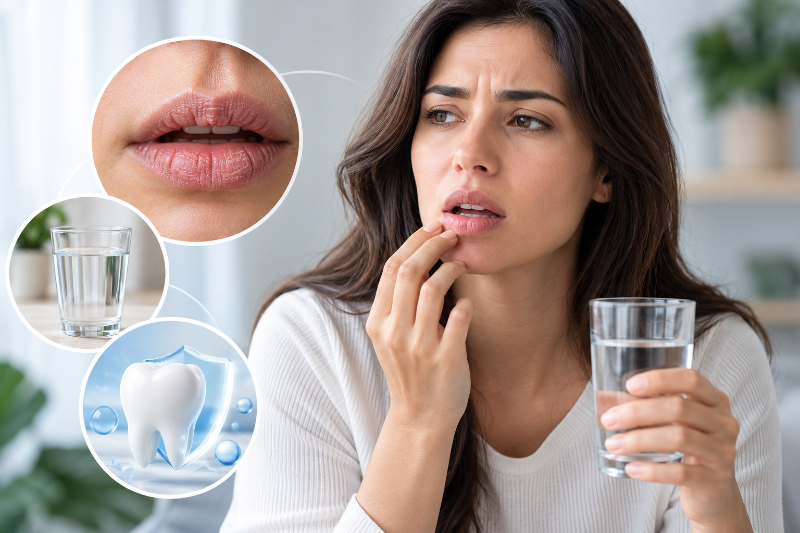
Dry mouth is the feeling that your mouth does not contain enough saliva. It occurs when the salivary glands produce less saliva than the mouth needs to stay moist. The medical term is xerostomia.
You may experience this feeling briefly when you are thirsty or stressed, and this is normal. Persistent dry mouth, however, often has a cause that needs to be investigated because saliva has more roles than you may realize. It moistens food and helps with chewing, swallowing, and tasting. It also washes food particles and sugar from your teeth, limits the growth of harmful bacteria, and contains calcium and phosphate, which help protect tooth enamel.
What Are the Symptoms of Dry Mouth?
The clearest symptom of dry mouth is a sticky or dry feeling inside the mouth. It is often accompanied by difficulty speaking or swallowing. Other signs may include:
- Thick or stringy saliva.
- Bad breath.
- Difficulty chewing and swallowing food, especially dry foods.
- A dry or sore throat and a hoarse voice.
- A dry, rough, or cracked tongue.
- Changes in your sense of taste.
- Burning or itching in the mouth or throat.
- Cracked lips or cracks at the corners of the mouth.
- Difficulty wearing or keeping dentures in place.
- Increased thirst.
If dry mouth occurs along with dry eyes, dry skin, or joint pain, tell your doctor. The combination may indicate an autoimmune disease such as Sjögren’s syndrome.
What Causes Dry Mouth?
The most common causes of dry mouth are medicine side effects, followed by insufficient fluids, mouth breathing, cancer treatment, and some chronic diseases. The details include:
Medicines
Many prescription and over-the-counter medicines can cause dry mouth as a side effect. Common examples include:
- Antidepressants and anxiety medicines.
- Some medicines for high blood pressure.
- Antihistamines and nasal decongestants.
- Muscle relaxants and some pain relievers.
- Anticholinergic medicines, such as some treatments for overactive bladder.
- Some medicines for Parkinson’s disease.
Important: If you suspect that a medicine is causing your dry mouth, do not stop taking it on your own. Speak with your doctor, who may adjust the dose or suggest a suitable alternative.
Dehydration and Insufficient Fluids
When you do not drink enough water or lose a large amount of fluid through heavy sweating, vomiting, diarrhea, or fever, saliva production decreases and your mouth becomes dry. This type of dry mouth usually improves after replacing lost fluids.
Cancer Treatments
Chemotherapy may change the composition of saliva and reduce its amount. Radiation therapy to the head and neck may damage the salivary glands. This damage may be temporary or permanent, depending on the dose and the treated area. Immunotherapy may also make saliva thicker.
Chronic and Autoimmune Diseases
Dry mouth is associated with several health conditions, including:
- Sjögren’s syndrome: An autoimmune disease in which the immune system attacks the salivary and tear glands, causing dry mouth and dry eyes together.
- Diabetes: Its relationship with dry mouth is explained in more detail below.
- Stroke and Alzheimer’s disease.
- Human immunodeficiency virus (HIV).
- Oral fungal infection, also called oral thrush.
- Salivary gland stones or inflammation, which can block saliva from reaching the mouth.
Nerve Damage
An injury or surgery involving the head or neck may affect the nerves that control saliva production, reducing the amount of saliva released.
Smoking, Alcohol, and Anxiety
Smoking, chewing tobacco, and drinking alcohol can increase dry mouth. Stress and anxiety may also cause temporary dryness. For example, you may notice that your mouth becomes dry before an important interview or when speaking in front of other people.
Causes of Dry Mouth During Sleep
If you wake up with an extremely dry mouth, the most likely cause is mouth breathing during sleep. This usually happens because of nasal blockage from a cold or allergies, or because of snoring. Saliva production also naturally decreases during sleep, making the effect of any other cause more noticeable at night.
Factors that may increase nighttime dry mouth include:
- Taking medicines that cause dryness immediately before bed, such as some sleeping medicines or antihistamines. You can ask your doctor whether you can take them in the morning instead of at night.
- Sleeping with dentures in.
- Dry air in the room. A cool-mist humidifier may help relieve it.
- The chronic diseases mentioned earlier, such as diabetes and Sjögren’s syndrome.
If snoring is persistent or is accompanied by pauses in breathing or severe daytime sleepiness, consult a doctor to assess your breathing during sleep.
Is Dry Mouth a Sign of Diabetes?
Yes, dry mouth may be a sign of high blood sugar, but it is not enough on its own to diagnose diabetes because it has many other possible causes.
Diabetes may be linked to dry mouth in several ways:
- High blood sugar causes the body to remove excess sugar through urine, leading to greater fluid loss and less saliva.
- Some diabetes medicines may cause dry mouth as a side effect.
- Blood pressure medicines, which many people with diabetes need, may also cause dryness.
- Kidney disease resulting from long-term high blood sugar may contribute to the problem.
Pay attention if dry mouth occurs with other symptoms such as severe thirst, frequent urination, fatigue, unexplained weight loss, blurred vision, or slow-healing wounds.
In this case, ask your doctor to check your blood sugar. If you already have diabetes, keeping your blood sugar within the appropriate range may help reduce dry mouth.
What Are the Complications of Dry Mouth?
Dry mouth may seem like a minor problem, but ignoring it for a long time can affect your teeth and overall health because the mouth loses its natural protection. Complications may include:
- Increased tartar and tooth decay.
- Gum disease.
- Mouth ulcers.
- Oral fungal infection, or thrush.
- Cracked lips and cracks at the corners of the mouth.
- Poor nutrition because of difficulty chewing and swallowing.
- Loose dentures and irritated gums underneath them.
How Is Dry Mouth Diagnosed?
Diagnosis begins with questions about your symptoms, how long they have lasted, and the medicines you take, followed by an examination of your mouth. A dentist or doctor looks for dryness of the tongue and inner cheeks, as well as signs of tooth decay and gum disease.
Depending on your condition, the doctor may request:
- Measurement of the amount of saliva your mouth produces over a specific period.
- Blood tests to check for diabetes or autoimmune diseases.
- Tests of the salivary glands if stones or inflammation are suspected.
Because dry mouth is a symptom rather than an independent disease, the aim of diagnosis is to identify its underlying cause.
What Is the Treatment for Dry Mouth?
Treatment depends on the cause. It aims to increase or replace saliva and protect your teeth and gums from complications. The treatment plan may include:
Treating the Cause
- If a medicine is responsible, the doctor may adjust its dose or timing, or replace it with another medicine.
- If the cause is a chronic disease such as diabetes, controlling the disease will often reduce dryness.
- If nasal blockage is responsible, treating allergies or congestion may help you return to breathing through your nose.
Home Treatment for Dry Mouth
You can relieve symptoms with simple steps:
- Take small sips of water throughout the day, and keep a glass of water beside your bed.
- Chew sugar-free gum or suck on sugar-free candy to stimulate saliva production.
- Suck on ice cubes.
- Drink water with meals to make chewing and swallowing easier.
- Use lip balm if your lips are dry.
- Run a humidifier in the bedroom.
- Reduce tea, coffee, and fizzy drinks.
- Avoid acidic, spicy, salty, and sugary foods because they may irritate a dry mouth.
- Avoid smoking.
Medicines for Dry Mouth
If home measures are not enough, your doctor or pharmacist may suggest:
- Saliva substitutes: These are available as gels, sprays, or lozenges. They moisturize the mouth temporarily and are not suitable for everyone, so ask which type is right for you. If you have natural teeth, avoid acidic products.
- Medicines that stimulate saliva production: These include pilocarpine and cevimeline. They are available only by prescription, are not suitable for every patient, and may require some time for the doctor to assess their benefit.
How Can You Protect Your Teeth from Dry Mouth Complications?
There is no guaranteed way to prevent every case of dry mouth. However, good oral care can greatly reduce the risk of tooth decay and gum disease caused by it:
- Brush your teeth twice a day with fluoride toothpaste.
- Clean between your teeth with dental floss every day.
- Use an alcohol-free mouthwash.
- Remove your dentures before bed and clean them thoroughly.
- Visit your dentist regularly for examinations and cleaning, and tell them that you have dry mouth.
When Should You See a Doctor About Dry Mouth?
Dry mouth is rarely serious, but consult a doctor if:
- It continues for several weeks despite home treatment or pharmacy products.
- Speaking or eating becomes difficult.
- Changes in your sense of taste continue.
- You notice pain, redness, swelling, or bleeding in your mouth.
- Painful white patches appear inside your mouth.
- You suspect that a medicine you take is causing it.
- Dry mouth occurs with severe thirst, frequent urination, or dry eyes.
Temporary dry mouth after a hot day or during a stressful moment is usually not a cause for concern. If it becomes part of your daily life or wakes you from sleep, it is a message from your body that deserves attention. Start with home measures, review your medicines with your doctor, and take care of your dental hygiene. If dry mouth continues for several weeks or appears with other symptoms, schedule an appointment at Andalusia Hospitals so a doctor can identify the cause and develop a suitable treatment plan.
If you still need a doctor’s consultation regarding this condition, you can easily book an appointment through Vezeeta
Related Keywords


Specialized Doctors

Amira Gamea
Consultant in general internal medicine, diabetes and gastroenterology at Police Authority Hospitals

Ahmed El Gammal
Consultant of Internal Medicine and Diabetology

Saeed Mohamed Aid
Consultant And Professor of internal medicine,and nephrology-Faculty Of Medicine- Zagazig University.
References
https://www.mayoclinic.org/diseases-conditions/dry-mouth/symptoms-causes/syc-20356048
https://www.nhs.uk/symptoms/dry-mouth/
https://medlineplus.gov/drymouth.html
https://www.nidcr.nih.gov/health-info/dry-mouth
https://www.ada.org/resources/ada-library/oral-health-topics/xerostomia
https://www.cdc.gov/diabetes/signs-symptoms/
https://www.niams.nih.gov/health-topics/sjogrens-disease
Specialized Doctors
Amira Gamea
Consultant in general internal medicine, diabetes and gastroenterology at Police Authority Hospitals
Ahmed El Gammal
Consultant of Internal Medicine and Diabetology
Saeed Mohamed Aid
Consultant And Professor of internal medicine,and nephrology-Faculty Of Medicine- Zagazig University.