

Drug Test: Types, How to Read Your Result, and Medicines That Can Cause a False Positive
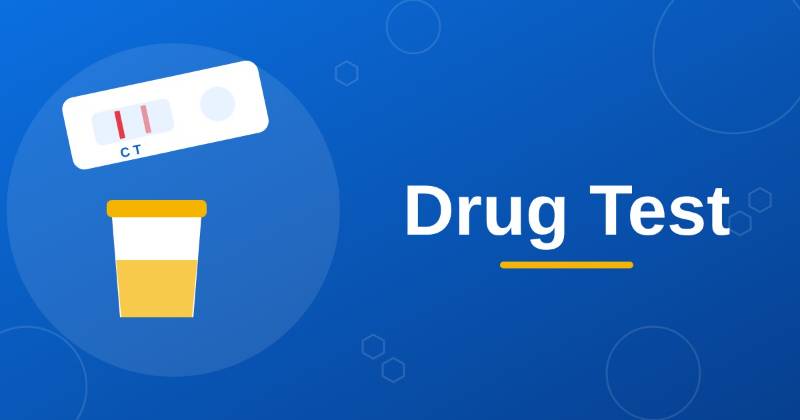
A drug test checks a body sample for illegal drugs or certain medicines. Urine is the most common sample, but blood, saliva, and hair can also be used. Testing usually happens in two stages: a quick initial screen, then a more accurate confirmatory test if the screen is positive. Some medicines and foods can cause a false positive on the screen, so it is important to tell the lab about everything you take before the test.
In this guide, you will learn about the types of drug tests, which substances they detect, how to read a test strip and a lab report, which medicines may show up, why trying to "spoil" a sample does not work, and how to book the test through the Vezeeta app.
What Is a Drug Test?
A drug test looks for a substance itself or the products the body makes when breaking it down. How long a substance remains detectable ranges from hours to several days or more, depending on the type of drug, the amount, how long it has been used, and how the body handles it. So there is no single detection time that applies to everyone.
Drug tests are requested for different reasons, including:
- Screening required for employment or for some licences and permits.
- Assessing an emergency, such as loss of consciousness, poisoning, or sudden behaviour change.
- Following addiction treatment programmes and checking adherence.
- Monitoring patients on strong medicines, such as some painkillers, to make sure they are used correctly.
Types of Drug Tests by Sample
- Urine — How it is taken: Sample in a sterile cup, sometimes supervised · Notes: Most common; usually starts with a rapid strip
- Blood — How it is taken: Drawn from a vein in the arm · Notes: Useful in emergencies and reflects the substance at the time of the draw
- Saliva — How it is taken: Mouth swab · Notes: Quick and easy; used by some testing bodies
- Hair, nails, or sweat — How it is taken: Sample of hair or nails · Notes: Less common; may reflect use over a longer period
- Breath — How it is taken: Breathalyser · Notes: Measures blood alcohol
Screening test and confirmatory test
The initial screen, such as a urine drug test strip, is quick and inexpensive, but it can react with other substances and give a false positive. When a screen is positive, a confirmatory test is usually done in the lab using more accurate and sensitive methods that identify the exact substance and distinguish it from similar medicines. No one should be judged on a screening strip alone.
Which Substances Does a Drug Test Detect?
The substances detected depend on the strip or panel requested by the doctor or employer. Common ones include:
- Cannabis (THC).
- Opiates: such as heroin, morphine, and codeine.
- Tramadol, one of the most frequently requested substances in Egypt.
- Amphetamines and methamphetamine, including some forms of "ice" and ecstasy (MDMA).
- Cocaine.
- Benzodiazepines: sedatives and sleeping medicines such as alprazolam.
- Barbiturates: such as phenobarbital.
- Synthetic drugs and others depending on the panel.
What is a 7-panel drug test?
A 5-, 7-, or 10-panel test refers to the number of substance groups detected in one sample. A 7-panel test checks for seven groups at the same time, and the groups included differ between labs, so ask the lab which substances the panel covers before booking and make sure it matches what is required.
Drug Test Abbreviations
Most labs write substance names as English abbreviations. The most common are:
- THC: Cannabis
- MOR / OPI: Morphine and opiates
- TRA / TML: Tramadol
- AMP: Amphetamine
- MET / MAMP: Methamphetamine
- MDMA: Ecstasy
- COC: Cocaine
- BZO: Benzodiazepines (sedatives)
- BAR: Barbiturates
- MTD: Methadone
Does a Drug Test Require Fasting? How to Prepare
No fasting is needed, but a few steps help make the result accurate:
- Tell the lab or doctor about all prescribed medicines, over-the-counter medicines, and supplements; bringing the prescription or the medicine box helps.
- Do not stop any prescribed medicine without talking to your doctor.
- Avoid poppy seeds before the test, because they can show up as opiates on the screen.
- Follow the lab's instructions for collecting urine; some bodies require supervised collection or check the sample's temperature to confirm it is valid.
How to Read a Drug Test Result
How to read a drug test strip
Rapid strips usually work the opposite way to a home pregnancy test, so most are read as follows:
- Two lines: one at C and one at T (even if faint): Negative: the substance is absent or below the cut-off
- One line at C only: Preliminary positive: needs a confirmatory test
- No line at C: Invalid strip; repeat the test
This is what a negative drug test looks like on most strips, but reading can differ by manufacturer, so always follow the strip's instructions and the lab's interpretation.
Reading a lab report
- Negative: the substance was not found, or was below the positive cut-off.
- Positive: the substance was found at a level suggesting use; if this came from a screen, it should be confirmed.
- Cut-off: the threshold the lab uses to separate negative from positive for each substance, sometimes printed beside the result.
A positive result means the substance was found in the sample, but it does not on its own diagnose addiction or tell exactly when or how much was used.
Medicines That May Show Up on a Drug Test
Some medicines can give a positive screen, either because they contain a substance the panel detects or because they react with the strip. Examples include:
- Medicines that contain controlled substances: such as some strong painkillers, benzodiazepine sedatives, and some epilepsy medicines. These will show up because they are the very substance being tested.
- Medicines that may interfere with the screen: such as some antidepressants, some cold and decongestant medicines, and some psychiatric medicines. The confirmatory test settles the question.
- Poppy seeds: may show up as opiates.
Common medicines such as aspirin, birth control pills, routine antibiotics, and Viagra are not usually among the substances drug panels look for. In every case, the right approach is to tell the lab about any medicine before the test and to request a confirmatory test if the screen is positive.
Can You "Spoil" a Drug Test? Why It Does Not Work
A very common search is whether vinegar, drinking lots of water, or adding something to the sample can "spoil" the test. Medically, labs check the validity of the sample itself, not only the drugs. They measure things like urine concentration, acidity, colour, temperature, and the level of natural substances. If a sample is found to be very diluted, altered, or not genuine, it is rejected or a repeat test is requested, and this may be noted on the report.
Drinking very large amounts of water before a test can also be dangerous, because it may cause a severe drop in blood sodium. If you take medicines you worry may affect the result, the right path is to tell the lab, bring your prescription, and ask for a confirmatory test when needed.
If you use drugs and want to stop
If you are asking "I have a drug test tomorrow, what should I do?" because you use cannabis or another substance and want to stop, this is a good moment to ask for help. You can book an internal medicine doctor for an initial assessment, or a psychiatrist who treats addiction. Stopping some substances suddenly can cause withdrawal symptoms that need medical follow-up, and treatment is available and confidential.
Tramadol Testing in Blood and Urine
Tramadol is a strong prescription painkiller, but it is one of the most commonly misused substances in Egypt, so it is included in most drug panels. It can be detected in two ways:
- In urine: as part of a rapid strip or lab panel, usually reported as positive or negative.
- In blood (tramadol level): a quantitative test that measures the concentration of the drug at the time of the draw. It is requested in situations such as suspected poisoning or overdose, or to follow a patient taking the medicine under medical supervision.
If tramadol has been prescribed for you, it is expected to show up, so keep your prescription and show it to the lab or the requesting body. High doses of tramadol, or mixing it with alcohol or sedatives, can cause seizures or slowed breathing, which need emergency care immediately.
When Do You Need Urgent Medical Care?
If a drug test is being done because of an emergency, do not wait for the result. Go to the emergency department immediately if someone who took a drug or too much of a medicine has any of these signs:
- Loss of consciousness or difficulty waking up.
- Very slow or stopped breathing, or blue lips.
- Seizures.
- Chest pain or a very fast heartbeat.
- Very high temperature, severe agitation, or confusion.
In these situations, tell the medical team what substance or medicine was taken if possible; this helps treatment more than the test result itself.
Drug Testing During Pregnancy
A drug test may be requested during pregnancy in certain situations, such as past use or an emergency. It is read in the same way, but the pregnant woman should tell her doctor about all her medicines, because some medicines prescribed in pregnancy can show up on a screen. Most importantly, using drugs during pregnancy affects the baby's health, and seeking medical help early is the best choice for mother and child.
When Is the Result Ready?
A strip screen gives a result within minutes, while a confirmatory lab test takes longer, sometimes several days depending on the lab and the method. Ask the lab about the expected delivery time when you book, especially if you need the result for an employer by a specific date.
Drug Test Price in Egypt
The price of a drug test varies by sample type, the number of substances in the panel (single, 5-, 7-panel, or more), whether a confirmatory test is included, and the lab and area. So first confirm which substances you need tested, then compare the available labs on the Vezeeta app.
Book Your Drug Test Through the Vezeeta App
Lab tests are booked through the Vezeeta app. Download it and book your Drug Test in a few steps:
- Download the Vezeeta app: Android (Google Play) or iPhone (App Store).
- Open the lab tests section and search for the test name exactly as written on your doctor's request.
- Compare the available labs near you and their prices.
- Book the time that suits you and confirm your booking.
- When your result is ready, review it with your doctor.
If you have regular tests, activate Vezeeta Shamel from the app to save up to 80% on eligible lab tests and imaging, up to 40% on eligible consultations and medical services, and up to 16% on eligible pharmacy supplies within the participating network.
Frequently Asked Questions
Do birth control pills affect a drug test?
No. Birth control pills are not among the substances drug panels detect and do not usually affect the result.
Does Viagra show up on a drug test?
No. Viagra is not part of standard drug panels.
Does aspirin affect a drug test?
No. Aspirin does not hide drugs and does not usually change the result.
Does vinegar spoil a drug test?
Adding vinegar or anything else to a sample changes its properties in a way the lab detects during validity checks, so the sample is rejected or a repeat is requested.
Is a blood test better than a urine test for drugs?
A blood test usually reflects a substance present close to the time of the draw, while a urine test detects use over a relatively longer period. The doctor or requesting body chooses the sample according to the purpose.
Does a positive strip mean I use drugs?
Not necessarily. A screen can be falsely positive because of certain medicines, and it should be confirmed with a lab confirmatory test.
Conclusion
A drug test detects illegal drugs or certain medicines in urine, blood, or other samples. It usually starts with a screen, followed by a more accurate confirmatory test. No fasting is needed, but telling the lab about all your medicines is essential to avoid misinterpretation. Labs detect attempts to tamper with samples; the right approach is to disclose your medicines and request confirmation, and if you want to stop using a substance, seeking medical help is the most important step.
Download the Vezeeta app on Android or iPhone, book your Drug Test now, and review your result with the right doctor.


References
- MedlinePlus (NIH) — Drug Testing. https://medlineplus.gov/lab-tests/drug-testing/ — Last updated 14 November 2025


