Domestic Violence Against Children: Causes and Treatment
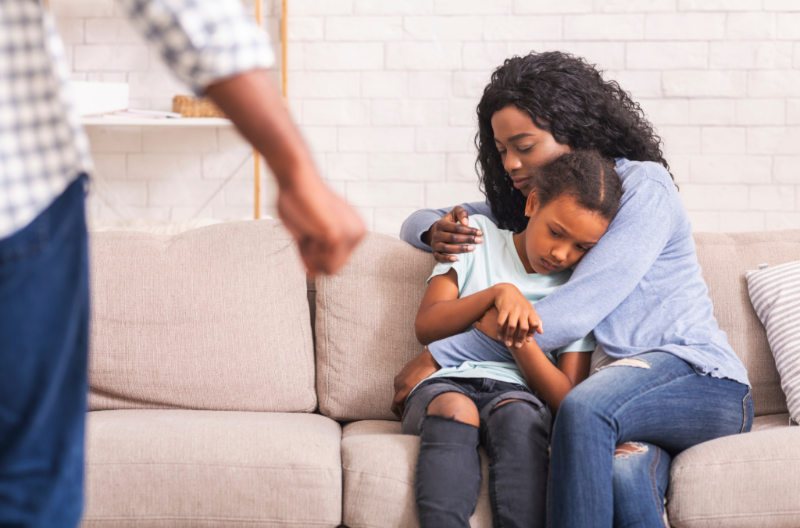
Some people believe that domestic violence is limited to physical assault, but it is far more complex — encompassing a broad spectrum of behaviors ranging from emotional and sexual abuse to financial control.
Let’s explore the types, causes, and effects of domestic violence, along with ways to face and escape it.
What Is Domestic Violence?
Domestic violence, also known as domestic abuse, is a pattern of aggressive behavior used by one partner to control and maintain power over the other.
The abuse may not always be obvious — often manifesting in emotional and psychological manipulation rather than physical harm. It includes various forms such as emotional, physical, economic abuse, and more, with significant consequences on the victim’s well-being.
Domestic abuse can also take the form of verbal and psychological intimidation, unjust blame, persistent humiliation, and mental manipulation.
Importantly, it does not only occur between spouses — it can affect individuals of all ages and genders, including children, the elderly, and domestic helpers.
Are You a Victim of Domestic Violence?
Domestic violence can appear in many forms. To assess whether you might be experiencing it, consider the following questions:
- Are you physically hurt — hit, kicked, or otherwise harmed — by someone?
- Are you mocked or ridiculed in public or private?
- Are you threatened or made to feel afraid?
- Do you feel unable to make your own decisions?
- Are you frequently blamed for how others feel?
- Is your partner preventing you from doing things you enjoy?
- Are you repeatedly punished?
- Do you constantly try to change yourself to please someone else?
- Do you frequently make excuses for someone’s behavior?
- Is your partner controlling where you go, who you see, or stopping you from leaving the house?
If you answered "yes" to any of these, you may be experiencing domestic abuse and should consider seeking help.
What are the Signs Someone May Be Experiencing Domestic Violence?
Some people hide their suffering. Recognizing the signs can help:
- Constant anxiety about pleasing their partner
- Wearing inappropriate clothing for the season to hide injuries
- Lack of access to money
- Frequent physical injuries
- Sudden personality changes or low self-esteem
- Constantly explaining themselves or justifying their actions
- Unexplained social withdrawal
- Frequently missing work or school
What are Causes of Domestic Violence?
There’s no justification for abuse, but certain risk factors may contribute:
- Feelings of inadequacy
- Jealousy
- Low self-esteem
- Personality disorders
- Substance or alcohol abuse
- Poor anger management
- Cultural beliefs condoning abuse, especially against women
- History of childhood abuse
- Low education level
What are Types of Domestic Violence?
Domestic abuse goes beyond physical violence. Other forms may be just as — or even more — damaging.
1. Emotional or Psychological Abuse
Designed to destroy self-confidence and inner peace through:
- Emotional blackmail
- Isolation and control
- Constant criticism
- Threats (direct or indirect)
- Creating chaos or confusion
- Unrealistic demands
- Ignoring or invalidating emotions
2. Physical Abuse
One of the most recognized forms, including:
- Hitting, kicking, slapping, burning, or biting
- Forceful restraint or pushing
- Withholding necessary care or medication
- Denial of basic needs like food, sleep, or shelter
- Forcing the victim out of the home
3. Sexual Abuse
Many individuals, especially women, face sexual abuse or rape, as highlighted by the 2022 National Intimate Partner and Sexual Violence Survey.
4. Financial or Economic Abuse
In this form, the abuser controls or denies access to financial resources, such as:
- Withholding money or preventing employment
- Stealing savings
- Managing funds without consent
- Especially affects the elderly who may be denied money for medication or essentials
5. Social Isolation
Involves:
- The victim withdrawing to avoid revealing abuse
- The abuser distancing the victim from family, friends, and support networks
6. Stalking
This may occur during or after a relationship and includes:
- Constant monitoring of the victim’s messages or movements
- Unwanted appearances or surveillance
- Breaking into the victim’s home
- Harassment disguised as care
What to Do If You’re Facing Domestic Violence?
1. Make an Escape Plan
- Identify safe places and trusted individuals for help.
- Pack a bag with essentials (clothes, documents, money) and leave it with someone safe.
- Set a coded emergency word with someone you trust.
2. Keep Evidence
- Save threatening messages or take photos of physical injuries.
3. Know the Support Services
- Keep the numbers of support centers or the police readily accessible.
What is happen while Reporting Domestic Violence in Saudi Arabia?
Procedures may vary by country. In Saudi Arabia:
- Cases are assessed by psychological and social specialists.
- Support includes mental health counseling and follow-up.
- Serious cases are escalated to security authorities to protect victims and deal with perpetrators.
In Conclusion
Never hesitate to help someone facing domestic abuse. Listen, validate their experiences, and support them in seeking help and breaking free. If you are a victim, trust that you are not alone — reach out to someone you trust and take that first step toward safety.
If you still need to consult a doctor regarding this condition, you can easily book an appointment through Vezeeta
Related Keywords



References
World Health Organization (WHO). Child maltreatment. Available at: https://www.who.int
UNICEF. Violence against children. Available at: https://www.unicef.org
Centers for Disease Control and Prevention (CDC). Preventing child abuse and neglect. Available at: https://www.cdc.gov
American Academy of Pediatrics (AAP). The impact of violence on children. Available at: https://www.aap.org
National Child Traumatic Stress Network (NCTSN). Effects of abuse and trauma on children. Available at: https://www.nctsn.org
Child Welfare Information Gateway. Understanding child abuse and neglect. Available at: https://www.childwelfare.gov