Do Ozempic injections really help you lose excess weight safely?
What Are Ozempic Injections?
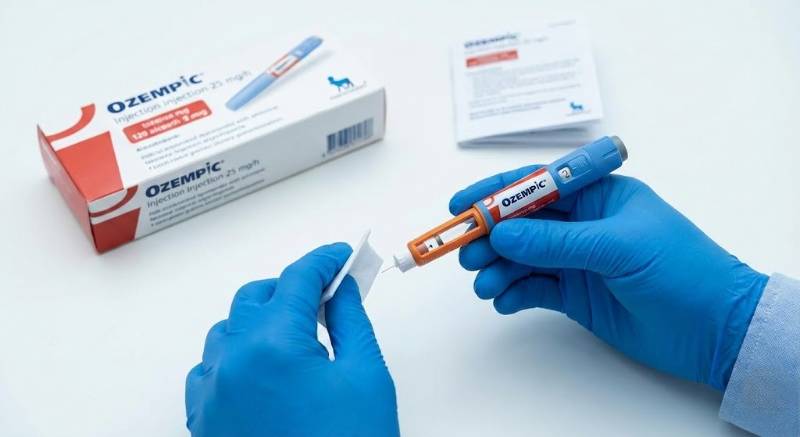
Ozempic injections are classified as a medication containing the active ingredient semaglutide, and they are primarily used to treat type 2 diabetes. This substance works in a way similar to a natural hormone released by the body after eating.
Ozempic helps lower blood sugar levels by stimulating insulin secretion when blood glucose rises and reducing the liver’s release of glucose. It also slows down the digestion of food, which helps you feel full for a longer time, reduces appetite, and regulates digestion.
What Are the Benefits of Ozempic for Weight Loss?
Although Ozempic is officially approved for diabetes treatment, its strong ability to promote weight loss has made it a popular off-label option for slimming. Its main benefit lies in its direct effect on appetite centers in the brain, as it sends signals that increase feelings of fullness and reduce cravings, especially for sugary and high-fat foods.
Slowing the movement of food from the stomach to the intestines helps maintain stable energy levels, reducing sudden hunger episodes. Clinical studies have shown that people who used semaglutide alongside lifestyle changes—such as a healthy diet and physical activity—achieved noticeable reductions in body weight and improvements in overall health markers associated with obesity.
Ozempic Injections for Diabetes
Ozempic is an important option for patients with type 2 diabetes, as it helps control the condition and reduce the risk of complications.
Its role is not limited to lowering HbA1c levels; it also contributes to cardiovascular protection. Studies have shown that semaglutide reduces the risk of heart attacks and strokes in people with diabetes, especially those with existing heart conditions. It also helps the body use insulin more efficiently, reducing the burden on the pancreas.
In addition, the weight loss associated with treatment improves insulin sensitivity and helps achieve long-term diabetes control, reducing complications such as nerve and kidney damage.
How to Use Ozempic Injections
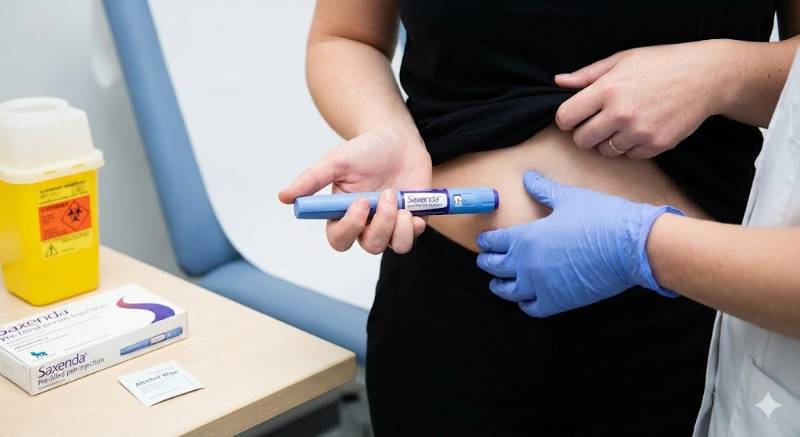
Ozempic comes in ready-to-use injection pens that allow easy dose adjustment. It is administered as a subcutaneous injection once weekly, on the same day each week. The injection can be taken at any time of day, with or without food.
Preferred injection sites include the abdomen (at least two inches away from the navel), the front of the thigh, or the upper arm. It is important to rotate injection sites each time to reduce the risk of skin irritation or lumps under the skin.
If a dose is missed, it can be taken as soon as remembered if there are more than 48 hours remaining before the next scheduled dose.
Ozempic Dosages
Ozempic is available in different strengths to allow the body to gradually adapt to the medication and reduce gastrointestinal side effects. Treatment usually begins with a low dose of 0.25 mg once weekly for 4 weeks, which is a starter dose intended to prepare the digestive system rather than fully control blood sugar. The dose is then increased to 0.5 mg weekly.
If target health goals are not achieved, the doctor may increase the dose to 1 mg, or up to a maximum of 2 mg weekly. The appropriate dose depends on the individual patient’s response and tolerance, and the dose should never be changed without medical consultation.
When Does Ozempic Start Working?
Ozempic begins working as soon as the active ingredient enters the bloodstream, with blood sugar levels starting to stabilize within the first few days. As for reduced appetite and slower gastric emptying, it may take 2 to 4 weeks for patients to notice a clear difference in how much they eat.
The medication reaches steady levels in the body after about 4 to 5 weeks of regular use. It is important to understand that final results—whether in HbA1c reduction or noticeable weight loss—usually appear only after several months of consistent weekly dosing and adherence to dietary guidelines.
How Much Weight Can You Lose with Ozempic?
Weight-loss results with Ozempic vary widely from person to person, as factors such as starting weight, age, and physical activity play a major role. Clinical studies indicate that users may lose approximately 5% to 15% of their total body weight over 6 to 12 months of continuous use at therapeutic doses.
For example, a person weighing 100 kg may expect to lose between 5 and 15 kg. Some cases have reported greater losses when injections are combined with a strict diet and regular exercise. It is important to emphasize that Ozempic is not a temporary solution, but a tool that helps change eating behavior for sustainable results.
When Does the Effect of Ozempic Wear Off?
Semaglutide has a long half-life of about one week, which is why it is taken once weekly. However, the medication remains in the body and continues to have effects for about 5 to 7 weeks after the last dose before it is completely eliminated.
Once the medication’s effect fades, gastric emptying gradually returns to normal, and appetite may increase again. This gradual decline means that some weight regain may occur if healthy eating habits were not established during treatment, and blood sugar levels may also be affected as the drug’s protective effect diminishes.
Side Effects of Ozempic
Despite its benefits, Ozempic may cause some side effects, the most common being gastrointestinal issues such as:
- Nausea
- Vomiting
- Diarrhea or constipation, especially at the start of treatment or when increasing the dose
These symptoms are usually mild and subside as the body adapts to the medication.
More serious but rare risks include:
- Acute pancreatitis
- Vision changes
- Kidney problems
Animal studies have shown a potential risk of thyroid tumors; therefore, Ozempic is contraindicated in individuals with a family history of medullary thyroid carcinoma. It is essential to monitor any unusual symptoms and contact a doctor immediately if severe abdominal pain or neck swelling occurs.
Conclusion
In conclusion, Ozempic injections are an effective medical option for patients with diabetes and certain cases of obesity when used correctly. However, they are not a quick fix, but rather a treatment that requires medical follow-up and commitment to a healthy lifestyle. Consulting a physician remains the most important step to achieve the best results while ensuring your safety.
If you still need to consult a doctor regarding this condition, you can easily book an appointment through Vezeeta
Related Keywords




References
- https://www.mayoclinic.org/drugs-supplements/semaglutide-subcutaneous-route/description/drg-20406730
- https://www.google.com/search?q=https://my.clevelandclinic.org/health/treatments/25181-semaglutide
- https://www.healthline.com/health/drugs/ozempic-dosage
- https://www.google.com/search?q=https://www.webmd.com/drugs/2/drug-174490/ozempic-subcutaneous/details
- https://www.google.com/search?q=https://www.medicalnewstoday.com/articles/ozempic-for-weight-loss
- https://medlineplus.gov/druginfo/meds/a618008.html