Dental Prosthetics: Your Path to a Bright, Attractive Smile
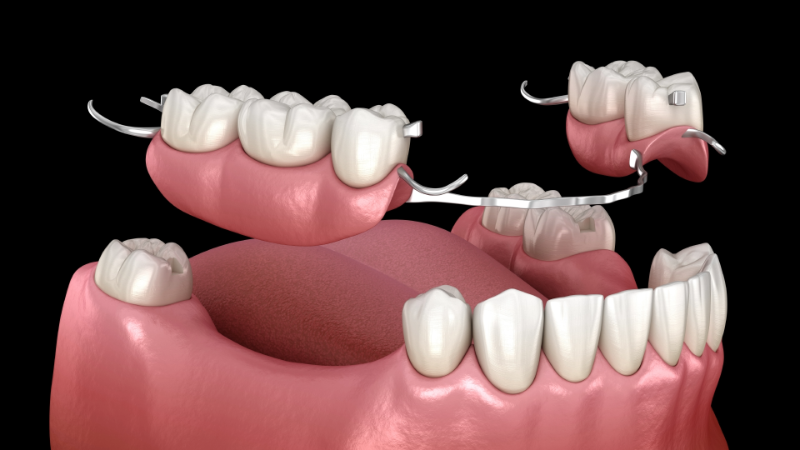
The loss of a single tooth can significantly impact the harmony and beauty of your smile, often making it feel incomplete. Since their introduction, dental prosthetics have become a popular solution for patients of all ages, offering aesthetic and functional restoration.
What Are Dental Prosthetics?
Dental prosthetics are permanent or removable solutions designed to replace missing teeth and close gaps caused by tooth loss or damage to the upper crown of a tooth.
Each natural tooth consists of:
- The root: Anchored within the jawbone, responsible for tooth stability and bearing chewing forces.
- The crown: The visible part of the tooth responsible for chewing and adding to the smile's appearance.
When either or both parts are compromised, dental prosthetics—whether fixed or removable—can restore the tooth based on the patient’s needs.
What are Benefits of Dental Prosthetics?
Dental prosthetics offer a range of benefits, including:
- Replacing missing or congenitally absent teeth.
- Restoring natural tooth shape and addressing damage from decay or breakage.
- Regaining chewing function.
- Reinforcing weakened crowns.
- Closing unsightly gaps between teeth.
- Acting as a cost-effective alternative to dental implants.
- Cosmetic correction of internal discoloration or enamel hypoplasia.
What are Types of Dental Prosthetics?
Dental prosthetics come in various forms. Each type has its advantages and limitations. A dentist can recommend the best option based on your oral health and preferences.
1. Removable Dental Prosthetics
Also known as dentures, these are detachable appliances that include:
- Full Dentures: Replace all teeth in the upper or lower jaw. Their stability can be limited due to the lack of anchor teeth.
- Partial Dentures: Replace one or more teeth using metal clasps anchored to adjacent natural teeth.
- Snap-On Smile (removable veneers): Flexible molds matching your tooth color. They are easy to wear and remove, making them a non-invasive, temporary solution—though not highly durable.
2. Fixed Dental Prosthetics
Popular for their stability, fixed prosthetics offer a middle ground between implants and removable dentures. Types include:
- Metal Crowns: Among the earliest options—durable but lacking in aesthetic appeal.
- Porcelain-Fused-to-Metal (PFM): Combine a metal base with a porcelain exterior for improved appearance and strength.
- Zirconia Crowns: Metal-free with excellent aesthetics that closely mimic natural teeth.
- E-max Crowns: The most aesthetic option available today, though they tend to be pricier.
Who’s a Candidate for Dental Prosthetics?
Most people can benefit from dental prosthetics, though some conditions may reduce their suitability:
- Heavy smoking: Leads to gum disease and staining.
- Poor oral hygiene: Increases the risk of complications.
- Uncontrolled diabetes: Affects gum and bone health.
- Bruxism (teeth grinding): Can damage prosthetics.
- Inadequate space between upper and lower jaws.
- Unstable supporting teeth.
What are Post-Prosthetic Care Tips?
Dental prosthetics offer natural-looking and functional results, but proper care is essential:
- Expect some adaptation time for speech and comfort.
- Wear removable prosthetics consistently to allow oral muscles to adjust.
- Clean both teeth and prosthetics daily.
- Remove dentures during sleep and store in clean water.
- Avoid smoking.
- Contact your dentist if the prosthetic feels high or causes irritation.
What are the Possible Side Effects?
When placed correctly, prosthetics rarely cause issues. However, potential side effects may include:
- Tooth sensitivity or root canal treatment due to extensive tooth reduction.
- Wear on opposing natural teeth from fixed prosthetics.
- Gum ulcers from poorly fitting removable appliances.
- Bad breath from poor hygiene.
- Loosening of supporting teeth.
- Gum inflammation or recession.
Proper dental evaluation, fabrication, and post-care significantly minimize these risks.
What is the Cost of Dental Prosthetics in Egypt?
The price varies based on several factors:
- Type of prosthetic (removable vs. fixed, zirconia vs. metal).
- Quality of dental clinic and equipment.
- Dentist’s experience.
- Number of teeth to be replaced.
- Additional treatments required (e.g., fillings or root canals).
- Location of the clinic.
Final Thoughts
Dental prosthetics have revolutionized tooth replacement, helping restore function and aesthetics for thousands. With options ranging from fixed to removable, and materials like zirconia and porcelain, patients can choose what best fits their needs and budget—bringing back smiles with confidence.
If you still need to consult a doctor regarding this condition, you can easily book an appointment through Vezeeta
Related Keywords


References
American Dental Association (ADA). Crowns and Bridges: Restoring Damaged or Missing Teeth
https://www.ada.org
Mayo Clinic. Dental Crowns and Bridges: Procedure, Risks, and Benefits
https://www.mayoclinic.org
Cleveland Clinic. Dental Crowns and Bridges: Purpose, Procedure, and Aftercare
https://my.clevelandclinic.org
Healthline. Dental Crowns and Bridges: Types, Costs, and What to Expect
https://www.healthline.com
WebMD. Dental Crowns and Bridges: How They Work and When You Need Them
https://www.webmd.com/oral-health/guide/dental-crowns-bridges