

Cal Preg 30 tablets
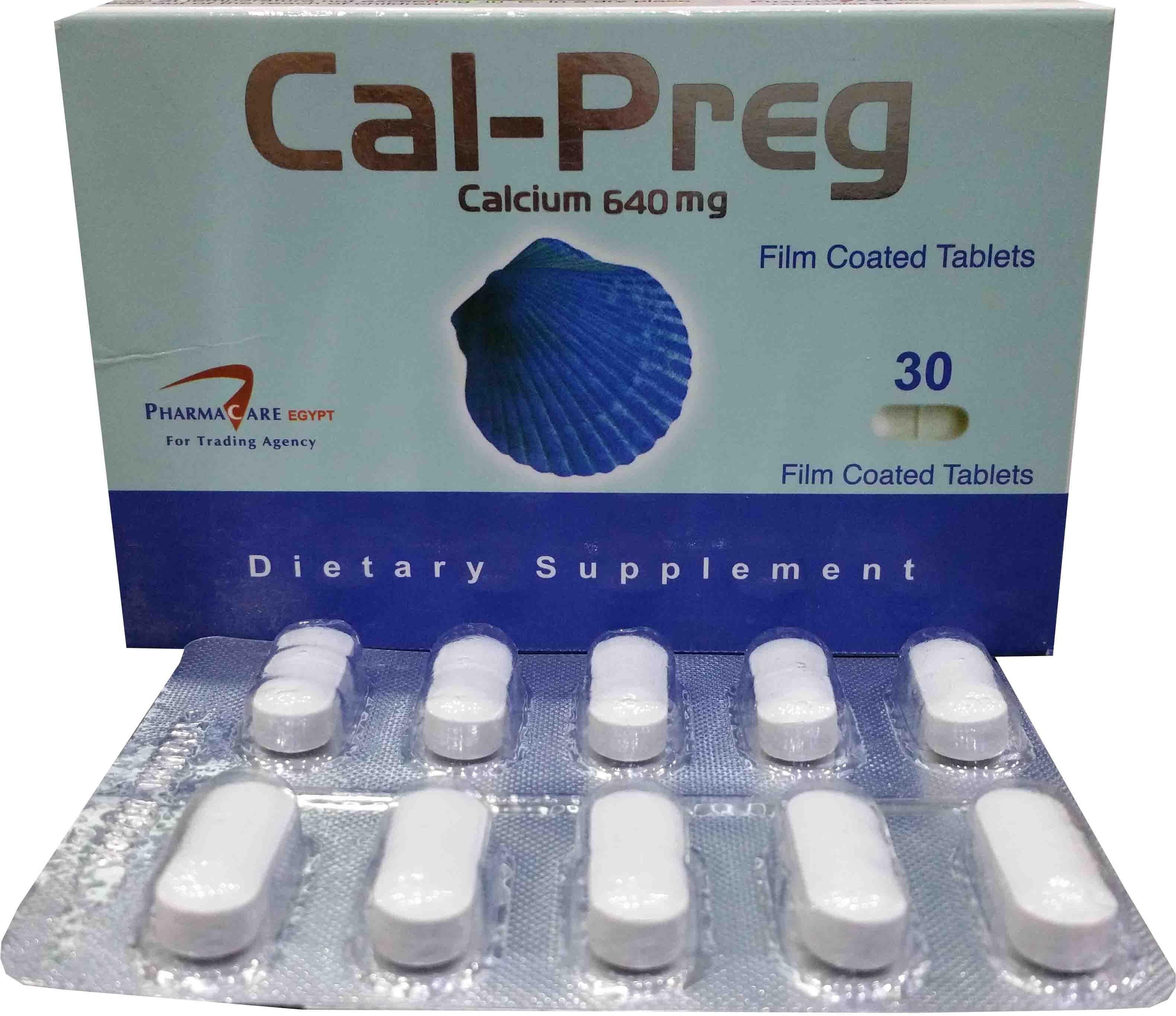
What is Cal Preg and what does it contain
Cal Preg 30 tablets is an oral calcium supplement. The verified Vezeeta Pharmacy product page lists the product as Cal Preg 30 F.C. Tablet, manufactured by Arab Caps, with Calcium as the active ingredient.
Calcium is an essential mineral needed for bone and tooth structure, normal muscle contraction, nerve signaling, and other body functions. Calcium supplements may contain different calcium salts, such as calcium carbonate or calcium citrate. Calcium carbonate products are often better tolerated and absorbed when taken with food, but the patient should follow the product label or the pharmacist’s instructions.
Many users search for “Cal Preg calcium 640” or “Cal Preg 640”. This wording usually refers to the amount of calcium listed for a specific formulation or pack. Always check the box and leaflet because formulations and displayed strengths can differ. Cal Preg D is a related variant name that may include vitamin D with calcium, so it should not automatically be treated as identical to Cal Preg 30 tablets.
What is Cal Preg used for
Cal Preg is used to support calcium intake when diet alone is not enough. It may be recommended for calcium deficiency, increased calcium needs, bone and teeth support, and as part of a wider plan for osteopenia or osteoporosis.
Cal Preg is not a complete treatment for osteoporosis on its own. Osteoporosis care may require vitamin D assessment, calcium intake review, bone density testing, weight-bearing exercise, fall prevention, and prescription medicines when indicated. If you have recurrent fractures, long-term steroid use, postmenopausal osteoporosis risk, or persistent bone pain, you can book with Vezeeta Orthopedics doctors for assessment.
Pregnant or breastfeeding women, older adults, people with low dietary calcium, and people with limited sun exposure may need supplementation, but the need should be individualized.
Cal Preg dosage and how to use it
The treating doctor or pharmacist determines the appropriate dose based on the reason for use, calcium intake from food, age, pregnancy or breastfeeding status, kidney function, vitamin D level, other medicines, and the patient’s clinical condition.
Do not take more than one calcium-containing supplement at the same time unless a healthcare professional confirms that the total amount is suitable. If Cal Preg is part of a long-term bone-health or osteoporosis plan, the doctor determines the dose, treatment duration, and whether therapy should continue or change. For remote advice, you may use Vezeeta telehealth orthopedics.
Before or after food
Cal Preg is usually best taken with or after food if it contains calcium carbonate, because food may improve absorption and reduce stomach upset. Avoid taking it at the same time as iron, levothyroxine, some antibiotics, or osteoporosis medicines, as calcium can reduce the absorption of several medicines.
Missed dose
If you miss a dose, follow the product label or your doctor’s instructions. Do not take extra tablets to make up for a missed dose unless a healthcare professional specifically tells you to.
How long does Cal Preg take to work
Cal Preg does not usually cause an immediate noticeable effect. Calcium replacement works gradually by helping maintain normal calcium balance and supporting bone mineral health over time.
Symptoms such as cramps, tingling, weakness, or bone pain may have many causes and should not be assumed to improve with calcium alone. Bone density improvement, when it happens as part of a complete treatment plan, is usually assessed over months rather than days.
What are the side effects of Cal Preg
Cal Preg is usually well tolerated when used appropriately. Possible side effects of calcium supplements include constipation, gas, bloating, nausea, stomach discomfort, and a chalky taste.
Too much calcium can cause high calcium levels, especially in people with kidney disease, dehydration, parathyroid disorders, a history of kidney stones, or high vitamin D intake. Warning symptoms may include severe constipation, vomiting, unusual weakness, confusion, excessive thirst, frequent urination, irregular heartbeat, flank pain, blood in urine, swelling, or rapid weight gain.
Get urgent medical help if you develop signs of allergy, severe abdominal pain, severe vomiting, fainting, chest pain, confusion, little or no urination, or symptoms of kidney stones.
Contraindications and precautions
Do not use Cal Preg if you have a known allergy to calcium supplements or any ingredient in the product. Do not use calcium supplements if you have high blood calcium unless a specialist has specifically prescribed and monitored them.
Use Cal Preg only after medical advice if you have kidney disease, kidney stones, high urine calcium, parathyroid disease, cancer affecting the bones, sarcoidosis, heart rhythm disease, or if you are on dialysis.
Children should not use adult calcium tablets unless a doctor recommends the correct product. Keep all supplements away from children to avoid accidental overdose.
Cal Preg drug interactions
Calcium can bind to some medicines in the digestive tract and reduce their absorption. Separate Cal Preg from levothyroxine, tetracycline antibiotics, quinolone antibiotics, iron, zinc, bisphosphonates, and other medicines as directed by a doctor or pharmacist.
Thiazide diuretics may increase calcium levels in some patients. Digoxin and other cardiac glycosides require caution because abnormal calcium levels may increase rhythm risks. Tell your doctor about all prescription medicines, over-the-counter products, vitamins, minerals, antacids, and herbal supplements you use.
Cal Preg during pregnancy and breastfeeding
Calcium needs may increase during pregnancy and breastfeeding, and calcium carbonate is generally considered acceptable when used in appropriate recommended amounts. However, pregnancy or breastfeeding is not a reason to take extra calcium without assessment.
If you are pregnant, planning pregnancy, or breastfeeding, ask your doctor which calcium product is suitable and how to separate it from iron or prenatal vitamins.
Can Cal Preg be taken every day and long term
Cal Preg may be taken daily when a doctor or pharmacist confirms that ongoing supplementation is needed. Long-term use should consider calcium from food, kidney function, vitamin D status, and the risk of kidney stones or high calcium levels.
The treating doctor determines whether treatment should continue, change, or stop. Regular follow-up with an orthopedic specialist on Vezeeta may be helpful if Cal Preg is used as part of osteoporosis or long-term bone-health care.
What are the alternatives to Cal Preg
Alternatives depend on the reason for supplementation. Options may include calcium carbonate, calcium citrate, calcium with vitamin D3, or combinations with other minerals. Calcium citrate may be preferred for some people with low stomach acid or stomach intolerance, but the choice should be individualized.
Dietary sources can also help, such as milk, yogurt, cheese, fortified drinks, sardines with bones, and suitable leafy greens. For osteoporosis, prescription medicines may be needed, but these are selected by the doctor.
Cal Preg price in Egypt
Cal Preg price in Egypt can change according to availability, official price updates, and location. To check the current price and availability, visit the verified Cal Preg page on Vezeeta Pharmacy. Avoid relying on old screenshots or outdated social media prices.
Frequently asked questions
What is Cal Preg?
Cal Preg is a calcium supplement used to support calcium intake and bone health when supplementation is needed.
What are Cal Preg tablets used for?
They are used for calcium deficiency support, bone and teeth support, and as part of osteoporosis care when recommended.
Is Cal Preg taken before or after food?
It is usually taken with or after food, especially when the calcium source is calcium carbonate.
When should Cal Preg be taken?
Take it at the time advised by your doctor or pharmacist, while separating it from interacting medicines.
Does Cal Preg cause weight gain?
Cal Preg is not known to directly cause weight gain. Rapid weight gain with swelling needs medical assessment.
Can Cal Preg be used for weight loss?
No. Cal Preg is not a slimming medicine and should not be used for weight loss.
What are the benefits of Cal Preg tablets?
The main benefit is providing calcium to support bones, teeth, muscles, and normal body functions when intake is insufficient.
Is Cal Preg the same as Cal Preg D?
No. Cal Preg D is a related variant name that may include vitamin D, so check the exact product label.
Can I take Cal Preg with vitamin D?
Only if advised by a doctor or pharmacist, because total calcium and vitamin D intake must be appropriate.
Can Cal Preg cause constipation?
Yes. Constipation is a possible side effect of calcium supplements, especially calcium carbonate.
Can kidney patients use Cal Preg?
Kidney patients should not use calcium supplements without medical supervision.
Is Cal Preg safe in pregnancy?
Calcium can be acceptable during pregnancy when needed, but the product and timing should be decided by a doctor.
Medical disclaimer
This article is for medical education only and does not replace consultation with a doctor or pharmacist. Do not start, stop, or change any medicine or supplement without professional advice, especially during pregnancy, breastfeeding, chronic disease, kidney disease, or when using other medicines.
Specialized Doctors

Ahmed Nasr
Consultant in orthopedic surgery, fractures, joint replacements, and endoscopy

David Gergis
consultant orthpedic surgery

Reda AbdElHamid Sheta
Consultant of Orthopedic, Joint and Spine Surgery, PhD in Orthopedic surgery, Cairo University
Specialized Doctors
Ahmed Nasr
Consultant in orthopedic surgery, fractures, joint replacements, and endoscopy
David Gergis
consultant orthpedic surgery
Reda AbdElHamid Sheta
Consultant of Orthopedic, Joint and Spine Surgery, PhD in Orthopedic surgery, Cairo University


