Breast Pain(mastalgia):Is It Normal or a Sign of a Health Problem?
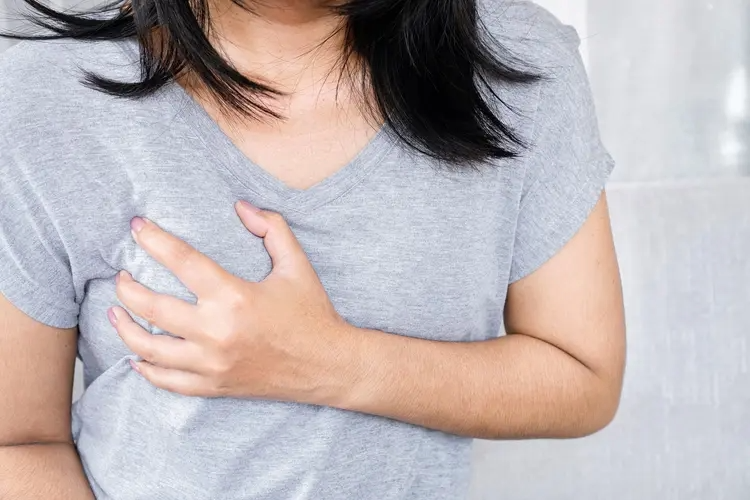
Breast pain(mastalgia)—also known as mastalgia—is a common issue that many women experience at some point in their lives. It can range from mild tenderness to sharp, burning sensations, and can occur in one or both breasts. While it is most often linked to hormonal changes and not typically a sign of a serious condition like breast cancer, it can still cause anxiety, discomfort, and interfere with daily activities.
Understanding the nature of breast pain, its possible causes, and the differences between normal and concerning symptoms is crucial for every woman. In this article, we’ll explore the types of breast pain, the most common triggers, when to see a doctor, and effective treatment options.
What are the Types of Breast Pain?
Breast pain(mastalgia) can generally be divided into two main categories:
1. Cyclical Breast Pain
- Linked to the menstrual cycle, this type of pain is the most common among women of reproductive age.
- It typically occurs in both breasts, especially in the upper outer areas, and may feel like a dull ache, heaviness, or tenderness.
- Usually begins around the ovulation phase and worsens before menstruation, improving once the period starts.
- Common in women aged 20–40.
2. Non-Cyclical Breast Pain
- Not related to the menstrual cycle and can occur at any time.
- May be felt in one breast or a specific area and is often described as a sharp, burning, or stabbing pain.
- Can be caused by injury, infections, cysts, or even musculoskeletal issues (like strained chest muscles).
- More common in postmenopausal women.
What are the Common Causes of Breast Pain?
Breast pain is not always a cause for concern and often results from benign factors, including:
- Hormonal fluctuations (due to menstruation, pregnancy, menopause, or hormone therapy)
- Birth control pills or hormone replacement therapy
- Breast cysts or fibroadenomas (non-cancerous lumps)
- Mastitis (infection of breast tissue, especially during breastfeeding)
- Poorly fitting bras that do not support the breasts properly
- Breast trauma or surgery
- High caffeine or fat intake (some studies link diet to increased breast sensitivity)
- Stress or anxiety
- Certain medications (e.g., antidepressants or cardiovascular drugs)
Note: Breast cancer rarely presents with pain in its early stages, but it should not be ruled out, especially if other symptoms like lumps or nipple discharge are present.
What are the Symptoms That May Accompany Breast Pain?
While breast pain can occur alone, it is sometimes associated with other symptoms, such as:
- Swelling or heaviness in the breasts
- Increased sensitivity or tenderness
- A feeling of fullness or tightness
- Lumps or thickening in the breast tissue
- Nipple discharge (clear, bloody, or milky)
- Skin redness, warmth, or dimpling
If any of these symptoms are new or persistent, it’s essential to consult a healthcare provider.
When to See a Doctor?
Although most breast pain is not serious, you should seek medical evaluation if:
- The pain is severe or lasts longer than 2 weeks
- The pain interferes with daily life or sleep
- You find a lump or change in breast shape or size
- There is nipple discharge, especially if bloody
- You experience redness, warmth, or signs of infection
- You are postmenopausal and suddenly develop breast pain
A doctor may recommend a clinical breast exam, ultrasound, mammogram, or MRI depending on your age, symptoms, and risk factors.
How is Breast Pain Diagnosed?
To determine the cause of your breast pain, the doctor may:
- Review your medical and menstrual history
- Perform a physical breast exam
- Order imaging tests like ultrasound or mammography
- Ask you to track your pain using a diary to check for cyclical patterns
What are the Treatment Options for Breast Pain?
Treatment depends on the underlying cause. Common options include:
Lifestyle Changes
- Wear a supportive bra, especially during exercise
- Reduce caffeine, salt, and dietary fat
- Apply warm or cold compresses
- Reduce stress through yoga or relaxation techniques
- Track symptoms to identify triggers
Medications
- Over-the-counter pain relievers (ibuprofen or acetaminophen)
- Hormonal treatments (in severe cases)
- Danazol or tamoxifen (prescribed in chronic, non-responsive cases)
Home Remedies
- Evening primrose oil (used for hormonal balance, though evidence is limited)
- Topical NSAIDs (e.g., diclofenac gel)
Always consult a healthcare provider before starting supplements or medications.
Can Breast Pain Be Prevented?
While not all cases are preventable, you can reduce the risk of recurring pain by:
- Wearing properly fitting bras
- Avoiding caffeine and high-fat foods
- Managing hormonal treatments under supervision
- Practicing breast self-awareness and regular exams
Conclusion
Breast pain(mastalgia) is a common experience and is usually benign. However, understanding the type, timing, and triggers of your pain can help you decide when it’s appropriate to monitor it at home and when it’s best to consult a doctor. With the right support, diagnosis, and lifestyle modifications, breast pain can often be managed effectively—giving you peace of mind and better quality of life.
If you still need to consult a doctor regarding this condition, you can easily book an appointment through Vezeeta
Related Keywords



References
American College of Obstetricians and Gynecologists (ACOG)
Practice Bulletin on breast pain: evaluation and management.
Website: https://www.acog.org/clinical/clinical-guidance/practice-bulletin/articles/2015/04/breast-pain
Mayo Clinic – Breast Pain (Mastalgia)
Overview of causes, symptoms, and treatments for breast pain.
Website: https://www.mayoclinic.org/symptoms/breast-pain/basics/causes/sym-20050641
National Health Service (NHS) UK
Information on breast pain, causes, and when to seek medical advice.
Website: https://www.nhs.uk/conditions/breast-pain/
UpToDate – Mastalgia
Clinical resource detailing causes, evaluation, and treatment of breast pain.
Website: https://www.uptodate.com/contents/mastalgia-breast-pain
MedlinePlus – Breast Pain
Patient-friendly explanations about breast pain and management.
Website: https://medlineplus.gov/breastpain.html
Journal Article: "Mastalgia: Diagnosis and Management"
The Breast Journal, 2014; Volume 20, Issue 2, Pages 117-124.
DOI: 10.1111/tbj.12233