Borderline Personality Disorder: A Complex Mental Illness
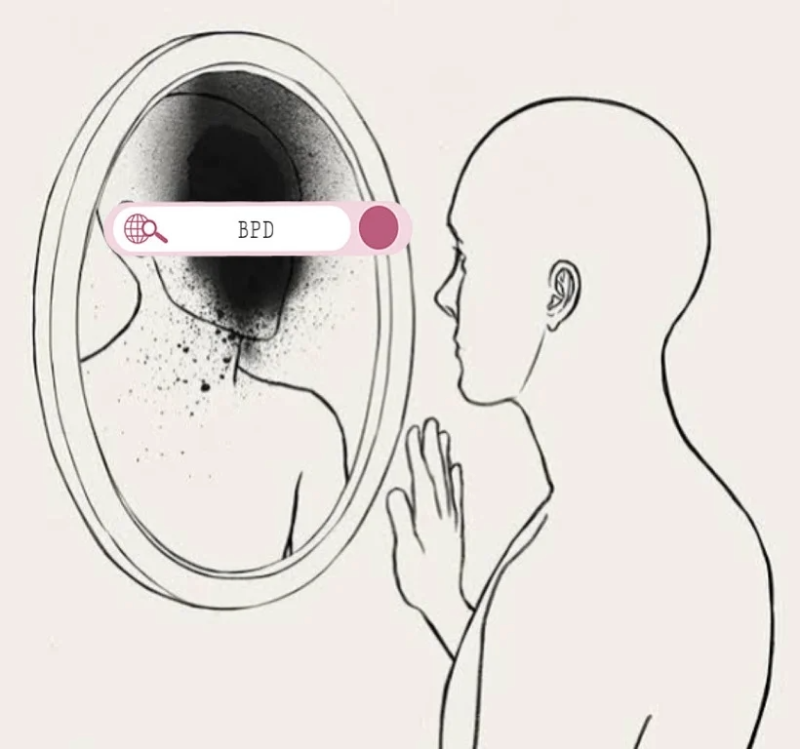
Borderline Personality Disorder (BPD) is a relatively common mental health condition that significantly affects an individual's emotional well-being, behavior, and relationships. Unfortunately, diagnosing and treating this complex disorder still presents many challenges. However, ongoing research and scientific advancements continue to improve our understanding and treatment of BPD.
In this article, we explore the key symptoms, potential causes, and available treatment options for managing BPD and improving quality of life.
What Is Borderline Personality Disorder?
Borderline Personality Disorder (BPD) is a mental health condition that impacts mood, self-image, and interpersonal relationships. Individuals with BPD experience emotional instability, impulsive behaviors, and difficulty regulating their emotions, which can sometimes lead to dangerous actions, such as reckless driving.
This instability often impairs their ability to form and maintain relationships, and many are unaware they even have the disorder. BPD is more prevalent in women and typically begins in adolescence or early adulthood.
How Is BPD Different from Bipolar Disorder?
While BPD and bipolar disorder both involve mood swings, they differ in key ways. Bipolar disorder symptoms tend to be more prolonged and cyclical, whereas BPD symptoms often arise quickly in response to stress or emotional triggers. Additionally, the emotional changes in BPD are more reactive and short-lived.
What are Symptoms of Borderline Personality Disorder?
BPD symptoms often emerge during adolescence or early adulthood, especially in response to emotional stress. They may include:
- Intense shame or guilt leading to sudden changes in behavior or self-sabotage.
- Rapid mood swings lasting from hours to days (e.g., sudden sadness, anger, or anxiety).
- Deep fear of abandonment and being alone.
- Difficulty maintaining stable relationships; idealizing others, then suddenly devaluing them.
- Chronic feelings of emptiness and boredom.
- Difficulty controlling anger or reacting with sarcasm and hostility.
- Brief episodes of paranoia or dissociation triggered by stress.
- Impulsive or reckless behavior.
- Self-harm or suicidal thoughts and attempts.
What are Types of BPD?
BPD is not a one-size-fits-all condition. It can manifest in different forms:
1. Discouraged Borderline
- Driven by fear of rejection and abandonment.
- Exhibits dependency, self-blame, and passive behavior.
- Outwardly may appear successful or perfectionistic, but internally struggles with isolation and low self-worth.
2. Impulsive Borderline
- Acts recklessly without regard for consequences.
- May display aggression, binge eating, substance abuse, or risky behaviors.
- Often charismatic and energetic but struggles with emotional regulation.
3. Petulant Borderline
- Mood swings between irritability, anger, and depression.
- Feels unloved or unappreciated.
- Displays stubbornness and aggressive behavior in relationships.
4. Self-Destructive Borderline
- Exhibits behaviors stemming from self-hatred.
- May engage in self-harm, substance abuse, or suicidal behavior.
- Frequently seeks danger or punishment.
What are Causes of Borderline Personality Disorder?
The exact causes of BPD are unknown, but several contributing factors include:
- Brain changes: Abnormalities in brain regions responsible for emotional regulation and impulse control.
- Childhood trauma: Exposure to abuse, neglect, or parental separation increases risk.
- Genetics: Family history of BPD or related disorders may increase susceptibility.
How is BPD Diagnosed ?
Diagnosing BPD requires a specialized mental health professional. Diagnosis is based on:
- Clinical interviews assessing symptoms and mental health history.
- Evaluation of family and medical background.
- Symptoms must be present consistently, typically diagnosed after age 18.
What is theTreatment for Borderline Personality Disorder?
Treatment plans depend on:
- Patient’s age and medical history.
- Severity of symptoms.
- Willingness to engage in treatment.
The cornerstone of treatment is psychotherapy, often combined with medications to manage specific symptoms like depression or anxiety.
Psychotherapy Options
- Dialectical Behavior Therapy (DBT): Teaches patients to accept their reality while promoting positive behavioral change.
- Cognitive Behavioral Therapy (CBT): Helps identify and modify negative thought patterns and behaviors.
- Group therapy: Offers peer support and shared experiences under professional guidance.
Medications
While there is no specific drug to cure BPD, medications such as antidepressants and antipsychotics may help control symptoms like mood instability, impulsivity, or anxiety.
In severe cases with high suicide risk, hospitalization may be necessary for safety and monitoring.
Is BPD a Mental Illness?
Yes, BPD is considered a serious mental health disorder. It affects how individuals think, feel, and relate to others, often disrupting daily life.
Final Thoughts
Borderline Personality Disorder is a challenging condition, but it is treatable. With the right support, therapy, and understanding, individuals with BPD can lead fulfilling lives. Society must play a role in reducing stigma and providing the compassion and resources these individuals need to heal and thrive.
If you still need to consult a doctor regarding this condition, you can easily book an appointment through Vezeeta
Related Keywords
Specialized Doctors

Eman Helal
Specialist Of Psychiatry And Addiction Treatment-Faculty Of Medicine-Tanta University

Mohammad Ali Gad
Psychiatry Specialist

Mohamed Elwasify
Consultant and Professor of Psychiatry_Faculty of Medicine Mansoura University
References
American Psychiatric Association. Diagnostic and Statistical Manual of Mental Disorders (DSM-5®). 5th ed. Arlington, VA: American Psychiatric Publishing; 2013.
National Institute of Mental Health (NIMH). Borderline Personality Disorder.
Available at: https://www.nimh.nih.gov
Mayo Clinic. Borderline Personality Disorder – Symptoms and Causes.
Available at: https://www.mayoclinic.org
National Health Service (NHS). Borderline Personality Disorder.
Available at: https://www.nhs.uk
Linehan, M. M. Cognitive-Behavioral Treatment of Borderline Personality Disorder. New York: Guilford Press; 1993.
Gunderson, J. G., & Links, P. S. Borderline Personality Disorder: A Clinical Guide. 2nd ed. American Psychiatric Publishing; 2008.
World Health Organization (WHO). Mental Health: Borderline Personality Disorder.
Available at: https://www.who.int
Specialized Doctors
Eman Helal
Specialist Of Psychiatry And Addiction Treatment-Faculty Of Medicine-Tanta University
Mohammad Ali Gad
Psychiatry Specialist
Mohamed Elwasify
Consultant and Professor of Psychiatry_Faculty of Medicine Mansoura University