

Arythrex 100 mg capsules: uses, side effects, dosage, price, and alternatives
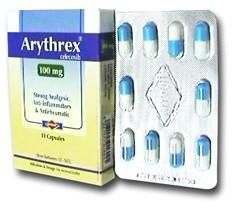
What is Arythrex and what does it contain
Arythrex is an oral capsule medicine used as a non-opioid pain reliever and anti-inflammatory treatment. Its active ingredient is celecoxib, known in Arabic as سيليكوكسيب. Celecoxib belongs to nonsteroidal anti-inflammatory drugs, specifically selective cyclooxygenase-2 inhibitors, often called COX-2 inhibitors.
COX-2 helps the body make prostaglandins, chemicals involved in pain, swelling, tenderness, and inflammation. By reducing COX-2 activity, Arythrex may ease inflammatory pain. However, being COX-2 selective does not remove the important risks linked to NSAIDs, including gastrointestinal bleeding, kidney effects, blood pressure elevation, heart attack, and stroke in susceptible patients.
You can view the exact product as Arythrex 100 mg - 10 Capsules on Vezeeta Pharmacy. Arythrex is also available in a 200 mg strength, and users often search for Arythrex 200 mg capsules. The difference is the amount of celecoxib in each capsule, not the general drug type.
What is Arythrex used for
Arythrex may be prescribed for pain and inflammation related to osteoarthritis, rheumatoid arthritis, and ankylosing spondylitis. It may also be used for primary menstrual pain and some acute pain conditions when a doctor considers celecoxib appropriate.
For chronic joint disease, Arythrex helps control symptoms such as pain, stiffness, swelling, and reduced movement, but it does not cure the underlying rheumatic disease. Recurrent joint pain, morning stiffness, visible swelling, fever, unexplained fatigue, or progressive limitation of movement needs medical assessment. You can book a rheumatologist through Vezeeta for diagnosis and follow-up.
Arythrex dosage and how to use it
Take Arythrex exactly as prescribed. Because celecoxib is often used for chronic conditions such as osteoarthritis, rheumatoid arthritis, and ankylosing spondylitis, this article does not provide personal numerical dosing instructions. The treating doctor determines the appropriate dose based on the diagnosis, response to treatment, other medicines, stomach risk, heart risk, kidney and liver function, age, and the patient's clinical condition.
Do not increase the dose, extend the duration, or combine Arythrex with other NSAIDs unless your doctor tells you to. NSAID risks may occur early and may increase with longer use. Your doctor decides whether treatment should continue, change, or stop. If you need follow-up for arthritis or repeated anti-inflammatory use, you can use Vezeeta Rheumatology Telehealth to discuss dose, duration, and monitoring with a specialist.
Before or after food
Arythrex capsules may generally be taken with or without food. If they upset your stomach, taking them with food may be more comfortable, but food does not prevent ulcers or bleeding.
Missed dose
If you miss a prescribed dose, follow your prescription instructions or ask your doctor or pharmacist. Do not double doses to make up for a missed dose unless your doctor specifically tells you to.
How long does Arythrex take to work
Pain relief may begin after the medicine is absorbed, but the exact timing varies according to the condition, severity of pain, and individual response. Acute pain may improve earlier than chronic inflammatory stiffness. In arthritis, the doctor may assess benefit over the planned treatment period rather than after one capsule only.
If pain is severe, worsening, associated with swelling or fever, or not improving as expected, do not simply raise the dose. Medical review is needed to check the cause and adjust the treatment plan safely.
What are the side effects of Arythrex
Possible side effects include stomach pain, indigestion, heartburn, nausea, vomiting, diarrhea, constipation, gas, headache, dizziness, fluid retention, swelling of the hands or feet, raised blood pressure, and skin rash.
Serious side effects may include stomach or intestinal bleeding, ulcers, severe allergic reactions, asthma-like reactions in aspirin-sensitive patients, serious skin reactions, liver injury, kidney problems, worsening heart failure, heart attack, and stroke. These risks are more important in older adults, smokers, people with previous ulcers, patients taking blood thinners, corticosteroids, or aspirin, and people with cardiovascular disease.
Seek urgent medical help for chest pain, shortness of breath, sudden weakness or numbness on one side, slurred speech, black or bloody stools, vomiting blood, severe stomach pain, swelling of the face or throat, blistering rash, yellow skin or eyes, very low urine output, or rapid unexplained weight gain with swelling. Suspected overdose also requires immediate medical help or poison center advice.
Contraindications and precautions
Do not use Arythrex if you are allergic to celecoxib, any capsule component, or sulfonamide medicines. Do not use it if you previously had asthma, hives, a severe allergic reaction, or another serious reaction after aspirin or another NSAID.
Arythrex is contraindicated for pain related to coronary artery bypass graft surgery. It must not be used in active stomach or intestinal bleeding. Medical assessment is required before use if you have a history of stomach ulcer, gastrointestinal bleeding, heart disease, high blood pressure, stroke risk, fluid retention, heart failure, kidney disease, liver disease, asthma, bleeding disorders, smoking, heavy alcohol use, or advanced age.
Arythrex drug interactions
Tell your doctor or pharmacist about all medicines and supplements you use. Important interactions may occur with aspirin, other NSAIDs, warfarin and other blood thinners, antiplatelet medicines, corticosteroids, selective serotonin reuptake inhibitors, ACE inhibitors, angiotensin receptor blockers, beta blockers, diuretics, lithium, methotrexate, cyclosporine, digoxin, fluconazole, rifampin, and some CYP2D6-metabolized medicines.
Alcohol may increase the risk of stomach bleeding. Do not combine Arythrex with cold, flu, or pain products without checking their ingredients, because some contain NSAIDs.
Arythrex during pregnancy and breastfeeding
During pregnancy, Arythrex should only be used if the doctor decides it is necessary. NSAIDs such as celecoxib may harm the unborn baby from around 20 weeks of pregnancy, and use in the last trimester is contraindicated because of risks such as fetal kidney problems, low amniotic fluid, and premature closure of the fetal ductus arteriosus.
Celecoxib passes into breast milk in low amounts. Breastfeeding decisions should consider the mother’s need for treatment, the baby’s health, and medical advice, especially if the infant has platelet or bleeding problems.
Can Arythrex be taken every day and long term
Arythrex may be prescribed for repeated or longer-term symptoms in chronic rheumatic conditions, but daily or long-term use must be supervised. The treating doctor determines whether treatment should continue, change, or stop. Do not change the treatment plan independently.
Long-term users may need monitoring of blood pressure, kidney function, liver function, blood counts, swelling, stomach symptoms, and cardiovascular risk. Regular follow-up with a rheumatologist is important if Arythrex is part of an arthritis management plan.
What are the alternatives to Arythrex
Alternatives depend on the diagnosis and the patient’s risks. Options may include another celecoxib brand, another NSAID, paracetamol for some pain cases, topical anti-inflammatory gels, physiotherapy, joint injections, disease-modifying medicines for inflammatory arthritis, or non-drug measures such as weight control and suitable exercise. Do not replace Arythrex with another NSAID without medical advice, especially if you have stomach, kidney, blood pressure, heart, or pregnancy-related risks.
Arythrex price in Egypt
The price of Arythrex in Egypt may change according to strength, pack size, availability, and updated pharmacy pricing. For the current Arythrex 100 mg price and availability, check Arythrex 100 mg - 10 Capsules. If you are comparing Arythrex 200 price, confirm the strength and number of capsules first.
Frequently asked questions
What is Arythrex?
Arythrex is a celecoxib capsule used as a selective COX-2 NSAID for pain and inflammation.
What are the uses of Arythrex?
It may be used for arthritis-related pain and inflammation, ankylosing spondylitis, acute pain, and menstrual pain when prescribed.
How does Arythrex work?
It reduces COX-2 activity, lowering prostaglandins that contribute to pain, swelling, and inflammation.
Does Arythrex 200 cause drowsiness?
Drowsiness is not a main expected effect, but dizziness or tiredness may occur. Avoid driving if you feel affected.
What are the harms of Arythrex capsules?
Possible harms include stomach irritation, bleeding, allergy, fluid retention, raised blood pressure, kidney problems, and increased heart attack or stroke risk in susceptible patients.
Is Arythrex a painkiller?
Yes. It is a non-opioid pain reliever and anti-inflammatory medicine, but it is not suitable for every type of pain or every patient.
Can Arythrex be used for knee pain?
It may be prescribed for knee pain caused by osteoarthritis or inflammation. Persistent knee pain needs diagnosis rather than repeated self-treatment.
Can I take Arythrex with aspirin?
Only if your doctor approves. The combination can increase gastrointestinal risk and may require protective measures.
Can children use Arythrex?
Celecoxib may be used in selected pediatric rheumatology cases, but children must not receive Arythrex without medical advice.
What is the alternative to Arythrex?
Alternatives may include other celecoxib brands, different pain relievers, topical treatments, or disease-specific arthritis medicines.
What is the price of Arythrex?
Check Vezeeta Pharmacy or a licensed pharmacy because prices and availability can change.
Can Arythrex be used with stomach ulcers?
It requires careful medical evaluation. Do not use it in active gastrointestinal bleeding, and tell your doctor about any ulcer history.
Medical disclaimer
This article is for general medical information only and does not replace consultation with a doctor or pharmacist. Do not start, stop, or change any medicine based on this content. Always follow your prescription and seek urgent medical care for severe or unusual symptoms.
Specialized Doctors

Ahmed Mabrouk
Consultant of Rheumatology

Abeer Hosny
Specialist in Rheumatism and Rehabilitation Health Insurance - Master in rheumatism and rehabilitation from kasr El Ainy

Ahmed Othman
Specialist and Assistant lecturer of Rheumatology and Joint Diseases at the Faculty of Medicine, Mansoura University
References
- https://www.drugs.com/celecoxib.html
- https://www.drugs.com/pro/celecoxib.html
- https://www.drugs.com/dosage/celecoxib.html
- https://www.drugs.com/pregnancy/celecoxib.html
- https://www.drugs.com/breastfeeding/celecoxib.html
- https://altibbi.com/%D8%A7%D9%84%D8%A7%D8%AF%D9%88%D9%8A%D8%A9/%D8%A7%D8%B1%D9%8A%D8%AB%D8%B1%D9%8A%D9%83%D8%B3
- https://www.vezeeta.com/en-eg/pharmacy/arythrex-100-mg-10-capsules
Specialized Doctors
Ahmed Mabrouk
Consultant of Rheumatology
Abeer Hosny
Specialist in Rheumatism and Rehabilitation Health Insurance - Master in rheumatism and rehabilitation from kasr El Ainy
Ahmed Othman
Specialist and Assistant lecturer of Rheumatology and Joint Diseases at the Faculty of Medicine, Mansoura University


