Aricept 10 mg Uses Dosage Side Effects and Precautions
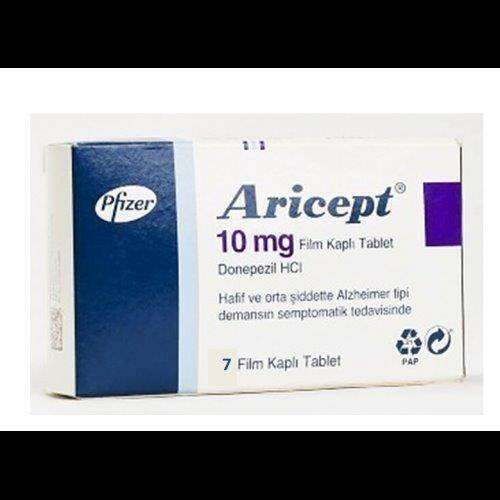
What is Aricept and what does it contain
Aricept is a brand of donepezil, an acetylcholinesterase inhibitor. It reduces the breakdown of acetylcholine, a chemical that helps nerve cells communicate and is involved in memory and thinking.
| Feature | Details |
| Brand | Aricept |
| Active ingredient | Donepezil hydrochloride |
| Strength discussed | 10 mg |
| Form | Film-coated oral tablets |
| Main use | Symptoms of Alzheimer’s dementia |
The product discussed is Aricept 10 mg, 7 tablets. The expression “Aricept tab” simply refers to Aricept tablets.
What is the difference between Aricept 5 mg and 10 mg
Both contain donepezil, but each tablet provides a different amount. Treatment usually begins at 5 mg, with an increase considered later.
Other strengths and formulations are described in international references, but their local availability must be checked. They should not be assumed interchangeable with the 10 mg tablets discussed here.
What is Aricept used for
Aricept treats symptoms of dementia associated with mild, moderate or severe Alzheimer’s disease. The degree of benefit differs between individuals.
It is not a general memory supplement or a routine treatment for ordinary forgetfulness. If memory difficulties affect everyday life, book a neurologist for assessment before considering medication.
Aricept dosage and how to use it
The usual starting oral dose is 5 mg once daily. A prescriber may increase this to 10 mg once daily after at least 4–6 weeks, depending on response and tolerance.
These are general prescribing details, not instructions for an individual patient. Do not start at 10 mg or increase the dose without medical advice.
Aricept is usually taken in the evening before bedtime. A consistent routine and caregiver supervision can help prevent missed or repeated doses.
Should Aricept be taken before or after food
Aricept can be taken with or without food. There is no requirement to take it specifically before or after a meal. Follow the prescription and report persistent digestive symptoms.
What should you do after a missed dose
Skip the missed dose and take the next at the normal time. Do not double the dose. If treatment has stopped for more than seven consecutive days, contact the prescriber before restarting.
How long does Aricept take to work
Noticeable benefit may take about a month or 4–6 weeks, and sometimes longer. An immediate improvement after the first tablet is not expected.
Follow-up should consider changes in everyday functioning as well as memory. Some people show more improvement than others.
What are the side effects of Aricept
Possible side effects include:
• Nausea, vomiting and diarrhoea.
• Reduced appetite and weight loss.
• Muscle cramps and tiredness.
• Insomnia or unusual dreams.
• Dizziness and occasional drowsiness.
Report symptoms that persist, interfere with eating or drinking, or affect balance. Side effects may be more noticeable when treatment begins or the dose increases.
Which symptoms need urgent care
Seek urgent help for fainting, a very slow heartbeat, seizures, vomiting blood, black stools or serious breathing problems. Swelling of the face or tongue with breathing difficulty may indicate a severe allergic reaction.
Contraindications and precautions
Aricept must not be used by someone with known hypersensitivity to donepezil, piperidine derivatives or its ingredients.
Tell the prescriber about heart conduction problems, a slow pulse, stomach ulcers, previous gastrointestinal bleeding, asthma, chronic obstructive pulmonary disease, seizures, urinary difficulty or swallowing problems.
Inform the anaesthetic team before surgery. These conditions need assessment; they are not all absolute contraindications.
Aricept drug interactions
The pharmacist should review all medicines and supplements, particularly:
• Aspirin and NSAIDs: these may increase gastrointestinal bleeding concerns.
• Anticholinergic medicines: their effects may oppose donepezil.
• Certain anaesthetic medicines and muscle relaxants: their effects may be enhanced.
• Medicines affecting heart rate or rhythm: compatibility needs review.
Do not stop another prescribed treatment solely because a possible interaction is identified.
Aricept during pregnancy and breastfeeding
Pregnancy safety data are insufficient, so use requires an individual assessment of benefits and risks.
It is unknown whether donepezil passes into human breast milk or how it could affect a nursing infant. Seek specialist advice before use while breastfeeding.
Can Aricept be taken every day and long term
Aricept is normally prescribed daily and may continue long term while the clinician considers its benefits worthwhile.
Reviews should assess daily functioning, treatment tolerance, pulse, appetite and weight. Do not change the dose or stop treatment without consulting the prescriber.
What are the alternatives to Aricept
An alternative may be another donepezil product with the correct strength and formulation. Depending on the diagnosis and disease stage, a clinician may consider rivastigmine, galantamine or memantine instead.
These medicines are not interchangeable dose for dose. Suitability and local availability should be checked with the prescriber and pharmacist.
Aricept 10 mg price in Egypt
To check the price and order the medicine, visit Aricept 10 mg, 7 tablets on Vezeeta.
Compare the number of tablets per pack and confirm availability for your delivery location.
Frequently asked questions
Does Aricept make you sleepy
Drowsiness and dizziness can occur, although insomnia and unusual dreams are also possible. Avoid driving or hazardous activities if alertness or coordination is affected, and report persistent symptoms.
Does Aricept cause weight gain or increase appetite
Aricept is not an appetite stimulant or a weight-gain treatment. Reduced appetite and weight loss may occur instead. Monitor weight and seek advice if eating declines or weight loss continues.
Is Aricept a painkiller or a treatment for nerve pain
No. Aricept is not a painkiller or a standard treatment for peripheral nerve pain. Its established purpose is the treatment of symptoms associated with Alzheimer’s dementia.
Can children take Aricept
Safety and effectiveness have not been established in people under 18. Aricept should not be used to improve school performance, concentration or ordinary memory in children.
Can you start treatment with Aricept 10 mg
Do not start at 10 mg unless specifically instructed by the prescriber. The usual initial dose is 5 mg daily, with an increase considered after at least 4–6 weeks.
What happens if too much Aricept is taken
An overdose requires urgent medical attention. Signs may include severe vomiting, excessive sweating or saliva, muscle weakness, slow heartbeat, breathing difficulty and seizures. Do not wait for severe symptoms before seeking help.