Aquaphobia: When the Secret of Life Becomes a Haunting Fear
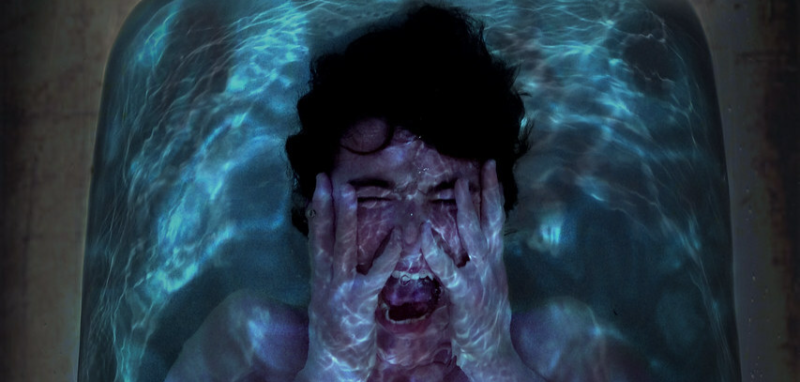
I was devastated when I heard that one of my friends had drowned. When I visited her personal page to write a condolence message, I found a post where she said that many people didn’t know she suffered from aquaphobia. That’s when I understood the reason for her death—it seems she was trying to overcome her fear and lost her balance.”
These were the words of a girl mourning her best friend, unaware that her friend had been struggling with a phobia of water. So what is aquaphobia? What causes it, what are its symptoms, and can it be treated?
What Is Aquaphobia?
Aquaphobia is a psychological disorder that affects people—especially children—causing intense fear at the sight or even thought of water.
In severe cases, this fear can escalate to the point of being afraid of bathing or even brushing one’s teeth.
Aquaphobia: What Is It a Fear Of?
There are several types of fear related to water:
- Aquaphobia: An intense fear triggered by seeing or thinking about water.
- Hydrophobia (as a symptom of rabies): Appears in the advanced stages of rabies, where the patient develops a severe aversion to drinking water.
- Thalassophobia: Fear of deep water, oceans, and seas; sufferers experience extreme dread at the sight or thought of these vast bodies.
What are Symptoms of Aquaphobia?
Symptoms vary in severity. Some may panic at the slightest touch of water, becoming frozen in place or fleeing the scene.
Common symptoms include:
- Constantly avoiding water
- Strong aversion and fear when seeing water
- Anxiety and distress that hinder daily activities
- Intense fear just from thinking about water
Other physical symptoms may also appear due to anxiety, such as:
- Sweating
- Rapid heartbeat
- Dizziness
- Nausea
- Upset stomach
- Shortness of breath
- Dry mouth
- Confusion
- Trembling or shaking
In children, symptoms might include:
- Crying
- Refusing to move or speak
- Clinging to parents or surroundings
- Intense anger or tantrums
What Triggers the Symptoms?
Symptoms may be triggered by:
- Watching videos or movies featuring water
- Bathtubs
- Swimming pools
- Drains or sinks
- Fountains
- Seas or rivers
What are Causes of Aquaphobia?
Many studies suggest that phobias often stem from a past traumatic event related to the object of fear. These events trigger strong emotions when the person encounters similar situations later on.
For example, seeing someone drown might make the brain associate water with danger and avoidance.
Some theories also suggest that living with someone who has the phobia can cause the fear to transfer—even without a specific traumatic event.
How Do I Know If I Have Aquaphobia?
See a doctor if you experience the following:
- Symptoms persist for six months or more
- Severe anxiety upon seeing or thinking about water
- Daily life is affected
- Avoidance of swimming pools or parks due to fear
- The level of fear is irrational or disproportionate to the actual danger
There is no standardized test for diagnosing aquaphobia; it is based on symptoms, their duration, and emotional/behavioral responses.
What is theTreatment for Aquaphobia?
Psychotherapy is the most effective approach and includes:
- Cognitive Behavioral Therapy (CBT): Helps patients face the thoughts and feelings that arise about water and teaches coping strategies.
- Exposure Therapy: Gradual, controlled exposure to water while learning relaxation techniques. The patient’s reactions are observed and managed to reduce anxiety over time.
Other therapeutic options:
- Hypnotherapy: Helps the patient relax and reframe their view of water. It may also uncover the root cause of the phobia.
- Dialectical Behavior Therapy (DBT): Focuses on emotional regulation and building healthy interpersonal relationships.
- Mindfulness Exercises: Techniques such as meditation help the patient manage stress and breathing to prevent panic attacks.
In some cases, medication may be prescribed to manage symptoms of fear and anxiety—especially during the early stages of treatment.
How to Treat Fear of Bathing?
Fear of bathing is a serious concern. Steps to overcome it may include:
- Placing one part of your body in water at a time
- Thinking and talking about water positively
- Watching videos or looking at pictures of water
- Standing near a pool without entering it
Is Aquaphobia Dangerous?
Yes, aquaphobia can lead to social isolation, especially if the fear extends to water sprays or fountains in public spaces.
In extreme cases, it can lead to refusal to bathe, increasing the risk of infections or being subjected to bullying.
In Conclusion:
Aquaphobia may seem like a minor issue on the surface, but neglecting to treat it with a professional can lead to serious health and psychological problems. It also robs people of the joys of engaging with water. That’s why early treatment is strongly recommended by doctors.
If you still need to consult a doctor regarding this condition, you can easily book an appointment through Vezeeta
Related Keywords
Specialized Doctors



References
American Psychiatric Association. (2013). Diagnostic and Statistical Manual of Mental Disorders (DSM-5®). American Psychiatric Pub.
https://doi.org/10.1176/appi.books.9780890425596
Mayo Clinic Staff. (2023). Specific phobias: Symptoms and causes. Mayo Clinic.
https://www.mayoclinic.org/diseases-conditions/specific-phobias/symptoms-causes
National Institute of Mental Health (NIMH). (2023). Specific Phobias.
https://www.nimh.nih.gov/health/topics/anxiety-disorders
Cleveland Clinic. (2024). Phobias: Types, Symptoms, Causes & Treatments.
https://my.clevelandclinic.org/health/diseases/21403-phobias
Verywell Mind. (2023). Aquaphobia (Fear of Water): Symptoms, Causes, and Treatment.
https://www.verywellmind.com/aquaphobia-fear-of-water-2671749
Specialized Doctors