

Anselacox tablets: uses, side effects, precautions, and price in Egypt
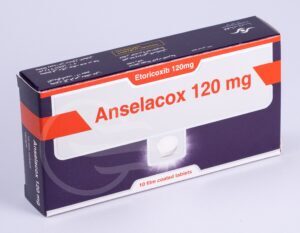
What is Anselacox and what does it contain
Anselacox is an oral tablet manufactured by EVA Pharma. Its active ingredient is etoricoxib, a selective COX-2 inhibitor. COX-2 inhibitors are a type of NSAID that helps reduce pain and inflammation by limiting prostaglandins involved in swelling and pain signals.
You can view the verified product listing here: Anselacox 60 mg tablets on Vezeeta.
Strengths and variants
Common searches include Anselacox 60, Anselacox 90 mg, Anselacox 120, and Anselacox tab. These numbers refer to the amount of etoricoxib in each tablet. A higher strength is not automatically better; the doctor chooses the suitable strength after assessing the condition, blood pressure, heart and kidney risk, liver function, stomach history, and other medicines.
What is Anselacox used for
Anselacox may be prescribed to reduce pain and inflammation in conditions affecting joints, muscles, bones, and surrounding tissues. Uses may include osteoarthritis, rheumatoid arthritis, ankylosing spondylitis, acute gout-related inflammation, and selected painful musculoskeletal inflammatory conditions when etoricoxib is appropriate.
Because several of these conditions may be chronic, Anselacox should not be repeated as an ordinary painkiller without medical review. Persistent joint pain, swelling, morning stiffness, redness, fever, or reduced movement needs proper diagnosis. You can book a same-specialty review through Rheumatologists on Vezeeta.
Anselacox may relieve pain and swelling, but it does not cure rheumatoid arthritis, reverse joint degeneration, remove uric acid crystals, or replace disease-modifying treatment when that treatment is needed.
Anselacox dosage and how to use it
The treating doctor determines the appropriate dose based on the diagnosis, response to treatment, other medicines, and the patient's clinical condition. Do not change the dose, repeat courses, or combine Anselacox with other anti-inflammatory painkillers unless a doctor or pharmacist confirms that it is safe.
For chronic conditions such as osteoarthritis, rheumatoid arthritis, and ankylosing spondylitis, this article does not provide numerical dosing instructions. The doctor determines the dose, duration, and whether treatment should continue, change, or stop. If you need ongoing pain control, you can use Vezeeta rheumatology telehealth to discuss the safest plan.
Swallow the tablet with water. Seek medical help immediately if you accidentally take more than prescribed or develop severe symptoms after taking it.
Before or after food
Anselacox can be taken with or without food. It may start working faster without food, but some patients with stomach sensitivity may be advised to take it after food. Food does not remove the risk of ulcers or bleeding, so stomach history must still be discussed.
Missed dose
If you miss a prescribed dose, follow your prescription or patient leaflet. Do not take a double dose to make up for a missed tablet. Ask your doctor or pharmacist if you are unsure.
How long does Anselacox take to work
Pain relief may begin within hours in some patients, but response varies with the cause and severity of inflammation. Acute inflammatory pain may improve faster than long-standing stiffness or chronic joint pain. If symptoms do not improve as expected, return repeatedly, or require frequent painkillers, the cause should be reassessed.
What are the side effects of Anselacox
Anselacox may cause side effects, although not everyone gets them. Possible effects include stomach pain, indigestion, nausea, heartburn, diarrhea, constipation, gas, dizziness, headache, tiredness, ankle or leg swelling, fluid retention, increased blood pressure, palpitations, bruising, and changes in liver blood tests.
Anselacox is not a weight-gain medicine or appetite stimulant. Weight gain, when it happens, may be related to fluid retention or appetite change. Rapid weight gain, swelling, or shortness of breath needs medical review. Dizziness and sleepiness may also occur; avoid driving or operating machines if affected.
Urgent symptoms
Get urgent medical care if you develop chest pain, sudden shortness of breath, weakness on one side, severe headache, black stools, vomiting blood, severe abdominal pain, facial or throat swelling, difficulty breathing, severe rash or blisters, yellow skin or eyes, very low urination, or sudden severe swelling.
Contraindications and precautions
Do not use Anselacox if you are allergic to etoricoxib or any tablet ingredient. Do not use it if you have had allergy to aspirin, NSAIDs, or COX-2 inhibitors, such as wheezing, facial swelling, hives, or severe rash.
This medicine is contraindicated in current stomach ulcer or gastrointestinal bleeding, severe liver disease, severe kidney disease, pregnancy, breastfeeding, age under 16 years, inflammatory bowel disease such as Crohn’s disease or ulcerative colitis, uncontrolled high blood pressure, diagnosed heart failure, angina, previous heart attack, bypass surgery, peripheral arterial disease, stroke, or transient ischemic attack.
Use requires careful assessment if you are elderly, smoke, have diabetes, high cholesterol, high blood pressure, dehydration, swelling, liver or kidney problems, ulcer history, heart risk factors, or use blood thinners or several blood pressure medicines.
Anselacox drug interactions
Tell your doctor and pharmacist about all medicines and supplements you use. Important interactions may occur with warfarin and other anticoagulants, antiplatelets, aspirin, other NSAIDs, ACE inhibitors, angiotensin receptor blockers, diuretics, lithium, methotrexate, ciclosporin, tacrolimus, rifampicin, digoxin, oral salbutamol, oral contraceptives, hormone replacement therapy, and some blood pressure medicines.
Do not combine Anselacox with ibuprofen, diclofenac, naproxen, ketoprofen, or similar anti-inflammatory painkillers unless specifically instructed, as this may increase stomach bleeding, kidney, and blood pressure risks.
Anselacox during pregnancy and breastfeeding
Anselacox must not be used during pregnancy. If you are pregnant, think you may be pregnant, or are planning pregnancy, ask your doctor for safer pain-relief options before using any medicine. Etoricoxib is also not recommended for women trying to conceive.
Anselacox must not be used during breastfeeding. Breastfeeding mothers should ask a doctor for a safer alternative.
Can Anselacox be taken every day and long term
Anselacox may be prescribed for conditions that last for months or years, but daily or long-term use must be supervised. The treating doctor determines whether treatment should continue, change, or stop.
Long-term or repeated NSAID exposure may increase the risk of high blood pressure, fluid retention, kidney problems, cardiovascular events, stomach complications, and liver test abnormalities. If you need repeated treatment for arthritis or gout, book a review with a rheumatology specialist on Vezeeta.
What are the alternatives to Anselacox
Alternatives depend on the diagnosis and patient risk profile. Options may include other etoricoxib brands, celecoxib, diclofenac, naproxen, ibuprofen, paracetamol, topical anti-inflammatory gels, colchicine for selected gout cases, corticosteroids, joint injections, physiotherapy, weight management, or disease-modifying medicines for autoimmune arthritis.
Do not switch to another medicine without advice. A drug that suits one patient may be unsafe for another because of heart disease, hypertension, stomach bleeding risk, kidney disease, pregnancy, or interactions.
Anselacox price in Egypt
The price of Anselacox in Egypt may vary by strength, pack size, availability, and pharmacy updates. For the current listing, check Anselacox 60 mg 30 tablets on Vezeeta Pharmacy. If you are searching for Anselacox 90 price or the price of one strip, check the matching product page or ask the pharmacy before ordering.
Frequently asked questions
What is Anselacox 90 used for?
It contains etoricoxib and may be prescribed for inflammatory joint or musculoskeletal pain when suitable. The doctor decides if this strength is appropriate.
What is Anselacox 60 used for?
Anselacox 60 is an etoricoxib strength that may be used for selected joint pain and inflammatory conditions after medical assessment.
What are the side effects of Anselacox?
Possible side effects include stomach upset, nausea, headache, dizziness, swelling, increased blood pressure, palpitations, tiredness, bruising, and liver test changes.
When should Anselacox be taken?
Take it only at the timing prescribed by your doctor. Do not adjust the schedule independently, especially for chronic joint disease.
Is Anselacox taken before or after food?
It can be taken with or without food. If it upsets your stomach, ask whether taking it after food is suitable for you.
Does Anselacox 90 cause weight gain?
It is not used for weight gain. Rapid weight increase may reflect fluid retention and should be medically reviewed.
Does Anselacox cause sleepiness?
Sleepiness and dizziness can occur. Avoid driving or using machines if you feel less alert.
Is Anselacox safe for blood pressure patients?
It may increase blood pressure and cause fluid retention. It is contraindicated if blood pressure is uncontrolled.
Can Anselacox be used for gout?
It may be prescribed for acute gout inflammation in suitable patients, but recurrent gout needs a wider prevention plan.
Can Anselacox be taken with aspirin?
Do not combine it with aspirin or other NSAIDs unless your doctor approves. Do not stop low-dose aspirin prescribed for heart protection without medical advice.
Is Anselacox suitable for children?
No. Etoricoxib products are contraindicated in children and adolescents under 16 years.
Can Anselacox be used during breastfeeding?
No. Anselacox must not be used during breastfeeding. Ask your doctor for a safer alternative.
Medical disclaimer
This article is for medical awareness only and does not replace consultation with a doctor or pharmacist. Do not start, stop, or change any medicine based on this content. Always follow your prescription and seek urgent care for severe or unusual symptoms.
Specialized Doctors

Ahmed Mabrouk
Consultant of Rheumatology

Abeer Hosny
Specialist in Rheumatism and Rehabilitation Health Insurance - Master in rheumatism and rehabilitation from kasr El Ainy

Ahmed Othman
Specialist and Assistant lecturer of Rheumatology and Joint Diseases at the Faculty of Medicine, Mansoura University
Specialized Doctors
Ahmed Mabrouk
Consultant of Rheumatology
Abeer Hosny
Specialist in Rheumatism and Rehabilitation Health Insurance - Master in rheumatism and rehabilitation from kasr El Ainy
Ahmed Othman
Specialist and Assistant lecturer of Rheumatology and Joint Diseases at the Faculty of Medicine, Mansoura University


