Adrenal Glands: Everything You Need to Know About Their Health and Key Hormones
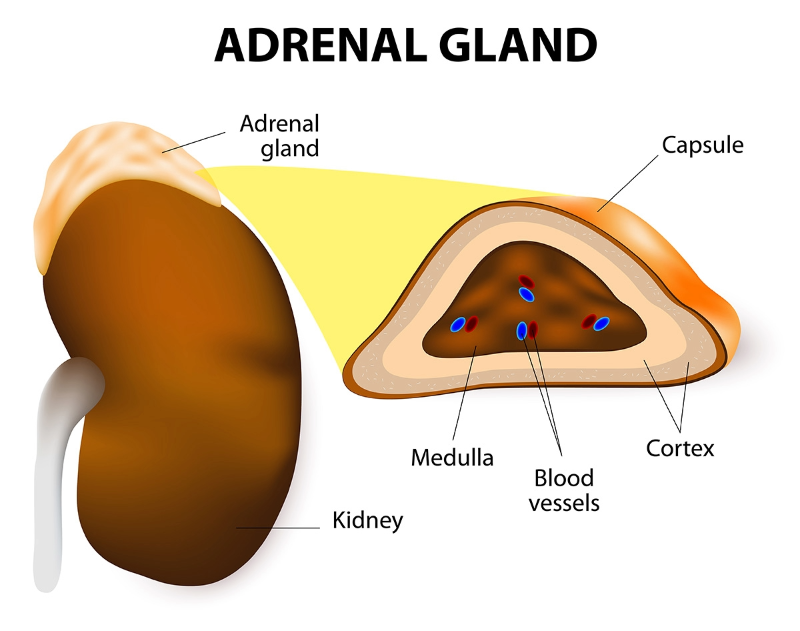
The adrenal glands are vital endocrine glands in the body, located above each kidney. They play a key role in producing hormones that regulate essential processes such as metabolism, blood pressure, stress response, and the immune system. Disorders of the adrenal glands can significantly impact a person’s health and quality of life, making it important to understand their functions, symptoms of disorders, and effective treatment methods.
What are the functions of the adrenal glands?
The adrenal glands produce several essential hormones, including:
- Cortisol: Helps regulate metabolism, control stress, and reduce inflammation.
- Adrenaline and Noradrenaline: Responsible for the body’s emergency response, increasing heart rate and blood pressure.
- Aldosterone: Regulates salt and water balance in the body, thereby controlling blood pressure.
What are the disorders of the adrenal glands?
Common adrenal gland problems include:
- Adrenal insufficiency (Addison’s disease): Occurs when the glands do not produce enough hormones, leading to fatigue, weight loss, and low blood pressure.
- Cushing’s syndrome: Results from excessive cortisol secretion, causing weight gain, high blood pressure, and muscle weakness.
- Adrenal hyperactivity: Leads to disturbances in blood pressure and metabolism.
- Adrenal tumors: Can be benign or malignant, affecting hormone secretion.
What are the symptoms of adrenal gland disorders?
Symptoms vary depending on the type of disorder and may include:
- Persistent fatigue and muscle weakness.
- Weight fluctuations, including unexplained weight gain or loss.
- High or low blood pressure.
- Changes in appetite and mood.
- In severe cases, hormonal imbalances affecting multiple organs.
How are adrenal gland disorders diagnosed?
Diagnosis relies on a combination of tests, such as:
- Blood and urine tests: To evaluate hormone levels.
- Imaging scans (CT/MRI): To detect tumors or abnormalities in the glands.
- Hormone stimulation tests: To determine the gland’s ability to produce hormones normally.
How are adrenal gland disorders treated?
Treatment depends on the type and severity of the disorder:
Medical treatment
- Hormone replacement therapy: To compensate for hormone deficiency in cases of insufficiency.
- Medications to regulate hormone levels: Such as cortisol inhibitors.
- Surgery: To remove tumors or cysts if necessary.
Lifestyle modification and natural support
- Follow a balanced diet.
- Exercise regularly.
- Reduce stress and practice relaxation techniques.
- Monitor blood pressure and blood sugar levels regularly.
What are the Prevention and advice for adrenal gland disease ?
- Regular check-ups when chronic or severe symptoms appear.
- Maintain a healthy and balanced lifestyle.
- Adhere to prescribed treatment and follow-up to prevent complications.
Conclusion
The adrenal glands are among the most important endocrine glands in the body, and their disorders can lead to serious health problems if left untreated. Early recognition of symptoms, accurate diagnosis, and following effective treatment methods can help maintain hormonal balance, overall health, and quality of life.
If you still need to consult a doctor regarding this condition, you can easily book an appointment through Vezeeta
Related Keywords
Specialized Doctors

Amira Gamea
Consultant in general internal medicine, diabetes and gastroenterology at Police Authority Hospitals

Ahmed El Gammal
Consultant of Internal Medicine and Diabetology

Ayman Mahmoud Moustafa
Senior Consultant of Internal medicine
References
Mayo Clinic Staff. Adrenal Gland Disorders. Mayo Clinic.
https://www.mayoclinic.org/diseases-conditions/adrenal-gland-disorders
National Institute of Diabetes and Digestive and Kidney Diseases (NIDDK). Adrenal Glands. National Institutes of Health (NIH).
https://www.niddk.nih.gov/health-information/endocrine-diseases/adrenal-glands
Cleveland Clinic. Adrenal Gland Disorders. Cleveland Clinic.
https://my.clevelandclinic.org/health/diseases/22222-adrenal-gland-disorders
Endocrine Society. Adrenal Disorders Overview.
https://www.endocrine.org/conditions/adrenal-disorders
UpToDate. Overview of adrenal gland disorders.
https://www.uptodate.com/contents/adrenal-gland-disorders
Specialized Doctors
Amira Gamea
Consultant in general internal medicine, diabetes and gastroenterology at Police Authority Hospitals
Ahmed El Gammal
Consultant of Internal Medicine and Diabetology
Ayman Mahmoud Moustafa
Senior Consultant of Internal medicine