A journey to fitness: The gastric balloon — your guide to overcoming obesity
Achieving an ideal weight has become a major challenge for many people due to the abundance of tempting foods that contribute to weight gain. As a result, the demand for various medical interventions has increased, particularly the gastric balloon, which is considered one of the safest solutions to combat excess weight.
Learn more about the types, benefits, risks, procedure steps, and cost of the gastric balloon in Egypt, as well as its available alternatives.
What Is a Gastric Balloon?
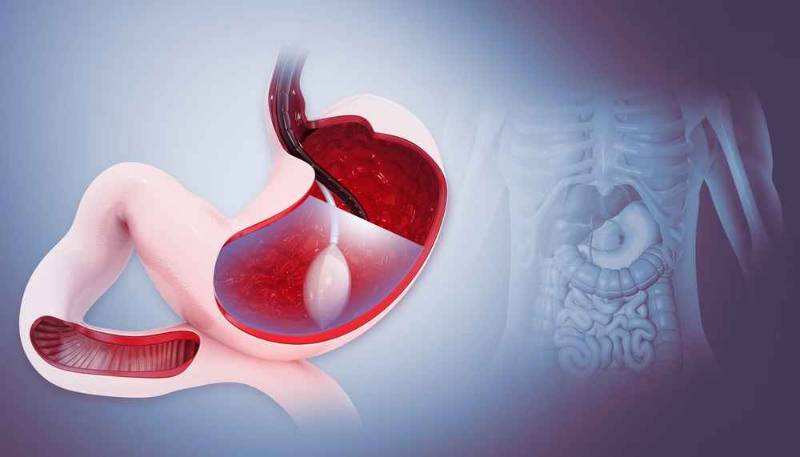
A gastric balloon is a small balloon made of silicone that is inserted into the stomach through the mouth and then filled with either air or saline solution to occupy space in the stomach.
This balloon helps the patient feel full more quickly after eating, which leads to gradual weight loss of about 10–15% over the course of a few months.
Gastric Balloon vs. Sleeve Gastrectomy: Which Is Better?
Sleeve gastrectomy involves surgically removing about 80% of the stomach, leaving a small banana-shaped portion that represents less than 20% of its original volume.
The indications for sleeve gastrectomy differ from those for the gastric balloon. Doctors typically recommend sleeve gastrectomy for severe obesity that cannot be managed with a balloon alone.
In some cases, the gastric balloon can be used as a preliminary option to help patients lose some weight before undergoing sleeve surgery, reducing the risks associated with the procedure.
Key Differences Between Gastric Balloon and Sleeve Gastrectomy:
| FeatureSleeve GastrectomyGastric Balloon | ||
| Type of procedure | Surgical | Non-surgical |
| Procedure duration | ~2 hours | 20–30 minutes |
| Type of anesthesia | General anesthesia | Conscious sedation |
| Effect on stomach | Permanent reshaping | Temporary space occupation |
| Hospital stay | 1–3 days | Not required |
| Recovery period | 4–6 weeks | 3–7 days |
How Much Weight Can You Lose With a Gastric Balloon?
Weight loss varies by individual. Results typically appear within the first five months, with patients losing around 10% of their total weight—equivalent to nearly one-third of their excess weight.
What areTypes of Gastric Balloons?
There are several types of gastric balloons used for weight loss. The choice depends on the patient’s preferences and the physician’s assessment.
1. Orbera Balloon
- One of the most widely used types.
- Inserted using an endoscope.
- Filled with about 550 ml of saline.
- Stays in the stomach for 6 months before removal.
2. Obalon Balloon
- Consists of three small balloons in capsule form, swallowed with water.
- No endoscopy is needed for placement.
- Balloons are inflated with air through a thin tube connected externally.
- Balloons are introduced two weeks apart and remain for 6 months.
3. Spatz3 Adjustable Balloon
- Adjustable size: 400–800 ml.
- Allows volume to be increased after a few months to enhance effectiveness.
- Stays in the stomach for 12 months.
- Still under clinical trials in some countries, including the U.S.
4. Elipse Smart Balloon
- A recent, innovative type.
- Comes as a small capsule swallowed with water—no endoscopy required.
- Connected to a catheter for saline filling, which is then removed.
- Self-deflates after 4 months, and the remains are naturally excreted.
- Includes a digital program for monitoring weight and offering dietary advice.
5. ReShape Duo Balloon
- Made of two balloons filled together with 900 ml total volume.
- Rarely used in recent years.
Are You Eligible for a Gastric Balloon?
You may be a good candidate if:
- Your BMI is between 30 and 40.
- You have not succeeded with diets or weight-loss medications.
- You do not wish to undergo weight-loss surgery.
- You want to lose weight before bariatric surgery to reduce surgical risks.
- You can commit to a healthy lifestyle and medical follow-up.
Who Should Avoid a Gastric Balloon?
The procedure is not suitable for individuals with:
- Liver disease.
- Stomach ulcers.
- Bleeding or clotting disorders.
- Previous gastrointestinal surgery.
- Hiatal hernia.
- Substance abuse problems.
What are Pre-Procedure Preparations?
The physician will explain the pros and cons of the different balloon types and recommend the most suitable option. Preparations include:
- Adhering to a controlled diet to prepare for reduced food intake.
- Quitting smoking for several weeks prior to reduce complication risks.
- Exercising regularly and following the advised fitness plan.
- Taking antacids to prevent acid reflux.
- Consuming only liquids in the days leading up to the procedure.
- Fasting for 8–10 hours before the procedure.
What are Gastric Balloon Procedure Steps?
The procedure takes about 15–30 minutes, with slight variations depending on the balloon type:
- Patient is sedated.
- An endoscope (a small tube with a camera) is inserted through the esophagus into the stomach to inspect for ulcers or issues.
- A thin catheter is guided with the endoscope, and the deflated balloon is attached and inserted.
- The balloon is filled with 650–750 ml of air or 400–700 ml of saline.
- The balloon self-seals, and the catheter and endoscope are removed.
How is the Recovery After Gastric Balloon?
- Patients usually return home the same day, accompanied by a friend or family member.
- Recovery lasts 3–7 days, during which some temporary side effects may occur and can be managed with prescribed medications.
What are Side Effects of the Gastric Balloon?
Common temporary side effects include:
- Nausea.
- Abdominal pain.
- Sore throat.
- Indigestion.
- Constipation.
- Acid reflux.
What are Risks and Complications?
Though generally safe, potential risks include:
- Bowel obstruction if balloon remnants fail to pass through the intestines.
- Stomach ulcers from balloon pressure.
- Esophageal ulcers during insertion/removal.
- Pancreatitis due to pressure on surrounding organs.
What is the Gastric Balloon Cost in Egypt?
The cost of a gastric balloon in Egypt varies based on:
- Type of balloon used.
- Clinic or hospital location.
- Physician’s experience.
- Whether additional interventions are needed.
For example, Elipse capsules are generally more expensive than traditional Orbera or Obalon balloons due to ease of placement and accompanying monitoring programs.
It's advisable to consult your physician to discuss pricing and weigh the advantages of each option to make a decision aligned with your budget and preferences.
What are Alternatives to the Gastric Balloon in Egypt?
Other weight-loss options include:
- Gastric bypass surgery.
- Sleeve gastrectomy.
- Gastric banding.
- Weight-loss diets, such as keto.
- Prescription weight-loss medications.
Final Thoughts
The gastric balloon is undoubtedly an ideal option for those who wish to lose weight without undergoing invasive surgery or enduring extreme diets. It offers a high degree of safety and convenience, making it a great first step on the journey toward better health and a more confident appearance.
If you still need to consult a doctor regarding this condition, you can easily book an appointment through Vezeeta
Related Keywords
Specialized Doctors

khaled samir abu elnasr
Bariatric and Laparoscopic Surgery consultant

Ashraf Abdelkader
Professor and Consultant of General Surgery, Obesity and Oncology, Faculty of Medicine, Benha University.

Hossam Amir
Consultant and Lecturer of General Surgery at the College of Medicine/Consultant in Laparoscopic, Obesity and Oncology Surgery/Fellow of the American College of Surgeons
References
Mayo Clinic – Intragastric balloon for weight loss.
https://www.mayoclinic.org/tests-procedures/intragastric-balloon
Cleveland Clinic – Gastric Balloon: What It Is, Procedure & Risks.
https://my.clevelandclinic.org/health/treatments/22636-gastric-balloon
Johns Hopkins Medicine – Intragastric Balloon Placement for Weight Loss.
https://www.hopkinsmedicine.org/health/treatment-tests-and-therapies/intragastric-balloon-placement-for-weight-loss
American Society for Metabolic and Bariatric Surgery (ASMBS) – Intragastric Balloons.
https://asmbs.org/patients/bariatric-surgery-procedures/intragastric-balloons
U.S. Food and Drug Administration (FDA) – Intragastric Balloon System: Safety and Effectiveness.
https://www.fda.gov/medical-devices/cosmetic-devices/intragastric-balloon-system
National Center for Biotechnology Information (NCBI) – Intragastric Balloon: A Minimally Invasive Treatment for Obesity.
https://www.ncbi.nlm.nih.gov/pmc/articles/PMC6919454/
Specialized Doctors
khaled samir abu elnasr
Bariatric and Laparoscopic Surgery consultant
Ashraf Abdelkader
Professor and Consultant of General Surgery, Obesity and Oncology, Faculty of Medicine, Benha University.
Hossam Amir
Consultant and Lecturer of General Surgery at the College of Medicine/Consultant in Laparoscopic, Obesity and Oncology Surgery/Fellow of the American College of Surgeons