Sciatica
الوصف
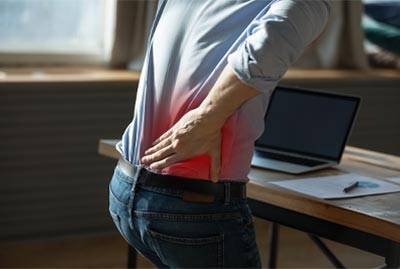
Sciatica is pain that travels along the sciatic nerve. The sciatic nerve runs from your lower back to your feet. The most frequent causes of sciatica are a herniated disc or an expansion of bone pressing against a portion of the nerve. In the affected leg, this results in inflammation, discomfort, and frequently some numbness. Typically, sciatica only affects one leg at a time, but it can affect both legs. Although sciatica pain can be extremely painful, most patients get better with therapy in a few weeks. Surgery might be necessary for people with severe sciatica, significant leg weakness, or bowel or bladder problems. Sciatica is more common in people between the age of 30-50 years.
الأعراض
Common symptoms include:
- Low back pain
- Pain in the affected leg which worsens with sitting
- Hip pain
- Burning down the leg
- Numbness and weakness of the leg
- Difficulty moving the leg or feet
You should visit your general practitioner or your neurologist if:
- Self-care techniques do not help symptoms
- The pain is severe, lasts longer than a week, or worsens
دكاترة مرشحين
عرض المزيدالأسباب
Sciatica develops when the sciatic nerve becomes compressed. Also, there are some factors that increase the risk of developing sciatica:
- Age-related changes in the spine, such as herniated discs
- Being overweight increases pressure on the spine
- A work that involves twisting your back, lifting large objects, or spending a lot of time behind the wheel
- Prolonged sitting
- Diabetes
التشخيص
In addition to the physical examination, your general practitioner or neurologist may order some imaging tests like x-ray, CT scan, MRI, and Electromyography.
العلاج
Sciatica treatment may include:
- Anti-inflammatory medicine like ibuprofen
- Pain relief medicine like paracetamol
- Muscle relaxant like cyclobenzaprine
- Physiotherapy including exercise and massage techniques
- Heat or cold applied to the muscles
- In severe persistent cases, surgery may be recommended to repair the herniated disc
How to prevent sciatica from coming back:
- Stay active and exercise regularly
- Use a safe technique when lifting heavy objects
- Have a good posture while standing or sitting (especially when using a computer)
- Keep your weight within the normal range
- Avoid sitting for a long time
- Avoid smoking