Malignant Pleural Mesothelioma
الوصف
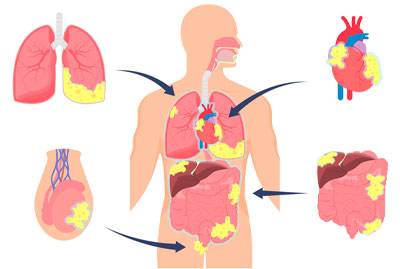
A particular form of cancer known as mesothelioma appears in the lining that protects several organs' external surfaces. Typically, asbestos exposure is the cause.
Although it can attack the lining of the stomach (peritoneal mesothelioma), heart, or testicles, mesothelioma primarily affects the lining of the lungs (pleural mesothelioma).
Malignant pleural mesothelioma is a rare cancer of the pleura (the lining around the lungs). After inhalation of asbestos fibers, they embed in the pleura, causing inflammation and scarring. Over time, the development of mesothelioma tumors starts.
Unfortunately, mesothelioma cannot be cured, however, treatment can help manage the symptoms.
الأعراض
Symptoms of malignant pleural mesothelioma can start to appear after 20-40 years of asbestos exposure. Symptoms may include:
- Chest pain
- Shortness of breath
- Cough
- Fatigue
- Loss of appetite
- Unexplained weight loss
- sweating
دكاترة مرشحين
عرض المزيدالأسباب
Exposure to asbestos, a class of minerals made of tiny fibers that were once widely used in construction, always results in mesothelioma.
These tiny fibers can easily enter the lungs and gradually cause damage to the lungs.
This often doesn't result in any immediate issues, with mesothelioma typically emerging more than 20-40 years following asbestos exposure.
التشخيص
If your general practitioner or chest and respiratory doctor suspect malignant pleural mesothelioma, they will refer you for some tests.
- Chest X-ray
- Chest ultrasound
- CT imaging
- Biopsy (removing a small piece of the affected tissue to examine it under a microscope).
- Fluid drainage (If there is fluid around the lungs, a needle will be inserted through the skin to remove a sample of this fluid to be examined)
- Thoracoscopy
العلاج
Treatment depends on several factors, including where the mesothelioma is located, whether it has spread to other parts of the body, and your general health. Treatment includes:
- Surgery: An operation where doctors remove cancer tissue; limited to patients with early-stage disease and good general health
- Chemotherapy: Using special medicines to shrink or kill cancer cells. The drugs can be in form of pills or intravenous injections, or sometimes both. (Ex: cisplatin, carboplatin)
- Radiation therapy: Using high-energy rays to kill cancer cells.
- Immunotherapy: special medicines that doctors use to help your body’s immune system fight cancer. (Ex: tremelimumab, pembrolizumab)
- Targeted therapy: Using drugs to block the growth and spread of cancer cells. (Ex: bevacizumab)
Diagnosis of mesothelioma is often discovered at a late stage, controlling the symptoms and prolonging life for as long as possible are the main treatment goals; this is known as palliative or supportive care.