Kaposi Sarcoma
الوصف
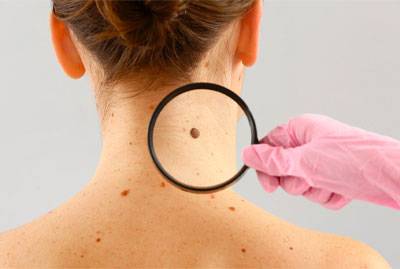
Kaposi's sarcoma is a type of cancer that begins in the lining of blood and lymph vessels. Kaposi sarcoma occurs in patients with immunosuppression, such as those with acquired immunodeficiency syndrome (AIDs) or those undergoing organ transplantation. Kaposi’s sarcoma has four different forms.
Forms of Kaposi sarcoma
- HIV-Related Kaposi sarcoma: Kaposi sarcoma is one of the main cancer types that affect HIV patients. Patients present with many lesions on the limbs, trunk, and face. Mucosal lesions and visceral involvement are common. Patients can also present with tumor-associated edema.
- Classic Kaposi sarcoma: occurs more frequently in men than in women and is more common in middle-aged and elderly people. Regions with high KS-herpesvirus prevalence are more susceptible. Usually affects the lower limbs with few lesions. Visceral and mucosal disease is uncommon and usually occurs in the gastrointestinal tract.
- Transplant-related Kaposi sarcoma: Immunosuppressant medications are prescribed to patients undergoing organ transplants to prevent their immune systems from attacking the donated organ. However, if an immunosuppressed transplant recipient has a KSHV infection already, they have the risk of developing Kaposi sarcoma. Often presents as skin lesions but both mucosal and, rarely, visceral disease can occur. The incidence of KS is ~200- fold higher in recipients of organ transplants than in the general population.
- Endemic (African) Kaposi Sarcoma: Occurs most commonly in Africa. Children frequently have an extremely aggressive history of the disease, involving visceral spread, numerous lymph nodes, and lymphoedema. In adults, lesions on the lower limbs of adults are similar to the classic KS.
الأعراض
- Skin lesions: lesions are pigmented, painless, flat, or raised and don’t lose color with pressure.
- Oral lesions: mostly noted on gum, may lead to secondary infection and dysphagia.
- Lesions inside the body: lung lesions may affect the patient’s breathing and cause a dry cough or cough with blood. Gastrointestinal tract lesions can cause pain and bleeding.
- Lymph nodes: Involvement of lymph nodes, particularly in the groin can be associated with painful swelling in the legs.
دكاترة مرشحين
عرض المزيدالأسباب
Human herpesvirus 8, commonly known as Kaposi sarcoma-associated herpesvirus, is the only known virus that may cause Kaposi sarcoma. It is believed that the virus spreads through sexual activity, by blood or saliva, or when a mother gives birth to her child.
Most persons who have the HHV-8 virus will not go on to develop Kaposi's sarcoma. Only a small percentage of immunocompromised individuals and those with a hereditary susceptibility to the virus appear to develop cancer because of the virus.
التشخيص
A dermatologist will examine your skin, mouth, lymph nodes, and rectum if you show signs of Kaposi sarcoma and you will be referred to a specialized oncologist. Also, one or more of the below diagnostics will be required for proper diagnosis.
- Skin biopsy: small pieces of tissue will be removed from the lesion(s). A pathologist will examine the samples to confirm the presence of Kaposi sarcoma.
- Chest X-ray: As it is common that Kaposi sarcoma spreads to the lungs, a chest X-ray will be requested by your doctor.
- Bronchoscopy: If the chest X-ray shows abnormal lesions, or if you’re coughing up blood or having breathing problems, your doctor may order a bronchoscopy to look at your trachea and airways in more detail.
- Endoscopy: An upper endoscopy and/or colonoscopy may be required if you have blood in the stool, abdominal pain, or anemia.
العلاج
Each type of Kaposi sarcoma is treated with a different approach.
- HIV-Related Kaposi sarcoma
The first line of treatment includes strengthening the immune system; it can be effectively managed by using HIV medicine “Known as combination antiretroviral therapy” which prevents HIV multiplication and help the immune system to recover. Then, the immune system can reduce the HHV-8 levels in the body.
Chemotherapy or interferon may be also needed.
- Classic Kaposi sarcoma:
Immediate treatment is not always needed in this type as this condition does not affect life expectancy.
Follow-up and monitoring and treatment will be recommended in case you have a large and visible affected area of the skin.
Radiotherapy can be used for treating the affected area of the skin.
- Transplant-related Kaposi sarcoma:
People who underwent organ transplantation are given immunosuppressant medicine to prevent their bodies from rejecting the donated organ; this weakens the immune system and allows a previous HHV-8 to multiply again.
Changing or reducing the immunosuppressant medicine could help.
Chemotherapy or radiotherapy may be needed.
- Endemic (African) Kaposi Sarcoma:
It's often caused by an undiagnosed HIV infection, and HIV medicine is the most effective treatment.
Chemotherapy or radiotherapy may be required if an HIV infection is not the source of the illness.